Lindisfarne is a small tidal island off the northeast coast of Britain. A tidal island is land that can be reached on foot at low tide but is surrounded by water at high tide. Lindisfarne became well known in early British history because of its monastery, which was a community where religious people lived, studied, and worked. The monastery played a major role in the spread of Christianity in northern Britain.
The monastery at Lindisfarne was founded in the 600s CE by monks from Iona, a religious center in western Scotland. Monks are religious men who live in a community and follow a set of rules. These monks taught Christianity, a religion based on the teachings of Jesus, to the local Anglo-Saxon people. Anglo-Saxons were groups from northern Europe who settled in Britain after the Romans left. Lindisfarne quickly became an important place for teaching, writing, and artwork.
One of the most famous works from Lindisfarne is the Lindisfarne Gospels. This is an illustrated book of the four gospels from the Bible. It was created by monks using brightly colored designs and careful handwriting. The book shows how skilled the monks were and how they combined art with religious study. It is still studied today as an example of early English art.
Lindisfarne is also known for the Viking raid of 793 CE. Vikings were seafaring warriors from Scandinavia. They attacked the monastery, took valuables, and caused great destruction. This event is often seen as the beginning of the Viking Age in Britain. The raid shocked many people in Europe because monasteries were usually peaceful places of learning and worship. Although the attack was damaging, Lindisfarne remained an important site for many years.
Over time, the monastery was rebuilt and continued its work. New buildings and churches were added as more people came to study or worship. Monasteries like Lindisfarne helped preserve early writing by copying books and keeping records. They also provided care for the poor and travelers. In the later Middle Ages, the original monastery closed, but new religious buildings were built on the island.
Today, Lindisfarne is known for its history, natural beauty, and ruins of the old monastery. Visitors can walk to the island at low tide and explore the remains of the medieval buildings. Lindisfarne Castle, built much later, stands on a hill overlooking the sea. Although the monastery no longer operates, the island’s long history shows its importance in the early development of religion, art, and learning in Britain.
Lindisfarne
Level
readlittle.com
Island monastery of early Britain
What We Can Learn
- Lindisfarne is a tidal island with a famous early monastery.
- Monks on Lindisfarne helped spread Christianity in northern Britain.
- The Lindisfarne Gospels show the island’s skill in art and writing.
- A Viking raid in 793 CE marked a major moment in early British history.
Related Reads
Leif Erikson
Viking explorer of North America
Brendan the Navigator
Early medieval Irish sea voyager

Quakers
Christian group founded in 1600s England
Sack of Constantinople
Crusaders capture Constantinople in 1204
Francis of Assisi
Christian friar and religious leader

Theodosius I
Last ruler of a united Roman Empire
Theodosius II
Eastern Roman emperor of long peace

Protestantism
A major branch of Christianity

Church of England
The national church of England
Reformation
Religious change in sixteenth-century Europe

Martin Luther
German reformer of sixteenth-century Christianity
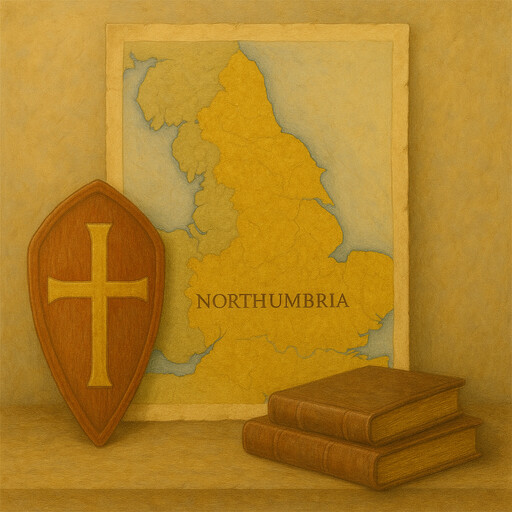
Northumbria
Early Anglo-Saxon kingdom in Britain