Protestantism is one of the main branches of Christianity. It began in Europe in the early 16th century. At that time, most Christians in Western Europe belonged to the Roman Catholic Church. Some people believed that parts of church teaching and practice needed to change. These ideas led to the movement that became known as Protestantism.
The beginning of Protestantism is often linked to Martin Luther, a German monk and teacher. In 1517, he wrote a list of statements called the Ninety-five Theses. These statements criticized certain church practices, especially the sale of indulgences. An indulgence was a church document that promised less punishment for sins. Luther’s ideas spread quickly with the help of the printing press.
Protestant groups shared some common beliefs. Many taught that the Bible is the main source of religious authority. Authority means the power to guide belief and practice. They also taught that faith alone is needed for salvation. Salvation means being saved from sin. These ideas differed from Catholic teaching at the time.
As Protestantism spread, different groups formed. These groups are called denominations. A denomination is an organized branch within a religion. Early Protestant denominations included Lutherans, Calvinists, and Anglicans. John Calvin was another important reformer who influenced Protestant beliefs, especially in Switzerland and France. In England, the Church of England became separate from the Catholic Church during the reign of Henry VIII.
Protestantism spread across Europe and later to other parts of the world. In some places, rulers supported Protestant churches. In other areas, conflicts arose between Catholics and Protestants. These conflicts sometimes led to wars, such as the Thirty Years’ War in the 1600s. Over time, many countries allowed different Christian groups to exist side by side.
Today, Protestantism includes many denominations around the world. These groups may differ in worship style, church organization, and traditions. Some meet in large churches, while others meet in small local buildings. Despite differences, Protestant churches generally trace their history back to the Reformation period of the 1500s, when new ideas about Christianity spread across Europe.
Protestantism
Level
readlittle.com
A major branch of Christianity
What We Can Learn
- Protestantism began in Europe during the 1500s
- It developed from efforts to reform the Catholic Church
- Martin Luther was a key early figure
- Protestantism includes many denominations
Related Reads
Peace of Augsburg
Religious settlement in the Holy Roman Empire
Francis Xavier
Missionary who traveled across Asia
Brendan the Navigator
Early medieval Irish sea voyager
Quakers
Christian group founded in 1600s England
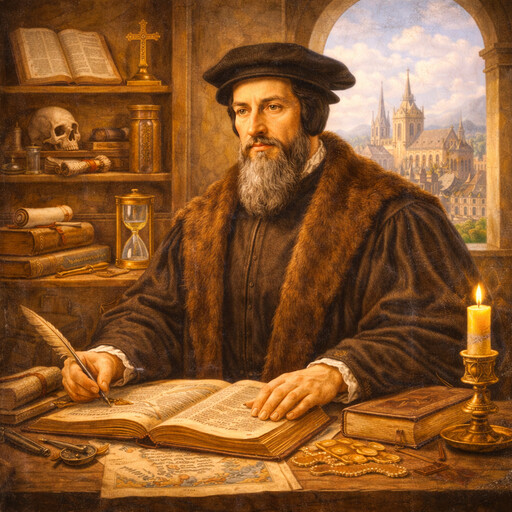
John Calvin
Reformer in sixteenth-century Europe
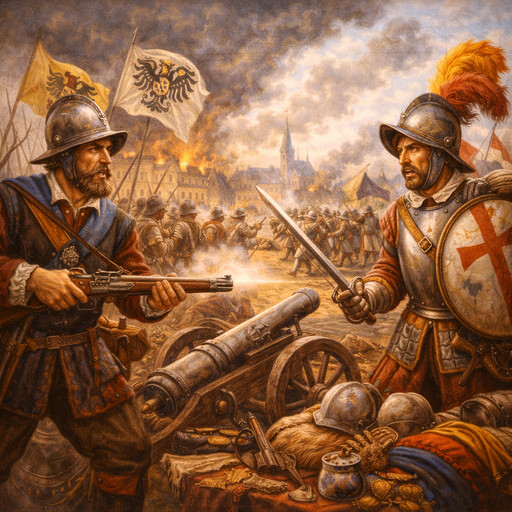
Thirty Years' War
Major European war of the seventeenth century
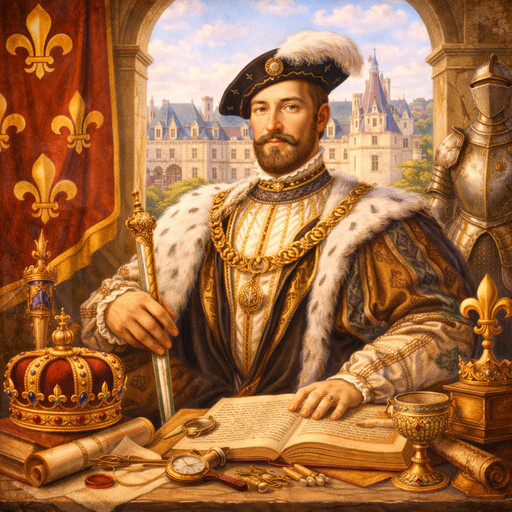
Henry II of France
King of France after Francis I
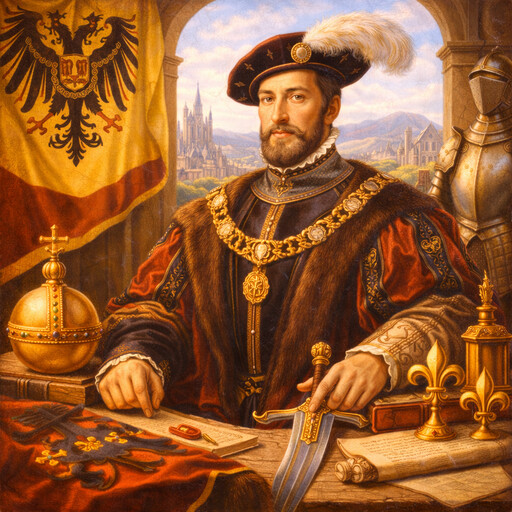
Charles V
Ruler of a vast European empire
Sack of Constantinople
Crusaders capture Constantinople in 1204
Francis of Assisi
Christian friar and religious leader

Ancient Olympic Games
Athletic contests of ancient Greece
Pilgrimage
Religious journey to a sacred place