Martin Luther was a German monk, university teacher, and religious writer who lived in the late fifteenth and early sixteenth centuries. He is closely linked with the beginning of the Protestant Reformation, a period of change within Christianity in Europe. Luther questioned certain practices of the Roman Catholic Church and called for reform. His ideas spread widely through writing and printing, leading to lasting divisions within Western Christianity.
Luther was born on November 10, 1483, in Eisleben, a town in the Holy Roman Empire. He studied law at first, but later became a monk in the Augustinian order. A monk is a man who belongs to a religious community and lives by religious rules. Luther also studied theology, which is the study of religious belief. He became a teacher at the University of Wittenberg, where he lectured on the Bible.
In 1517, Luther prepared a list of statements known as the Ninety-five Theses. These statements criticized the sale of indulgences. An indulgence was a document sold by the church that promised to reduce punishment for sins. Luther argued that forgiveness could not be bought and should come from faith. According to later tradition, he sent or posted the theses to church leaders in Wittenberg. The text was soon printed and shared across Europe.
Luther’s writings brought him into conflict with church authorities. In 1521, he was called before an imperial meeting known as the Diet of Worms. A diet was a formal assembly of rulers. There, Luther was asked to withdraw his writings. He refused unless shown that they were wrong by Scripture or clear reasoning. After this, he was declared an outlaw. An outlaw was a person placed outside the protection of the law.
Luther was protected by Frederick III, Elector of Saxony, who arranged for him to stay in hiding at Wartburg Castle. During this time, Luther translated the New Testament into German. This translation made the Bible more accessible to people who did not know Latin. Luther also wrote hymns and religious books. His ideas formed the basis of Lutheranism, a branch of Protestant Christianity.
Martin Luther married Katharina von Bora, a former nun, in 1525. They had several children and lived in Wittenberg. Luther continued to write and teach until his death on February 18, 1546, in Eisleben. By that time, many regions in northern Europe had adopted forms of Protestant Christianity. Luther’s life and work are closely connected with major religious and political changes in European history.
Martin Luther
Level
readlittle.com
German reformer of sixteenth-century Christianity
What We Can Learn
- Martin Luther lived from 1483 to 1546
- He was a monk and university teacher
- He wrote the Ninety-five Theses in 1517
- His actions helped begin the Protestant Reformation
Related Reads
No image
Vienna
Capital city on the Danube River

Vilnius
Historic capital city of Lithuania
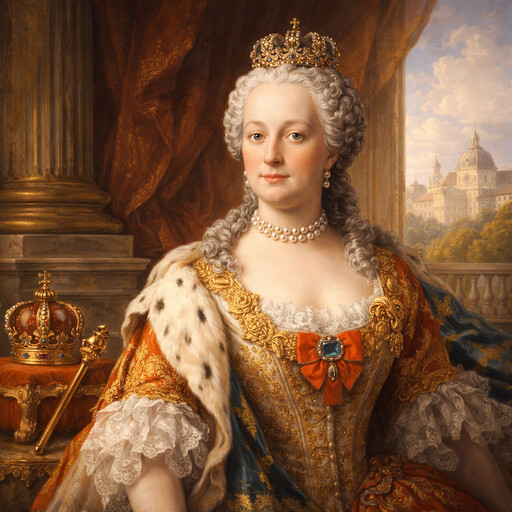
Maria Theresa
Powerful ruler of the Habsburg lands

Revolutions of 1848
Uprisings across Europe in 1848

Molotov–Ribbentrop Pact
Non-aggression agreement before World War II

Munich Agreement
1938 agreement over Czechoslovak territory

Polish–Soviet War
War over borders after World War I
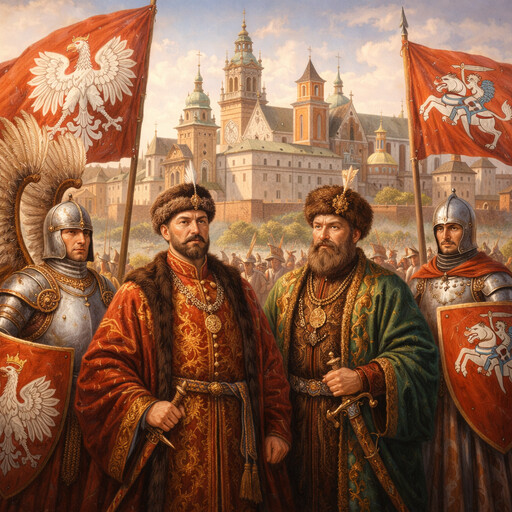
Polish–Lithuanian Commonwealth
A large early modern European state

Fall of the Berlin Wall
End of Germany’s divided barrier
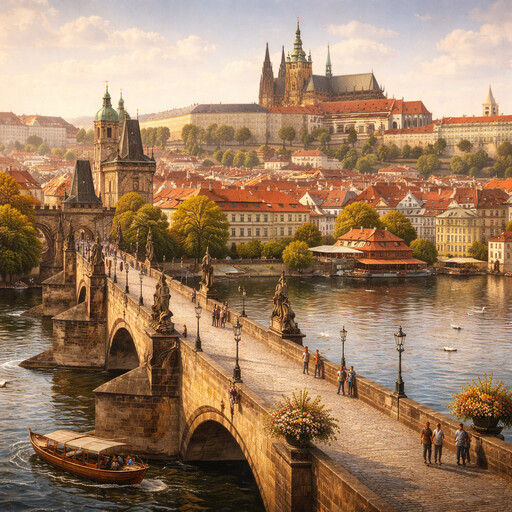
Prague
Historic capital city of the Czech Republic
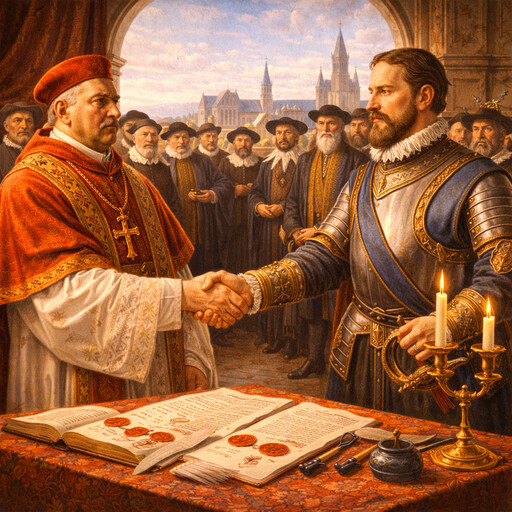
Peace of Westphalia
Treaties ending major European wars
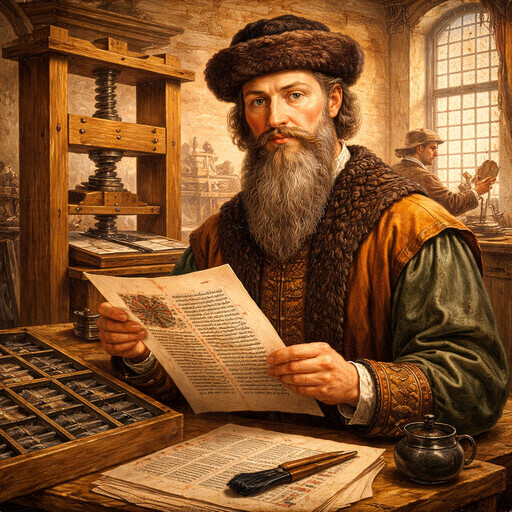
Johannes Gutenberg
Inventor of movable-type printing in Europe