The Reformation was a major movement of religious change in Europe during the sixteenth century. It began as an effort to reform the Roman Catholic Church. Reform means to change something to correct problems. Over time, the movement led to the creation of new Christian groups called Protestant churches. The Reformation changed religion, politics, and society in many European countries.
Before the Reformation, most people in Western Europe belonged to the Roman Catholic Church. The church was led by the pope in Rome and had great influence over daily life. Some church practices caused concern. One issue was the sale of indulgences. An indulgence was a document sold by the church that claimed to reduce punishment for sins. Many people believed this practice was wrong and unfair.
In 1517, a German monk named Martin Luther publicly criticized indulgences. He wrote a list of points called the Ninety-five Theses. These writings questioned church practices and authority. Luther argued that forgiveness came from faith, not from payment. His ideas spread quickly because of the printing press, a machine that allowed books and papers to be made in large numbers.
As Luther’s ideas spread, other reformers appeared in different regions. In Switzerland, Huldrych Zwingli led reforms in Zurich. Later, John Calvin developed ideas that shaped churches in parts of Switzerland, France, and the Netherlands. These reformers did not agree on all beliefs, but they shared opposition to papal authority. Together, their movements became known as Protestantism.
The Reformation also affected governments. Some rulers supported reform to gain control over religion in their lands. In England, the Reformation took a different path. Henry VIII separated the Church of England from the pope in the 1530s. This event is called the English Reformation. The English monarch became the head of the church, instead of the pope.
The Roman Catholic Church responded to the Reformation with its own changes. This response is called the Counter-Reformation. Catholic leaders met at the Council of Trent to clarify beliefs and improve church discipline. By the end of the sixteenth century, Europe was divided into regions that followed either Catholicism or Protestantism. These divisions shaped European history for centuries.
Reformation
Level
readlittle.com
Religious change in sixteenth-century Europe
What We Can Learn
- The Reformation began in the sixteenth century
- It challenged practices of the Roman Catholic Church
- New Protestant churches were formed
- Religion and government were closely affected
Related Reads
No image
Vienna
Capital city on the Danube River

Vilnius
Historic capital city of Lithuania

Molotov–Ribbentrop Pact
Non-aggression agreement before World War II

Revolutions of 1848
Uprisings across Europe in 1848
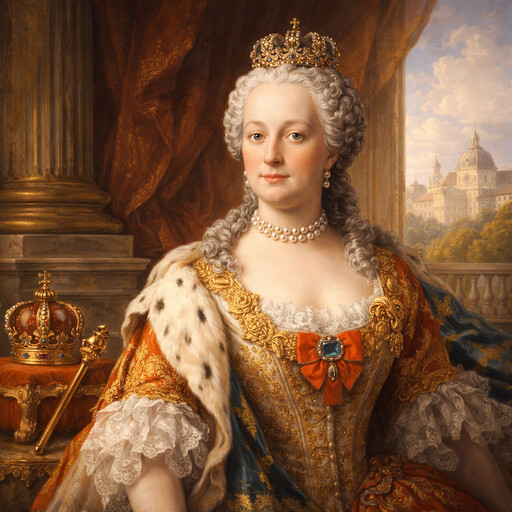
Maria Theresa
Powerful ruler of the Habsburg lands

Munich Agreement
1938 agreement over Czechoslovak territory

Polish–Soviet War
War over borders after World War I
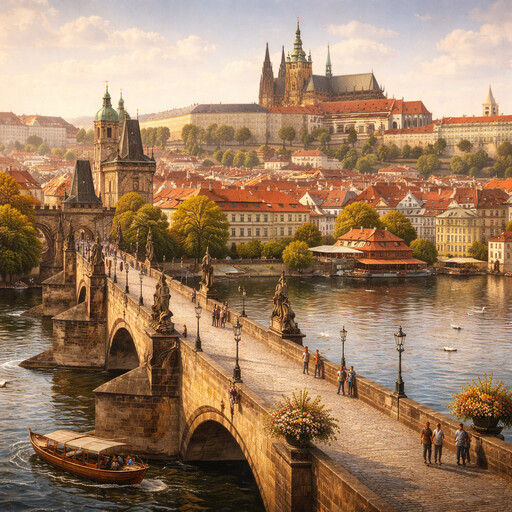
Prague
Historic capital city of the Czech Republic
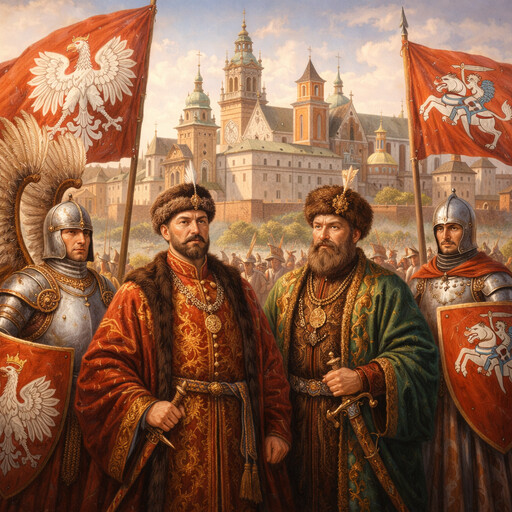
Polish–Lithuanian Commonwealth
A large early modern European state
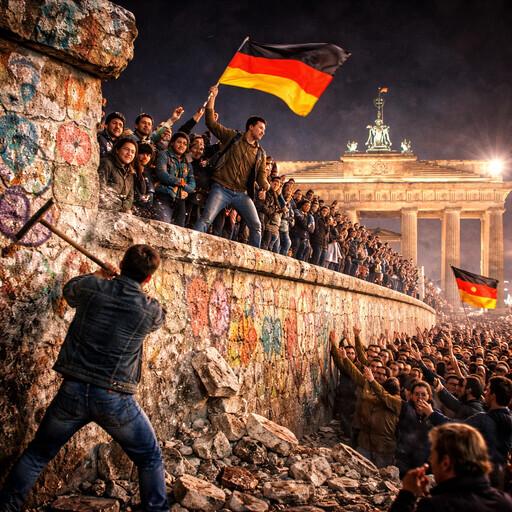
Fall of the Berlin Wall
End of Germany’s divided barrier
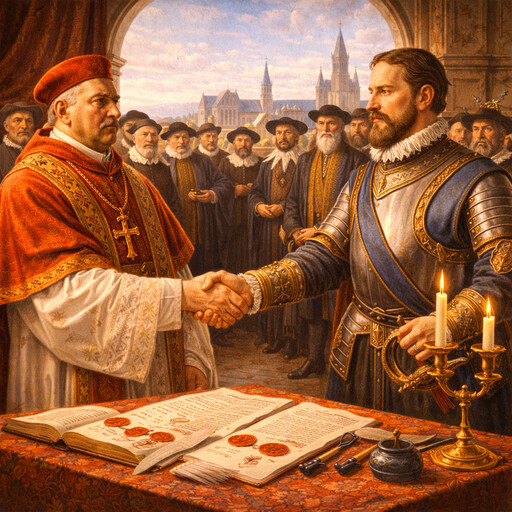
Peace of Westphalia
Treaties ending major European wars
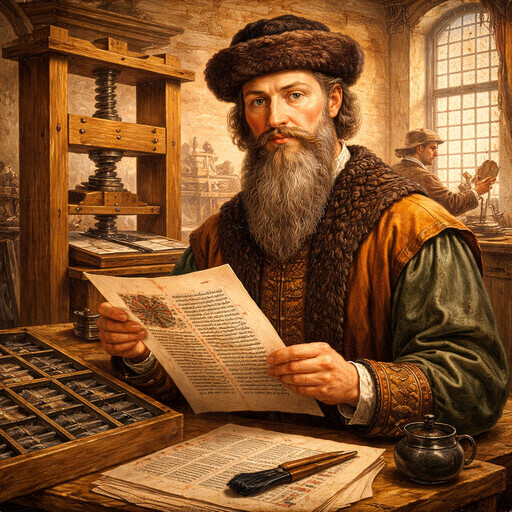
Johannes Gutenberg
Inventor of movable-type printing in Europe