Western Europe is a part of the continent of Europe. It lies to the west of Central and Eastern Europe and to the east of the Atlantic Ocean. The region does not have one single official border. In general use, Western Europe includes countries such as France, Spain, Portugal, Belgium, the Netherlands, Luxembourg, Germany, Austria, Switzerland, the United Kingdom, and Ireland. These countries share many historical and geographic links.
The land in Western Europe is varied. There are mountains, plains, rivers, and long coastlines. The Alps are a large mountain range that stretches across countries like France, Switzerland, Austria, and Germany. Important rivers include the Rhine, the Seine, and the Loire. Rivers helped people travel, trade, and settle in the region. Coastal areas allowed contact with other parts of the world by sea.
The climate of Western Europe is mostly mild. A mild climate means temperatures are not extreme. Winters are often cool rather than very cold, and summers are usually warm but not very hot. The Atlantic Ocean affects the weather, especially in countries like the United Kingdom and Ireland. Rain falls through much of the year, which supports farming and forests.
Western Europe has been home to many important historical events. Ancient peoples such as the Celts and Romans lived in this area. Later, kingdoms and empires formed and changed over time. The Roman Empire ruled much of Western Europe for centuries. After its fall, new kingdoms appeared, including the Frankish Kingdom under Charlemagne. During the Middle Ages, towns, castles, and churches were built across the region.
In later centuries, Western Europe was involved in major global events. Countries such as Spain, Portugal, France, and the United Kingdom explored other parts of the world by sea. This period is often called the Age of Exploration. New trade routes were created, and overseas empires were formed. Industrialization later changed many Western European societies, leading to the growth of cities and factories.
Today, Western Europe includes modern nations with different governments and languages. Many countries work closely together through organizations such as the European Union, although not all Western European countries are members. Large cities like Paris, London, Madrid, and Berlin are centers of population. Western Europe continues to be an important region in Europe because of its location, history, and people.
Western Europe
Level
readlittle.com
Region of countries in western Europe
What We Can Learn
- Western Europe is a region in the western part of Europe.
- It includes countries such as France, Spain, and the United Kingdom.
- The region has varied landforms and a mostly mild climate.
- Western Europe has played a major role in European history.
Related Reads
No image
Vienna
Capital city on the Danube River

Molotov–Ribbentrop Pact
Non-aggression agreement before World War II

Polish–Soviet War
War over borders after World War I

Vilnius
Historic capital city of Lithuania

Munich Agreement
1938 agreement over Czechoslovak territory

Revolutions of 1848
Uprisings across Europe in 1848
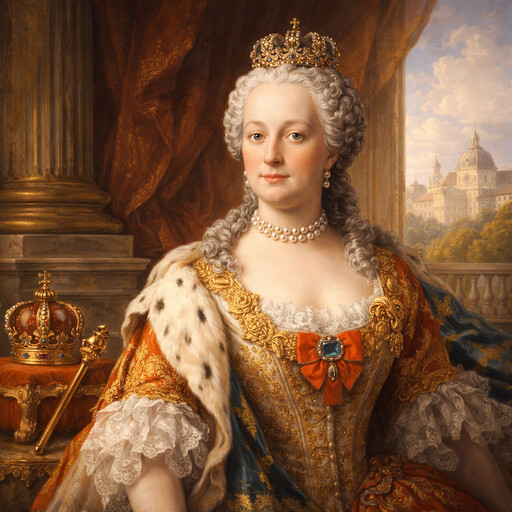
Maria Theresa
Powerful ruler of the Habsburg lands
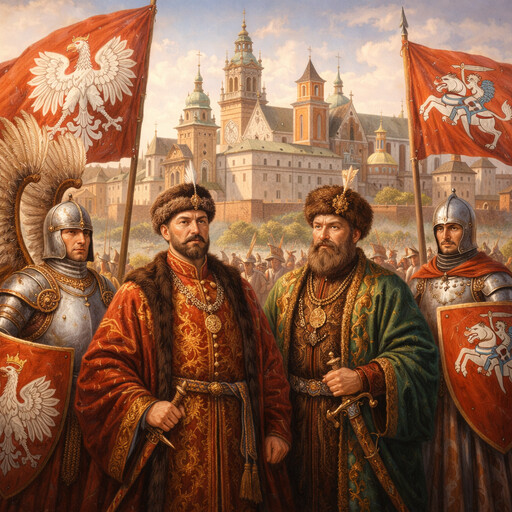
Polish–Lithuanian Commonwealth
A large early modern European state
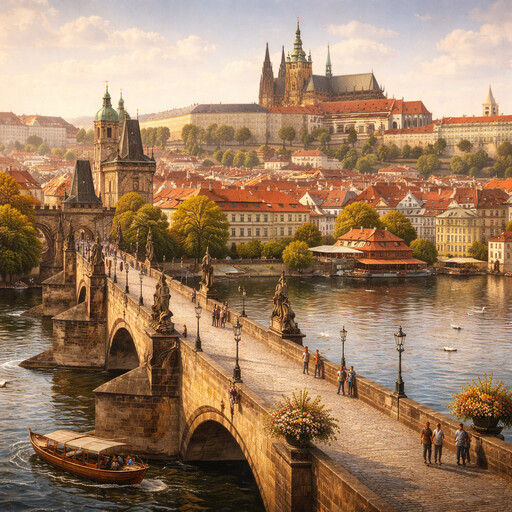
Prague
Historic capital city of the Czech Republic

Fall of the Berlin Wall
End of Germany’s divided barrier
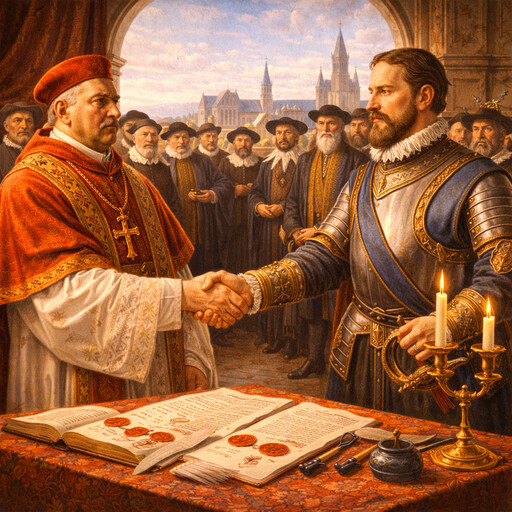
Peace of Westphalia
Treaties ending major European wars

Johannes Gutenberg
Inventor of movable-type printing in Europe