Pilgrimage is a journey that people take for religious reasons. The journey is made to a place that is considered sacred, which means it is treated with special respect in a religion. Pilgrimages have been part of human history for thousands of years. People may travel alone or in groups. The journey itself is an important part of the practice, not only the destination.
Many religions include pilgrimage as a tradition. In Islam, Muslims travel to Mecca for the Hajj, which takes place at a set time each year. In Christianity, pilgrims have traveled to places such as Jerusalem, Rome, and Canterbury. In Judaism, ancient pilgrimages were made to Jerusalem, especially to the Temple. In Buddhism, pilgrims visit places connected to the life of the Buddha, such as Lumbini and Bodh Gaya. Hindu pilgrims travel to rivers, temples, and cities across India.
Pilgrimages can be short or very long. In the past, travel was slow and difficult. Pilgrims often walked for months or even years. They crossed mountains, deserts, and rivers. Many followed known routes that were used again and again. Along these routes, towns and shelters developed to support travelers. Some of these places later became important cities.
During the Middle Ages, pilgrimage was common in Europe. Roads leading to major holy sites became busy with travelers. One well-known route led to Santiago de Compostela in Spain. Pilgrims carried simple belongings and wore special signs to show they were traveling for religious reasons. Travel could be dangerous, but pilgrimage continued because it was an established religious practice.
Pilgrimage also affected culture and trade. As people traveled, they shared ideas, stories, food, and languages. Goods were bought and sold along pilgrimage routes. Artists created buildings, statues, and art at pilgrimage sites. Over time, these places became centers of learning and record keeping.
Today, pilgrimage still continues. Modern transportation allows people to travel faster, but many traditions remain. Large numbers of people still gather at certain times and places. Pilgrimage remains a shared practice across different religions and cultures, connecting movement, belief, and history.
Pilgrimage
Level
readlittle.com
Religious journey to a sacred place
What We Can Learn
- A pilgrimage is a religious journey to a sacred place.
- Many religions practice pilgrimage.
- Pilgrimages shaped travel routes and cities.
- The journey itself is an important part of pilgrimage.
Related Reads
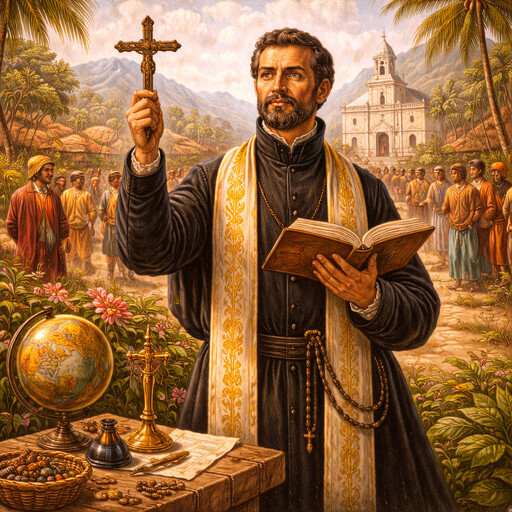
Francis Xavier
Missionary who traveled across Asia

Thirty Years' War
Major European war of the seventeenth century

Henry II of France
King of France after Francis I
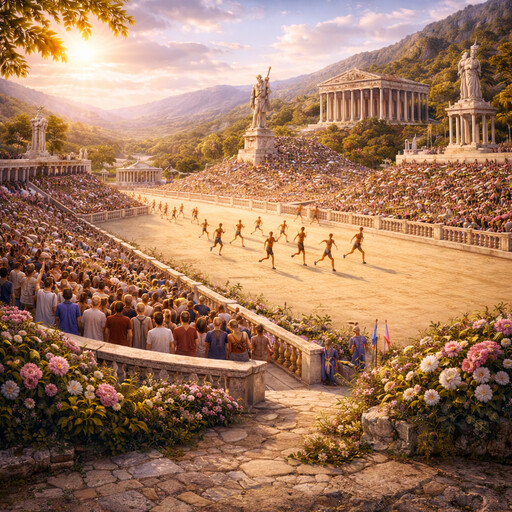
Ancient Olympic Games
Athletic contests of ancient Greece

Protestantism
A major branch of Christianity

Church of England
The national church of England

Henry VIII
Tudor king known for major reforms

English Channel
Sea passage between England and France
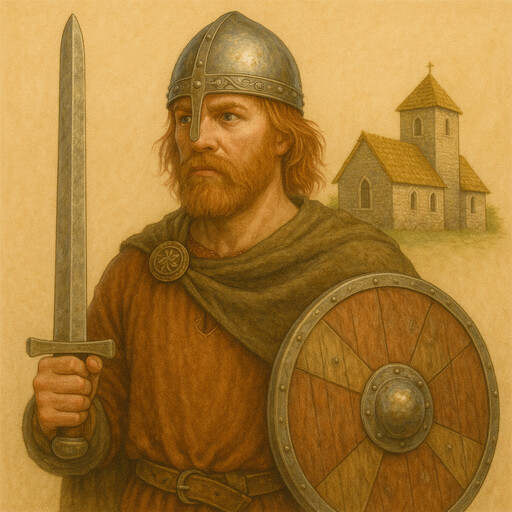
Anglo-Saxons
Early peoples of England
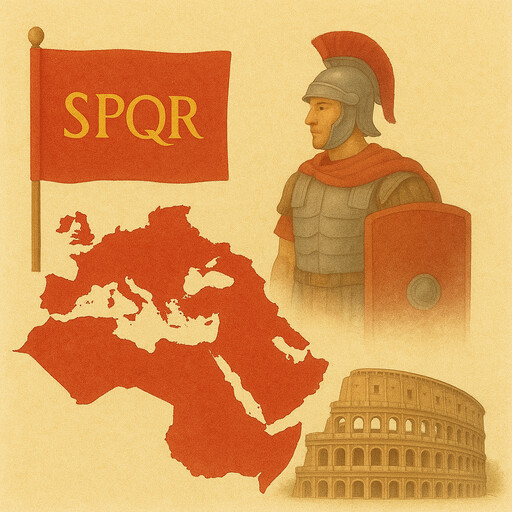
Roman Empire
An ancient empire that shaped Europe and beyond
Byzantine Empire
The eastern empire that preserved Roman traditions
Religion
Belief systems and ways of worship