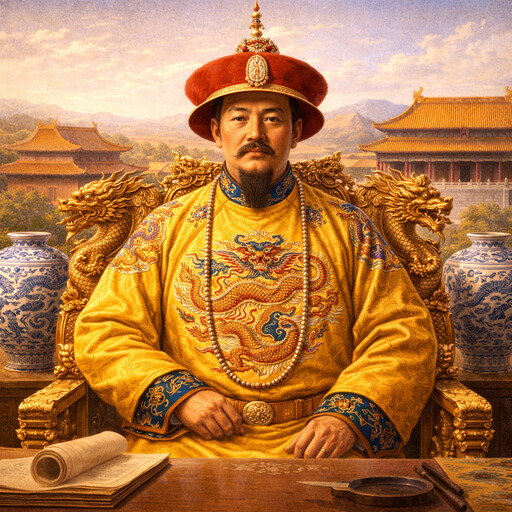
The Qing dynasty was the last imperial dynasty to rule China. It governed from 1644 until 1912, a period of nearly three hundred years. The Qing dynasty was founded by the Manchu, a group of people from northeast Asia. They conquered Beijing in 1644 and replaced the Ming dynasty. From that point, Qing emperors ruled China as an empire with a strong central government.
The Manchu rulers kept many Chinese traditions. They used the Confucian system of government, which was based on education, exams, and respect for authority. Confucianism was a system of ideas about social order and duty. At the same time, the Manchu also kept their own customs. For example, many men were required to wear their hair in a long braid called a queue, which was a symbol of loyalty to the Qing rulers.
During the early Qing period, the empire expanded greatly. Qing armies brought regions such as Taiwan, Tibet, Xinjiang, and Mongolia under imperial control. This made the Qing dynasty one of the largest empires in Chinese history. The population also grew quickly. Farming improved, and new crops such as corn and sweet potatoes were grown in many areas. Cities became larger, and trade increased.
The Qing dynasty had a strong economy in its early and middle years. China produced silk, porcelain, and tea, which were traded with other countries. European merchants arrived by sea and traded at ports such as Guangzhou. However, the Qing government limited foreign contact. Trade was controlled by strict rules, and foreign merchants were allowed to operate only in certain places.
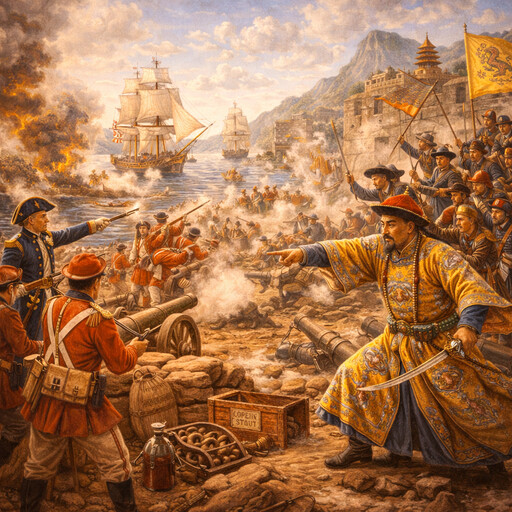
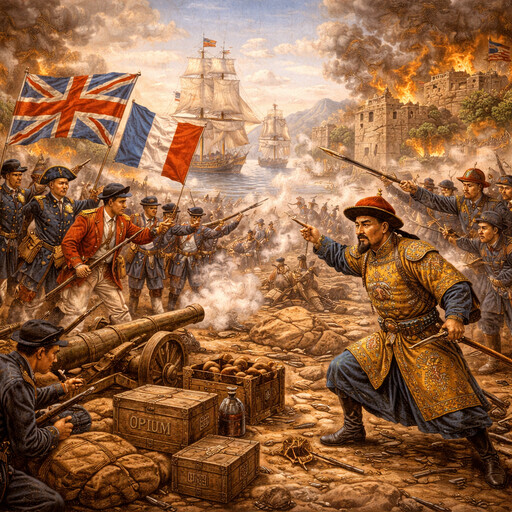
In the nineteenth century, the Qing dynasty faced serious problems. Population growth put pressure on land and food supplies. Corruption increased in government offices. China also faced challenges from foreign powers. Wars such as the Opium Wars weakened Qing control. The Opium Wars were conflicts between China and Britain over trade and laws. As a result, China was forced to sign treaties that reduced its control over trade and territory.
By the early twentieth century, the Qing dynasty was very weak. Rebellions broke out in many regions, including the Taiping Rebellion. Reform efforts failed to stop the decline. In 1911, a revolution began that ended imperial rule. In 1912, the last emperor, Puyi, gave up the throne. This marked the end of the Qing dynasty and the end of imperial rule in China.
Qing dynasty
Level
readlittle.com
Last imperial dynasty of China
What We Can Learn
- Ruled China from 1644 to 1912
- Founded by the Manchu people
- Expanded China to its largest size
- Ended with the fall of imperial rule
Related Reads

Peter the Great
Russian ruler who reshaped his country
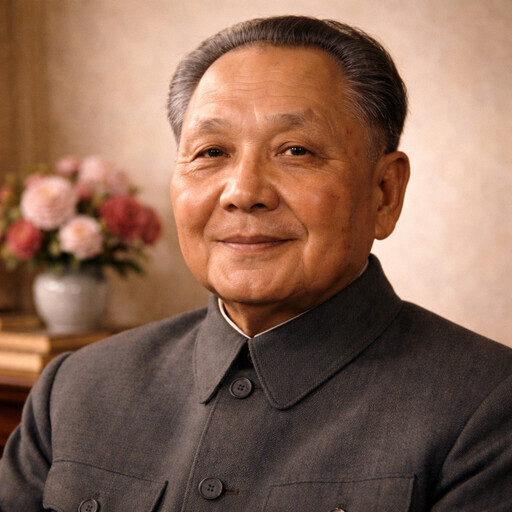
Deng Xiaoping
Chinese leader of reform era
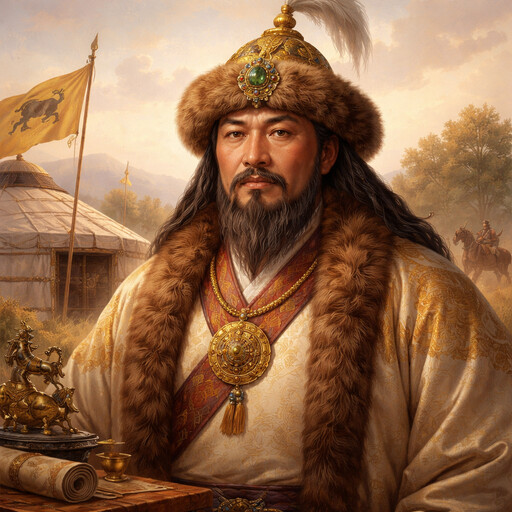
Ögedei Khan
Second ruler of the Mongol Empire
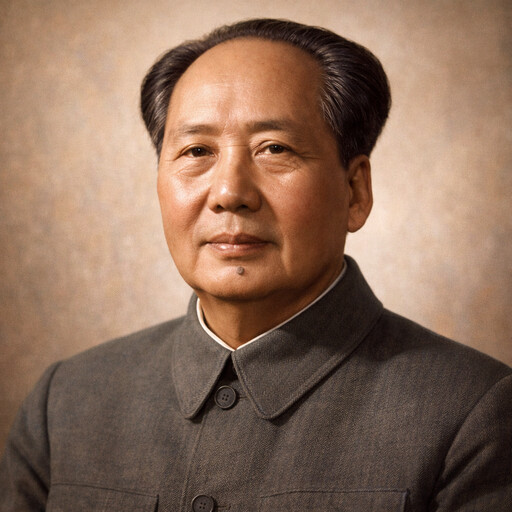
Mao Zedong
Leader of modern Communist China
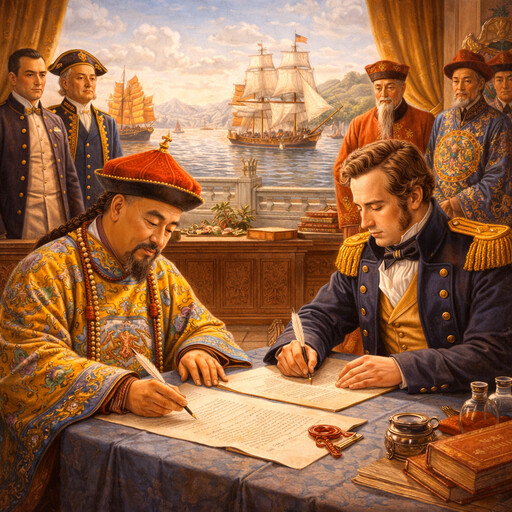
Treaty of Nanking
First unequal treaty between China and Britain
First Opium War
Conflict between Qing China and Britain
Second Opium War
Renewed conflict between China and Western powers
Mughal Empire
Powerful empire in South Asia
Ming dynasty
Chinese dynasty from 1368 to 1644
Matteo Ricci
European scholar in Ming China
Aztecs
A powerful civilization of ancient Mexico
Zheng He
Admiral who led great ocean voyages