The Mughal Empire was a major empire that ruled large parts of South Asia for more than three hundred years. It existed from 1526 until the mid-1800s. At its height, the empire controlled much of what is now India, Pakistan, Bangladesh, and Afghanistan. The Mughal rulers were emperors who governed from rich capitals and ruled over many different peoples. The empire is remembered for its strong government, large armies, and famous buildings. Its influence shaped politics, culture, and daily life in the region for centuries.
The Mughal Empire was founded by Babur in 1526. Babur was a ruler from Central Asia and a descendant of both Timur and Genghis Khan. He led an army into northern India and defeated the Delhi Sultanate at the Battle of Panipat. A sultanate is a state ruled by a sultan. After this victory, Babur established Mughal rule. Although his reign was short, he laid the foundation for future rulers. His son Humayun struggled to keep control, but the empire survived and later grew stronger.
The Mughal Empire expanded greatly under Emperor Akbar, who ruled from 1556 to 1605. Akbar organized a strong central government and built a large army. He divided the empire into provinces, each managed by officials. Akbar encouraged cooperation among people of different religions. He allowed local customs and supported art and learning. The empire became stable and wealthy during his reign. Later emperors, including Jahangir and Shah Jahan, continued to rule over a growing and organized state.
Shah Jahan is known for major building projects. He ordered the construction of the Taj Mahal, a large white marble tomb built in memory of his wife Mumtaz Mahal. Marble is a hard stone used in fine buildings. The Mughal style of architecture combined Persian, Indian, and Islamic designs. Cities such as Agra and Delhi became centers of government and culture. Trade also increased, with goods such as textiles, spices, and precious stones moving through markets. Mughal courts supported painters, poets, and craftsmen.
The later Mughal period was marked by change and conflict. Emperor Aurangzeb ruled from 1658 to 1707 and expanded the empire to its greatest size. However, long wars and heavy taxes weakened the state. After Aurangzeb’s death, central control declined. Regional rulers gained more power, and the empire became less united. European trading companies, especially the British East India Company, increased their influence. Over time, the Mughal emperors lost real authority.
The Mughal Empire formally ended in 1858. This followed a major uprising against British rule, after which the British removed the last Mughal emperor, Bahadur Shah Zafar. The empire no longer governed land, but its cultural and architectural influence remained. Mughal buildings, art styles, and city plans continued to shape South Asia. The Mughal period is recognized as a long era of imperial rule that connected Central Asian traditions with South Asian history.
Mughal Empire
Level
readlittle.com
Powerful empire in South Asia
What We Can Learn
- The Mughal Empire ruled much of South Asia for over 300 years
- It was founded by Babur in 1526
- The empire grew strong under rulers like Akbar and Shah Jahan
- Mughal rule ended in 1858 under British control
Related Reads

Peter the Great
Russian ruler who reshaped his country
Ögedei Khan
Second ruler of the Mongol Empire
Qing dynasty
Last imperial dynasty of China
Constantine XI Palaiologos
Last emperor of the Byzantine Empire
White House
Home and office of U.S. presidents
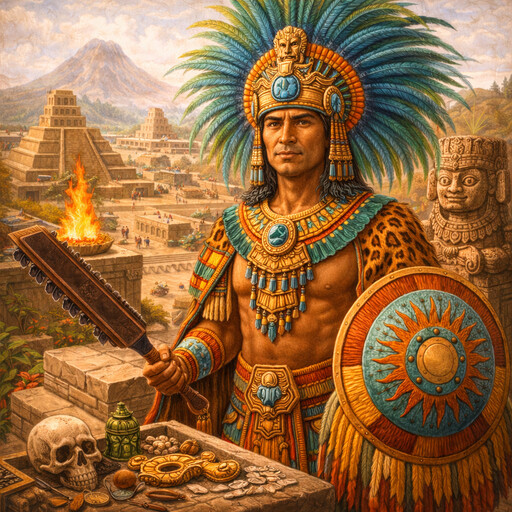
Aztecs
A powerful civilization of ancient Mexico
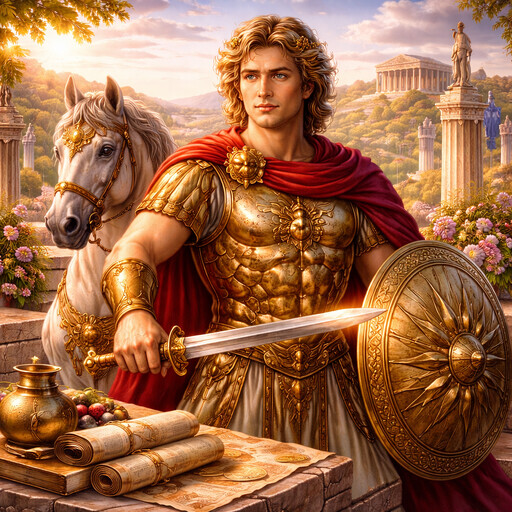
Alexander the Great
King and conqueror of the ancient world
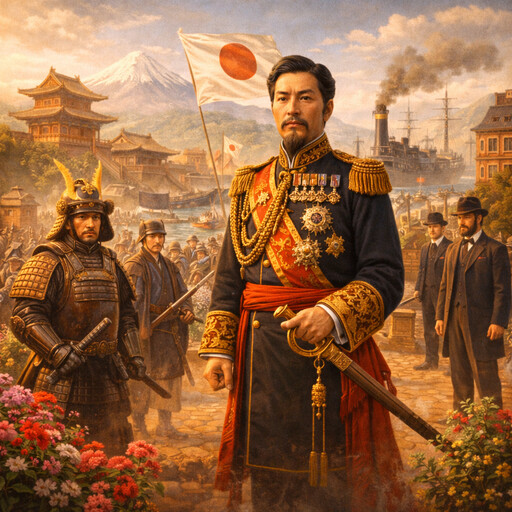
Meiji Restoration
Return of imperial rule in Japan
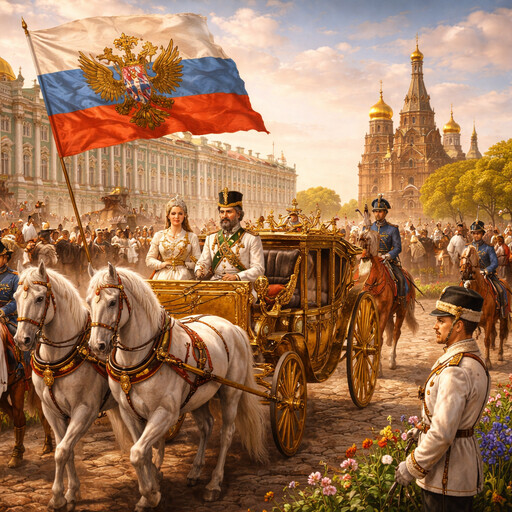
Russian Empire
Large empire ruled by Russian monarchs
Empire of Japan
Japan as an imperial state
German Empire
Unified German state from 1871

Napoleon III
Emperor of France in the 1800s