The Russian Empire was a large empire that existed from 1721 until 1917. An empire is a state that controls many lands and peoples under one ruler. The Russian Empire was ruled by emperors, often called tsars, which is a title meaning ruler or king. At its height, the empire was one of the largest states in the world by land area. It stretched from Eastern Europe across northern Asia and reached parts of North America.
The Russian Empire officially began in 1721. This was when Peter the Great declared Russia an empire after victory in a major war. Peter the Great ruled from 1682 to 1725. He introduced many changes to the government, army, and society. He also founded the city of Saint Petersburg, which became the new capital. A capital is the main city where a government is based. Saint Petersburg was designed to connect Russia more closely with Europe.
The empire expanded over time through war, treaties, and exploration. Russian rulers gained control of Siberia, a large region in northern Asia. Siberia is known for its cold climate and vast forests. The empire also included lands in the Caucasus, Central Asia, and eastern Europe. For a short time, it even controlled Alaska in North America. These lands were home to many different ethnic groups, languages, and religions.
The Russian Empire was ruled by a strong central government. The tsar held most political power. The government relied on officials, soldiers, and local rulers to control the empire. Many people in the empire were peasants. Peasants are farmers who work the land. Until 1861, many peasants were serfs. A serf was a worker who was legally tied to land owned by a noble. In 1861, Tsar Alexander II ended serfdom, meaning serfs were legally freed.
Life in the Russian Empire was very different depending on where people lived. Cities like Moscow and Saint Petersburg were centers of trade, culture, and government. Rural areas were often poor and depended on farming. The empire included many religions, including Russian Orthodox Christianity, Islam, Judaism, and Buddhism. The Russian Orthodox Church played an important role in state life and was closely linked to the tsar.
The Russian Empire came to an end in 1917. During World War I, the empire faced military defeats, food shortages, and unrest among the population. Unrest means anger and dissatisfaction among people. In 1917, a revolution took place, and Tsar Nicholas II gave up his throne. This ended the rule of the tsars. After a period of conflict, a new state called the Soviet Union was formed, replacing the Russian Empire.
Russian Empire
Level
readlittle.com
Large empire ruled by Russian monarchs
What We Can Learn
- The Russian Empire existed from 1721 to 1917.
- It was ruled by emperors known as tsars.
- The empire covered large parts of Europe and Asia.
- It ended after revolution during World War I.
Related Reads
No image
Vienna
Capital city on the Danube River

Vilnius
Historic capital city of Lithuania

Molotov–Ribbentrop Pact
Non-aggression agreement before World War II

Polish–Soviet War
War over borders after World War I

Ivan III
Founder of a unified Russian state

Revolutions of 1848
Uprisings across Europe in 1848
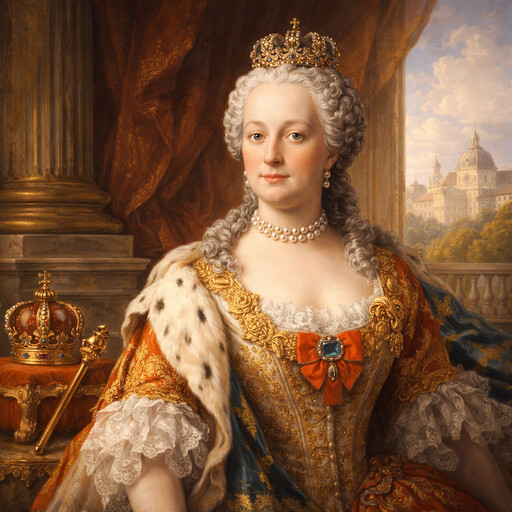
Maria Theresa
Powerful ruler of the Habsburg lands

Munich Agreement
1938 agreement over Czechoslovak territory

Peter the Great
Russian ruler who reshaped his country
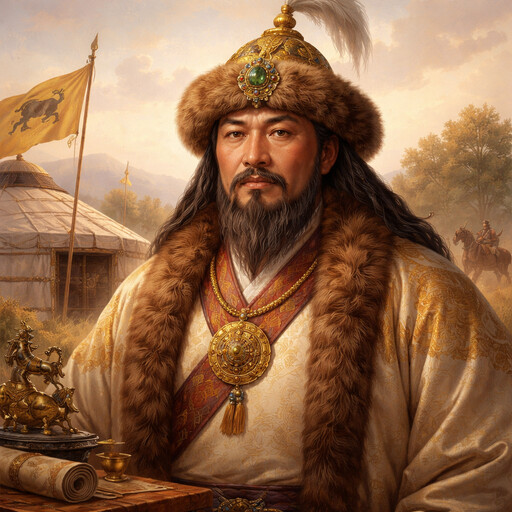
Ögedei Khan
Second ruler of the Mongol Empire
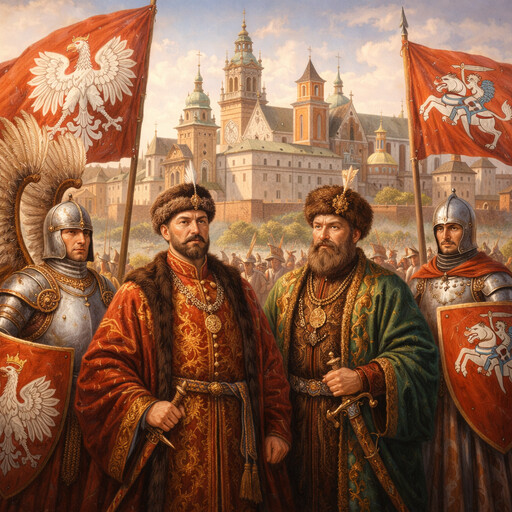
Polish–Lithuanian Commonwealth
A large early modern European state
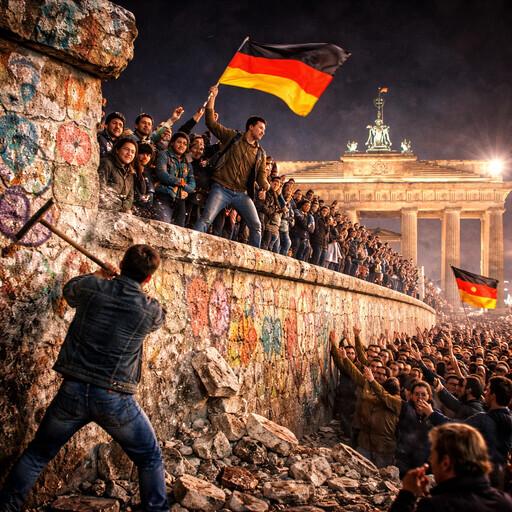
Fall of the Berlin Wall
End of Germany’s divided barrier