Seashell is the protective exoskeleton produced by mollusks—animals like snails, clams, oysters, and scallops. Made mostly of calcium carbonate, shells grow layer by layer as the mollusk secretes minerals from a specialized tissue called the mantle. Shell shapes vary from spiral cones to smooth fans, each adapted to the animal's lifestyle.
Gastropods (snails) carry single coiled shells they can retreat into when predators approach or tides recede. Bivalves such as clams and mussels have two hinged halves that close tightly for defense. Some mollusks, like squids and nudibranchs, have reduced internal shells or none at all.
Shell color and pattern come from pigments laid down during growth. Bands, spots, and ridges may help camouflage the animal or strengthen the shell. As the mollusk grows, the shell expands outward from the opening, leaving growth lines similar to tree rings.
After the mollusk dies, empty seashells often wash onto beaches. Collectors and scientists study them to learn about biodiversity, water quality, and ancient trade. Archaeologists find shell jewelry and tools at historical sites, showing how people have valued shells for thousands of years.
Healthy shell populations depend on clean, balanced oceans. Acidifying waters dissolve calcium carbonate, making it harder for mollusks to build strong shells. Conservation efforts include reducing pollution, protecting seagrass beds and reefs where young mollusks grow, and monitoring shells for signs of changing ocean chemistry.
Seashell
Level
readlittle.com
Hard homes left by marine mollusks
What We Can Learn
- Seashells are calcium carbonate structures built by mollusks
- Shell shapes and colors reflect the animal's lifestyle and growth
- Empty shells teach scientists about biodiversity and history
- Ocean acidification and pollution threaten shell-forming species
Related Reads

Johann Gottfried Herder
German thinker of culture and language
No image
Monarchy
Government ruled by a royal family
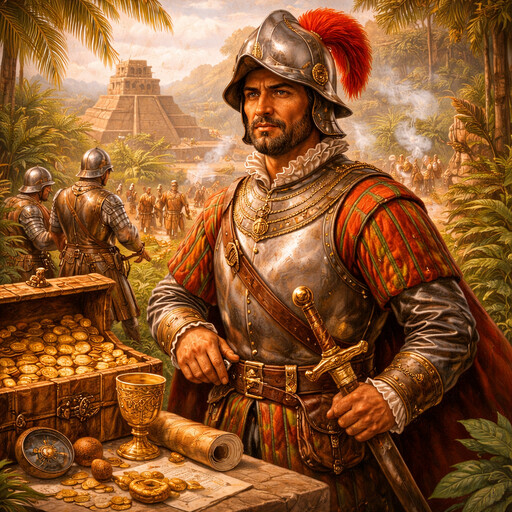
Conquistador
Spanish explorers and soldiers of empire
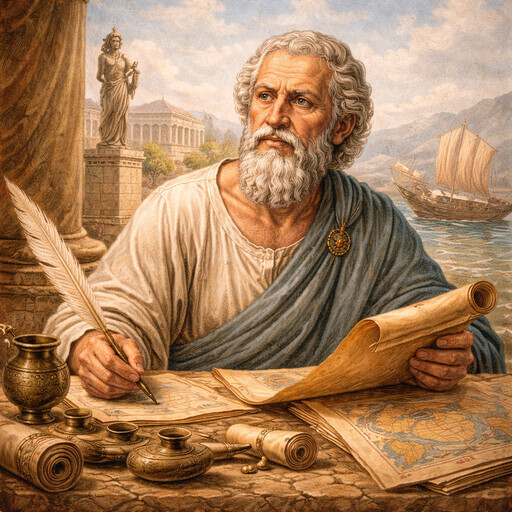
Herodotus
Ancient Greek writer of early history
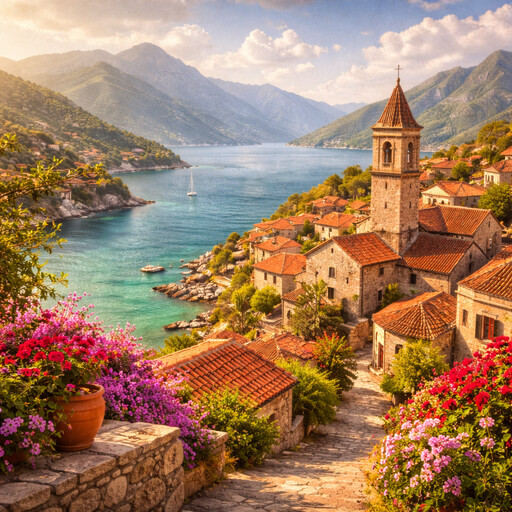
Balkans
Southeastern European region

La Marseillaise
National anthem of France
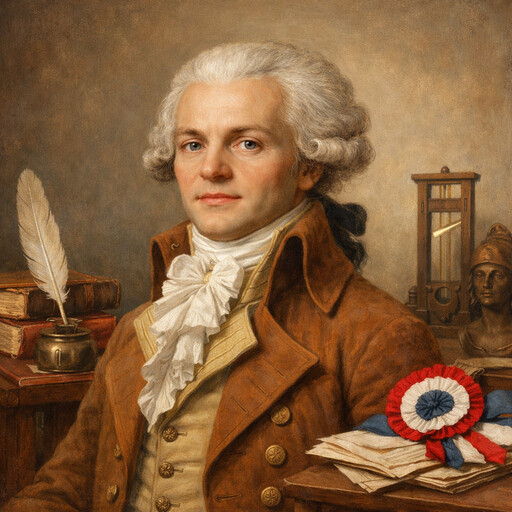
Maximilien Robespierre
Leader during the French Revolution
Napoleon
French general and emperor
Voltaire
French writer of the Enlightenment
David Hume
Scottish philosopher and historian
John Locke
Thinker who wrote about mind and government
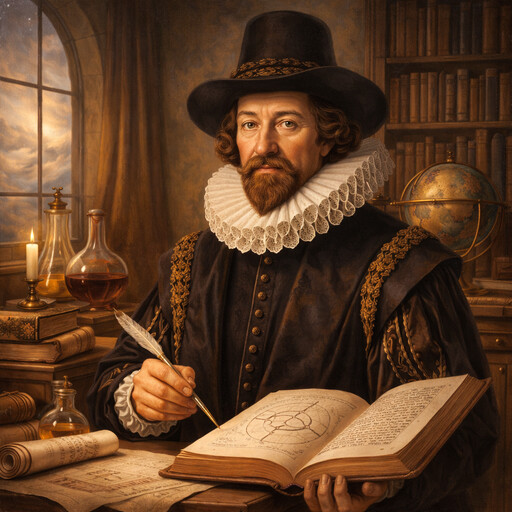
Francis Bacon
Thinker who shaped modern scientific method