Tayras belong to the weasel family and resemble lanky otters with bushy tails. Adults measure nearly a meter from nose to tail tip and have glossy dark fur with a pale throat patch. Their distribution spans from southern Mexico through the Amazon Basin into northern Argentina. Tayras thrive in primary rainforest, secondary growth, agricultural mosaics, and even near villages, where they patrol for rodents raiding crops.
Agile bodies and sharp claws make tayras excellent climbers. They scramble up tree trunks to raid bird nests, harvest fruit, or pursue squirrels. On the ground they gallop with long, loping strides, covering large territories each night. Keen noses help them locate agoutis, iguanas, or insects hidden under logs. Tayras are also known to steal honeycomb, tolerating stings thanks to thick fur.
Diets change with the seasons. During fruiting peaks, tayras gather bunches of plantains or guavas, sometimes caching green fruit in hidden piles to ripen. When meat is abundant, they switch to hunting. Females give birth in tree cavities or hollow termite mounds after a gestation of about two months, usually raising two or three kits. Youngsters learn to climb and stalk by shadowing their mother for nearly a year.
Although tayras adapt well, they still face threats from habitat loss and retaliation from farmers who believe the animals steal poultry. Roadkill is an increasing concern as highways expand into forest edges. Conservation responses include promoting forest corridors, teaching farmers to secure chicken coops, and recognizing tayras as natural pest controllers that limit rodent damage. Camera-trap surveys continue to reveal how often these shy carnivores visit restored forest patches.
Tayra
Level
readlittle.com
Restless hunters of the Neotropics
What We Can Learn
- Tayras are mustelids with sleek bodies, strong claws, and wide ranges.
- They climb trees, gallop on the ground, and eat fruit, honey, and prey.
- Mothers raise two or three kits in tree hollows or termite mounds.
- Corridors, poultry protection, and forest restoration reduce human conflict for tayras.
Related Reads
Natural selection
How living things change over time
Gorilla
Forest gardeners with gentle strength
Chimpanzee
Inventive problem-solvers of African forests
Gelada
Grass-eating monkeys of the highlands
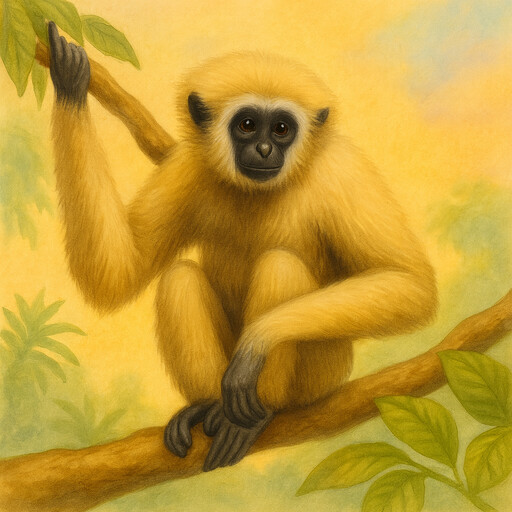
Gibbon
Singing acrobats of the canopy
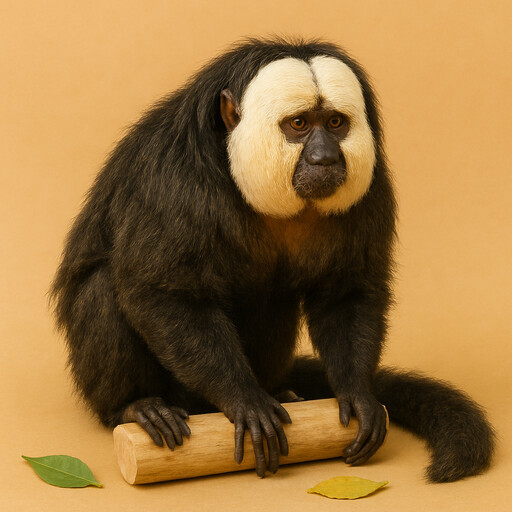
Saki
Shaggy-tailed seed eaters
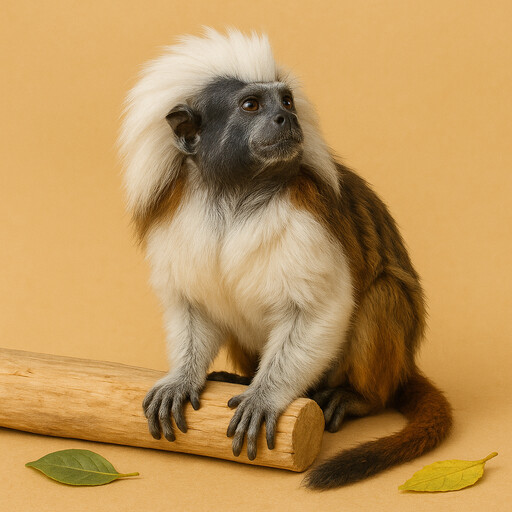
Tamarin
Tiny monkeys with bold mustaches
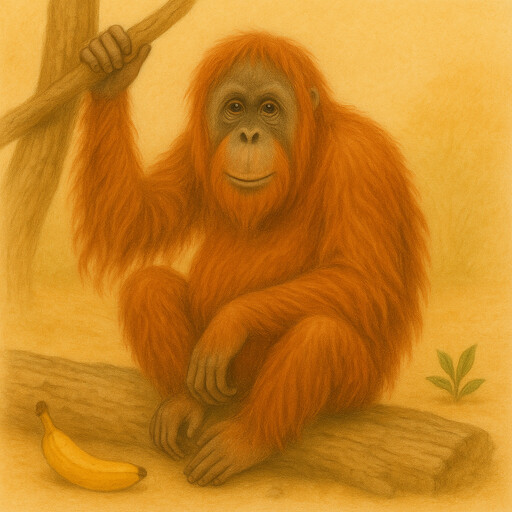
Orangutan
Solitary engineers of the canopy
Mongoose
Quick hunters with shared dens
Baboon
Savanna troubleshooters
Pygmy marmoset
Thumb-sized sap specialist
Ape
Tailless primates with flexible minds