Howler monkeys live from southern Mexico to northern Argentina, occupying rainforests, gallery forests, and cloud forests. They are among the largest New World monkeys, with males weighing up to 10 kilograms. A distinctive beard and enlarged hyoid bone in the throat act as a resonating chamber, allowing their howls to travel across valleys. Black, mantled, red, and brown howlers each show different coat colors adapted to their habitats.
Howlers spend much of the day high in the canopy eating leaves, tender shoots, and seasonal fruit. Because leaves can be tough and low in nutrients, howlers rest for long periods to digest slowly. Specialized molars grind fibrous food, and a multi-chambered gut ferments cellulose. Prehensile tails wrap around branches like extra hands, helping the monkeys stabilize while reaching for distant leaves.
Social groups typically include 10 to 20 individuals led by a dominant male. Dawn choruses advertise territory boundaries and warn neighboring troops to keep their distance. Vocal battles often replace physical fights, conserving energy. Grooming and play maintain social bonds among females and juveniles. Infants cling to their mother’s belly for a few weeks before riding on her back; fathers sometimes carry older young during group travel.
Habitat destruction, hunting, and yellow fever outbreaks threaten some howler species. Power lines fragment forests and cause electrocutions when monkeys use them as bridges. Conservation projects install wildlife rope crossings, vaccinate vulnerable populations, and preserve riparian forest strips that serve as travel corridors. Tourism groups that respect quiet observation can help fund canopy research stations and tree-planting programs.
Howler monkey
Level
readlittle.com
Rainforest alarm bells
What We Can Learn
- Howler monkeys are loud primates with resonating throat bones.
- Leaf-focused diets require strong jaws, complex stomachs, and long rest periods.
- Social groups defend territories with howls instead of constant fighting.
- Forest corridors, vaccinations, and safe crossings reduce human-caused losses.
Related Reads
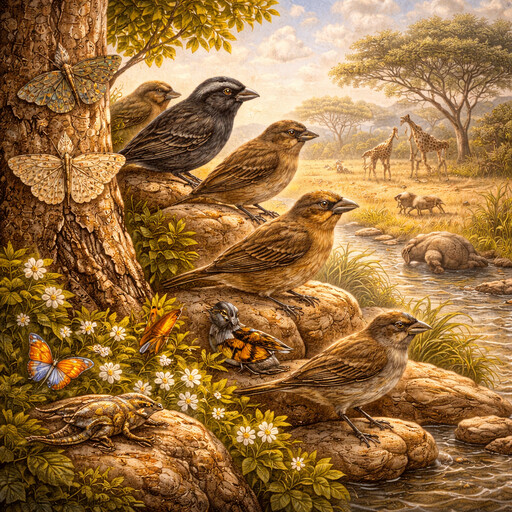
Natural selection
How living things change over time

Internet
Global network connecting computers worldwide

Smartphone
Mobile phone with advanced computing features
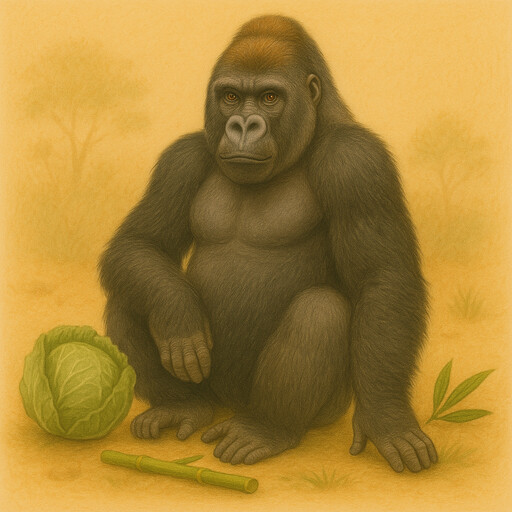
Gorilla
Forest gardeners with gentle strength
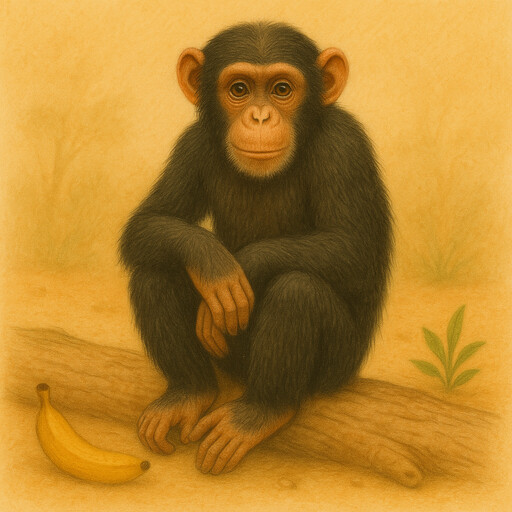
Chimpanzee
Inventive problem-solvers of African forests
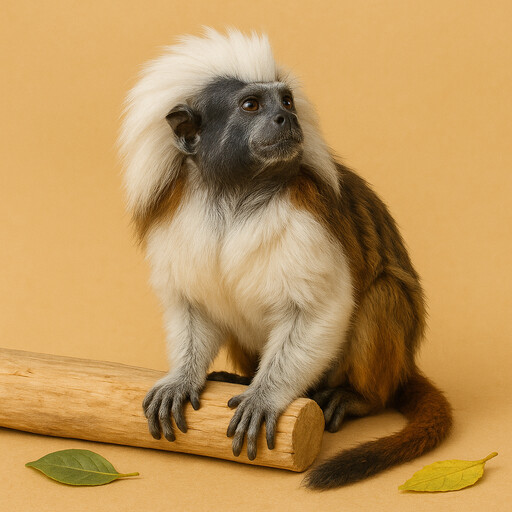
Tamarin
Tiny monkeys with bold mustaches
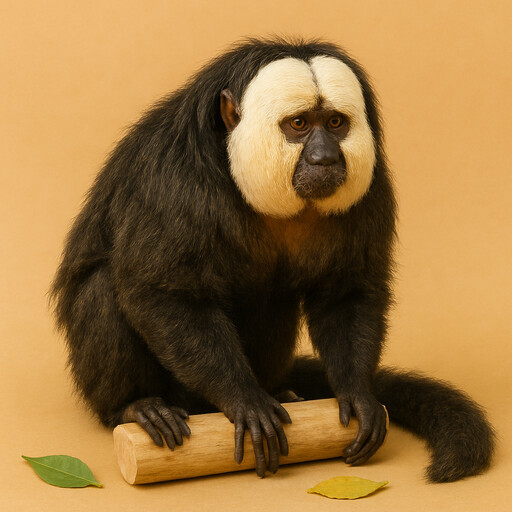
Saki
Shaggy-tailed seed eaters
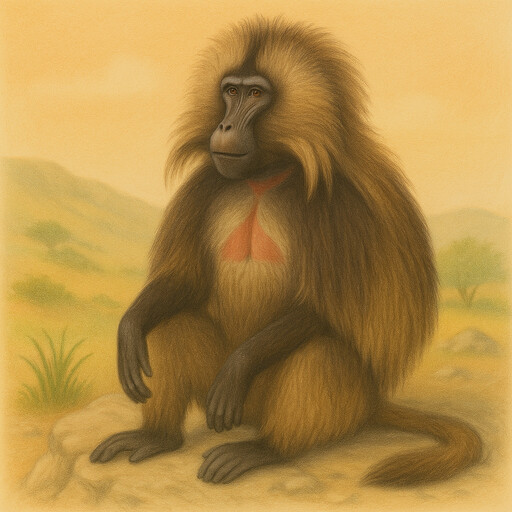
Gelada
Grass-eating monkeys of the highlands
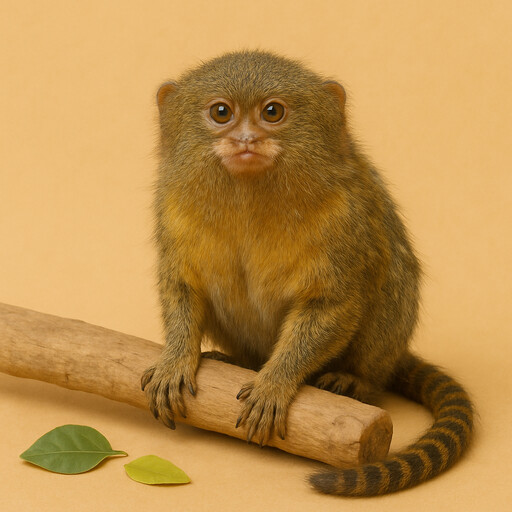
Pygmy marmoset
Thumb-sized sap specialist
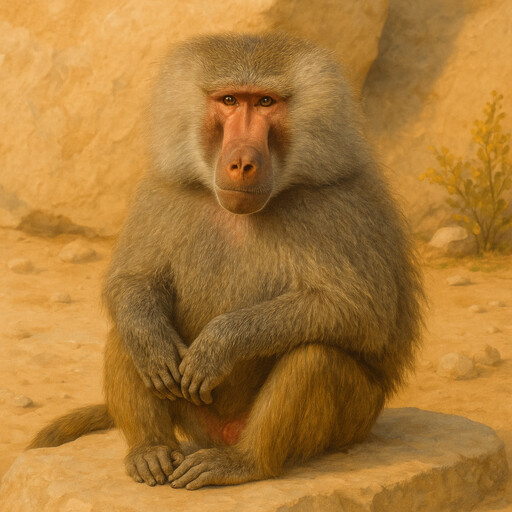
Baboon
Savanna troubleshooters
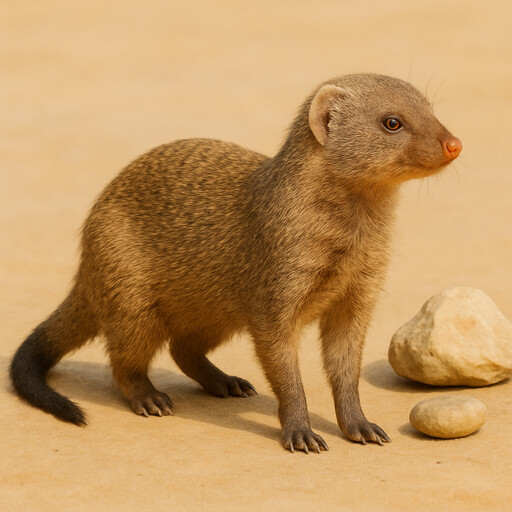
Mongoose
Quick hunters with shared dens
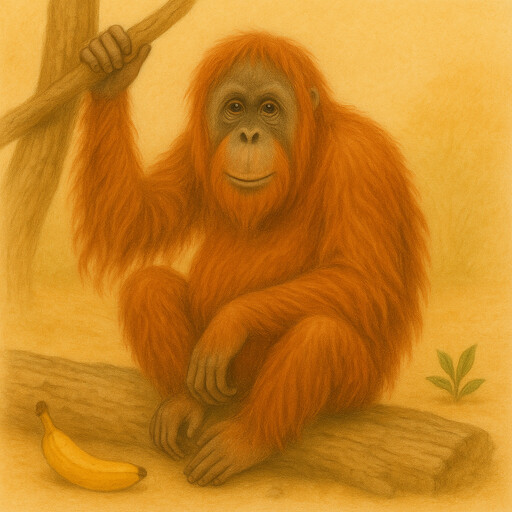
Orangutan
Solitary engineers of the canopy