Flying squirrels do not truly fly; instead they glide using membranes stretched between their wrists and ankles. When launching, they push off with powerful hind legs, spread their limbs, and steer with their flattened tails. They can cover 50 meters in a single glide and make sharp turns by shifting their wrists midair. Large, light-sensitive eyes and long whiskers help them navigate through dense branches at night.
These squirrels live in hardwood and conifer forests across North America, Europe, and Asia. They spend daylight hours in tree cavities or leaf nests lined with moss, often sharing dens with several relatives to stay warm. Just after sunset they emerge to forage on hickory nuts, acorns, mushrooms, lichens, and beetles. In winter, fungi stored in bark crevices become a critical food source. Because they rarely descend to the ground, flying squirrels rely on continuous canopy cover to travel safely.
Flying squirrels are social compared to tree squirrels. Families of two to six individuals often den together, communicating with soft chirps and ultrasonic squeaks. Breeding usually happens twice a year, in early spring and midsummer. After about 40 days of gestation, females give birth to litters of two to four young. Kits are born hairless and blind but grow patagia by three weeks and begin practicing short glides inside the nest before venturing outside.
Habitat fragmentation, logging of old trees, and removal of standing snags reduce cavity nests needed for resting and raising young. Outdoor cats and owls are common predators when squirrels glide near forest edges. Conservation measures include retaining dead trees during timber harvests, installing nest boxes in managed forests, and protecting corridor strips that keep canopies connected. Nighttime surveys with specialized audio recorders help scientists map populations and identify areas where restored habitat could reconnect gliding routes.
Flying squirrel
Level
readlittle.com
Night gliders with built-in parachutes
What We Can Learn
- Patagia membranes let flying squirrels glide between trees.
- Cavities in old trees provide communal dens for warmth and safety.
- Females produce two to four young that practice gliding before leaving the nest.
- Conserving snag trees, nest boxes, and canopy corridors keeps gliding routes intact.
Related Reads
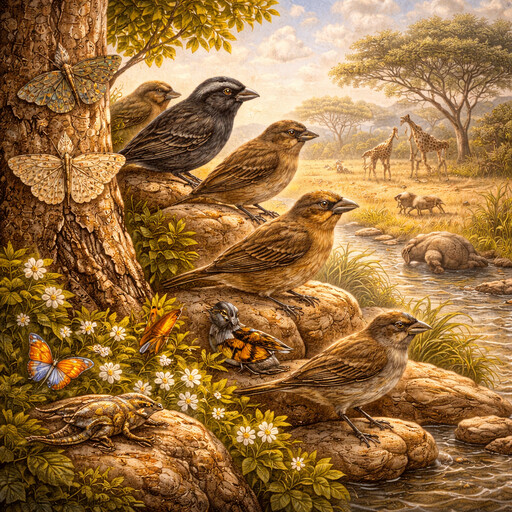
Natural selection
How living things change over time

Gorilla
Forest gardeners with gentle strength
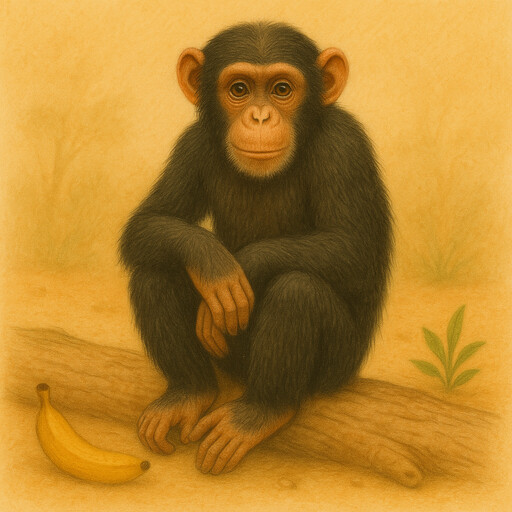
Chimpanzee
Inventive problem-solvers of African forests
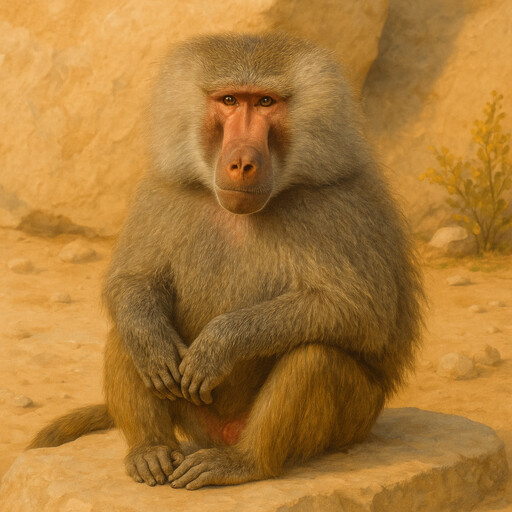
Baboon
Savanna troubleshooters
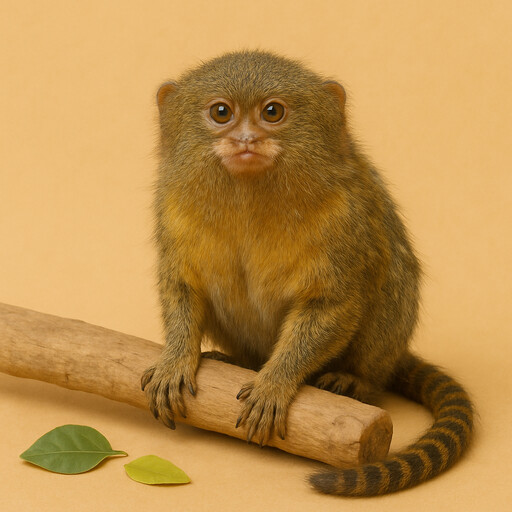
Pygmy marmoset
Thumb-sized sap specialist
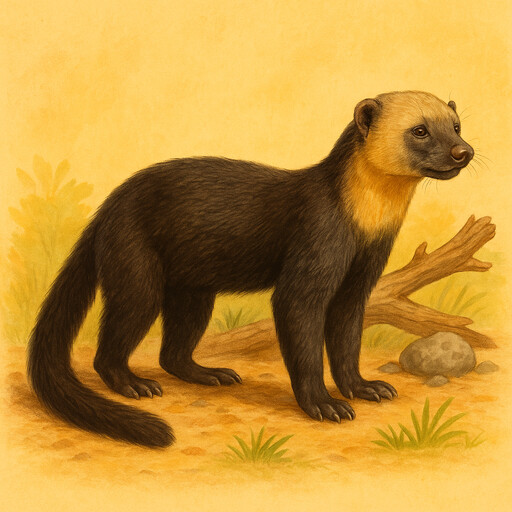
Tayra
Restless hunters of the Neotropics
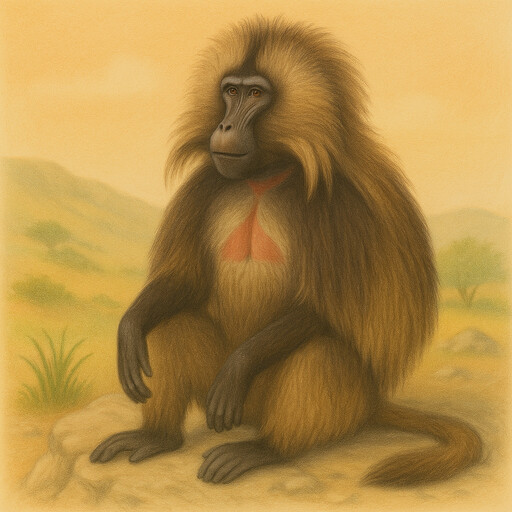
Gelada
Grass-eating monkeys of the highlands
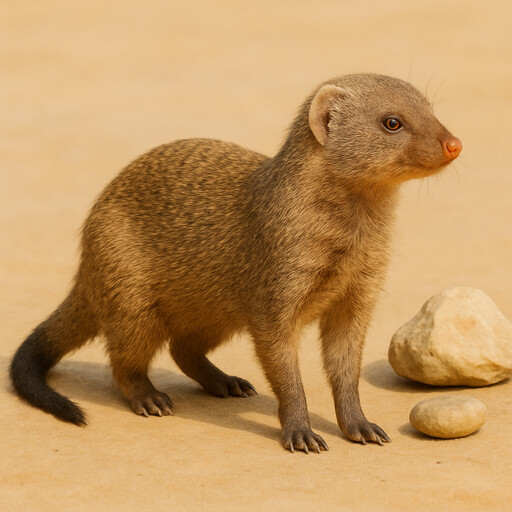
Mongoose
Quick hunters with shared dens
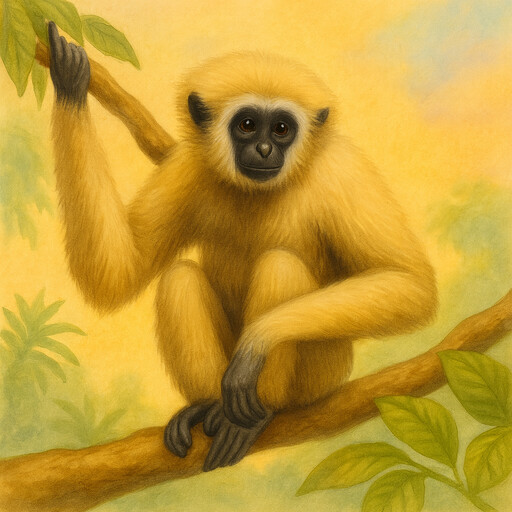
Gibbon
Singing acrobats of the canopy
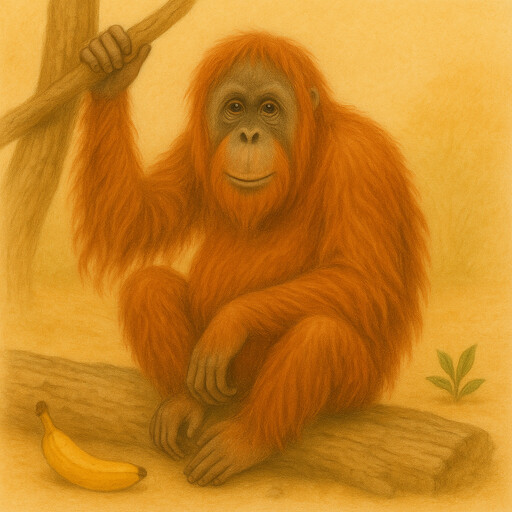
Orangutan
Solitary engineers of the canopy
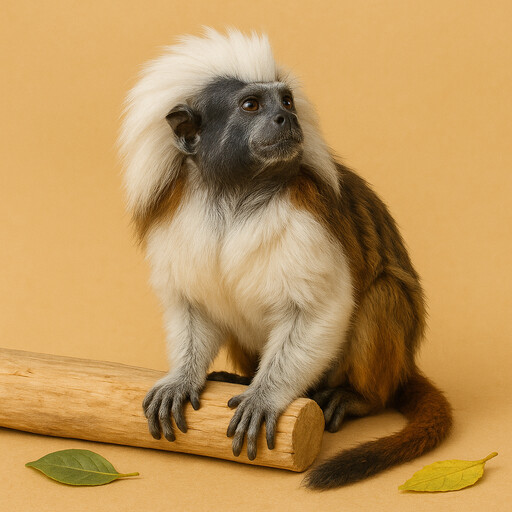
Tamarin
Tiny monkeys with bold mustaches
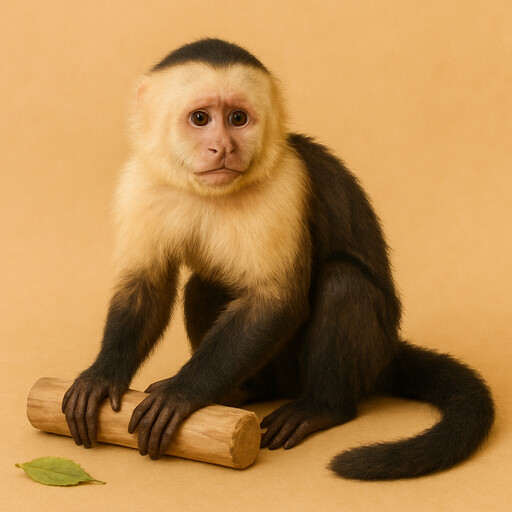
Capuchin
Quick-handed monkeys of the Americas