Biodiversity means the variety of all living things on earth. It includes every form of life, from tiny bacteria to large animals and trees. Biodiversity can be found in oceans, forests, deserts, mountains, and even cities. It helps keep natural systems balanced and allows life to continue on the planet.
Scientists study biodiversity at three main levels: genetic diversity, species diversity, and ecosystem diversity. Genetic diversity is the variety of genes within a species. For example, dogs come in many breeds with different colors, sizes, and abilities, all belonging to one species. species diversity is the number of different kinds of living things in an area, such as plants, insects, and mammals. ecosystem diversity refers to the variety of habitats, like rainforests, coral reefs, and grasslands, where species live and interact.
Biodiversity supports life in many ways. Plants produce oxygen and food, insects pollinate flowers, and microorganisms help break down waste. These relationships create ecosystems that provide essential ecosystem services, such as clean air, fresh water, and fertile soil. Without biodiversity, ecosystems would not function properly, and life on Earth would be harder to sustain.
The distribution of biodiversity is not the same everywhere. Tropical regions, such as the Amazon Rainforest or coral reefs, have very high biodiversity because the climate and environment support many living things. Cold or dry areas, like deserts or polar regions, have fewer species but are still important parts of Earth’s biodiversity.
Many scientists have observed that biodiversity is changing because of human activities. Deforestation, pollution, and climate change can harm plants and animals, reducing the number of species in an area. Some species become endangered or even extinct when their habitats are destroyed or changed too quickly. Scientists around the world work to protect biodiversity by studying species, creating protected areas, and restoring damaged ecosystems.
Biodiversity is vital for life on Earth. Every species plays a role in nature, helping the planet’s systems stay in balance. Understanding and protecting biodiversity helps ensure that future generations can continue to benefit from the variety of life on Earth.
Biodiversity
Level
readlittle.com
The variety of life on Earth
What We Can Learn
- Biodiversity is the variety of all living things on Earth.
- It includes genetic, species, and ecosystem diversity.
- Biodiversity helps ecosystems provide air, water, and food.
- Human activities can affect biodiversity and cause species loss.
Related Reads
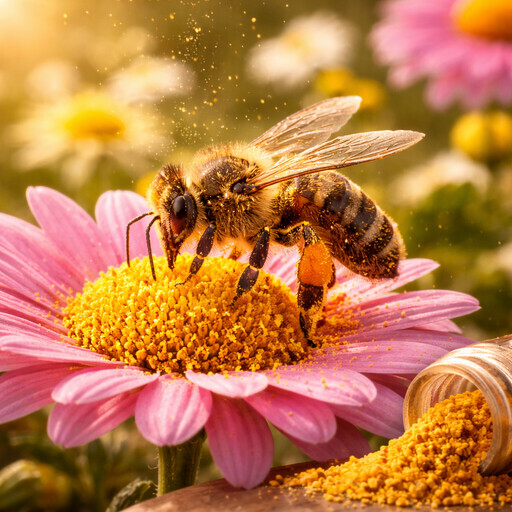
Pollen
Tiny grains used in plant reproduction
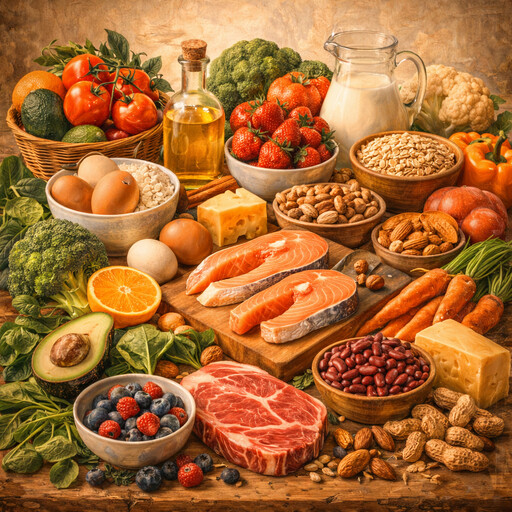
Nutrient
Substance needed for growth and life
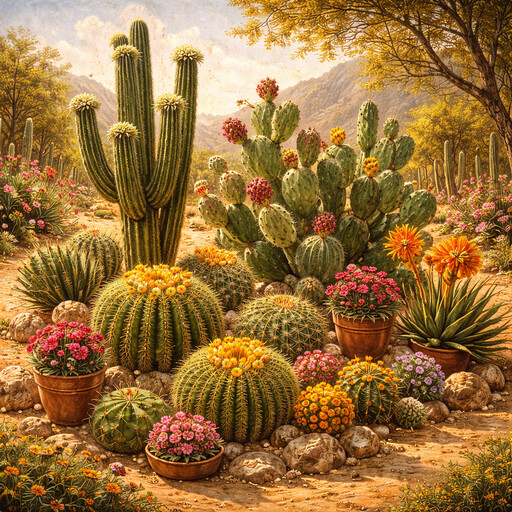
Cactus
Plant adapted to dry environments

Plant
Living organism that makes its own food
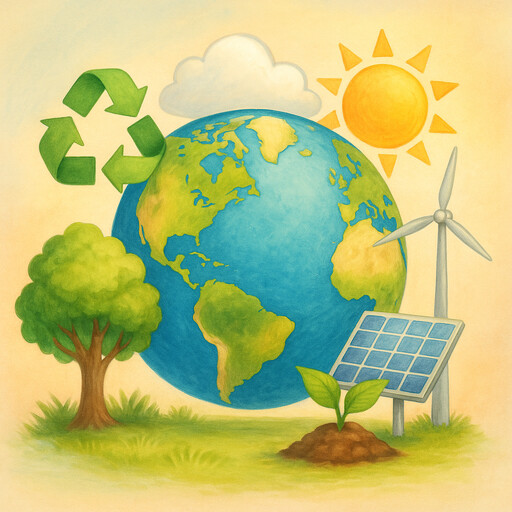
Ecology
Study of living things and environments

Animal
Living organisms that eat other life
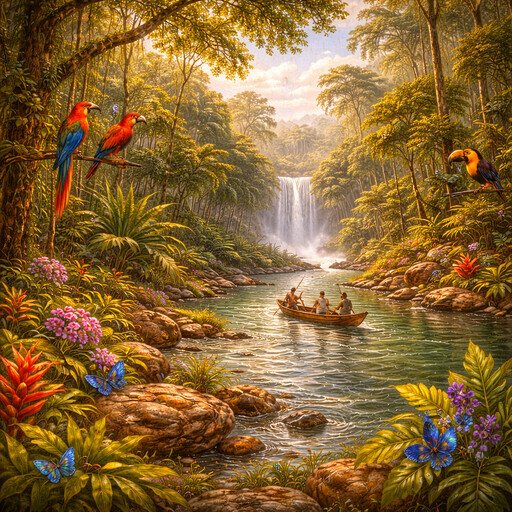
Amazon rainforest
Vast tropical forest in South America
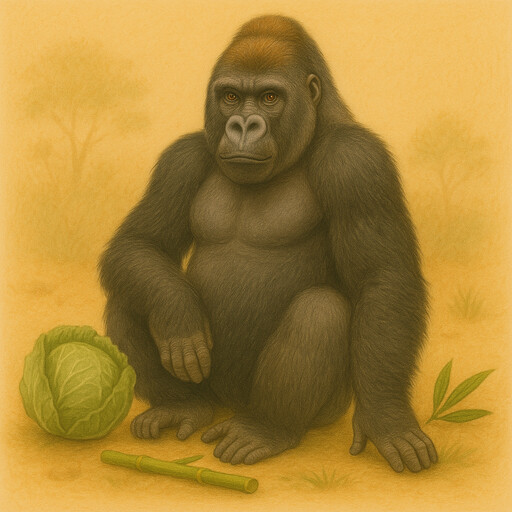
Gorilla
Forest gardeners with gentle strength
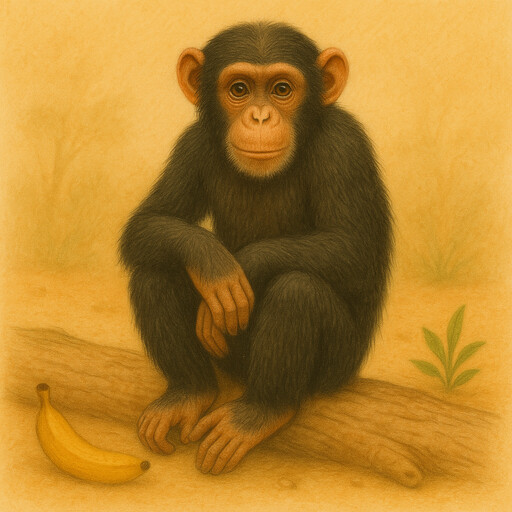
Chimpanzee
Inventive problem-solvers of African forests
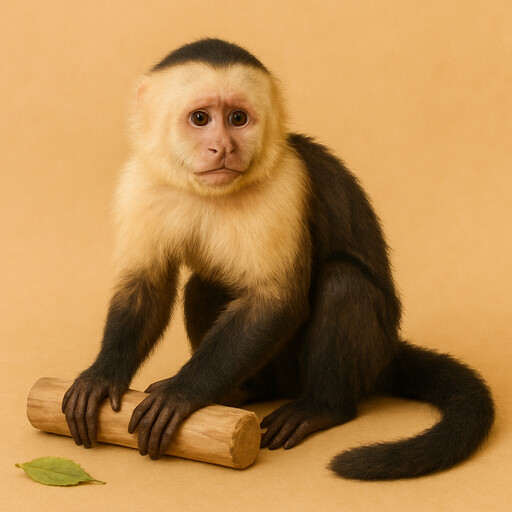
Capuchin
Quick-handed monkeys of the Americas
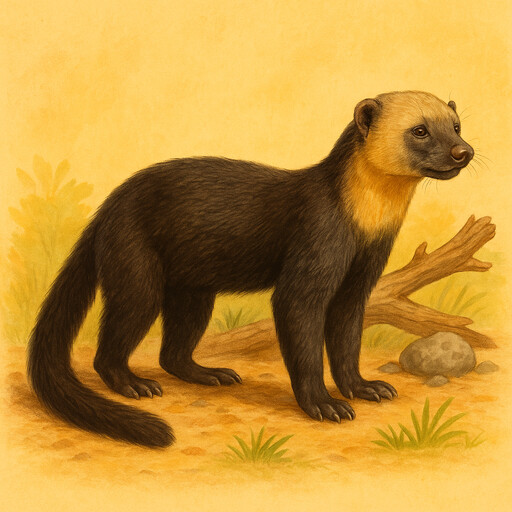
Tayra
Restless hunters of the Neotropics
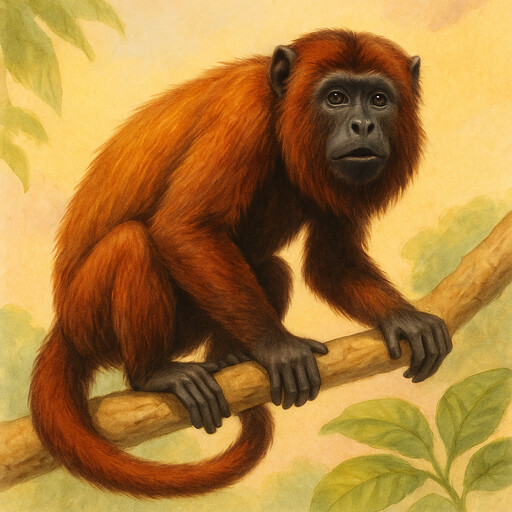
Howler monkey
Rainforest alarm bells