Chemistry is the branch of science that studies matter — everything that has mass and takes up space. It looks at what things are made of, how they are put together, and how they can change into other things. From the air we breathe to the food we eat, chemistry is part of almost everything in our daily lives.
Matter is made up of very small particles called atoms. Atoms are like building blocks that combine to form molecules. For example, one water molecule is made of two hydrogen atoms and one oxygen atom. Different combinations of atoms create the wide variety of materials we see around us — from metals to plastics to living cells.
Chemistry is often called the central science because it connects with physics, biology, geology, and even medicine. Chemists study how substances interact, react, and form new substances. A reaction can release energy, like a fire burning wood, or absorb energy, like a cold pack used to cool injuries. By understanding these reactions, chemists can create useful products such as medicines, fuels, soaps, and paints.
There are several main branches of chemistry. Organic chemistry studies substances that contain carbon, such as living things and fuels. Inorganic chemistry focuses on minerals, metals, and other non-living materials. Physical chemistry looks at energy and matter, and biochemistry studies chemical processes inside living things. Each branch helps us understand a different part of the world.
Chemistry also plays a big role in the environment. It helps us understand air pollution, water quality, and how materials break down in nature. Green chemistry focuses on creating products and reactions that are safer and less harmful to the planet. By learning how substances behave, chemists can design solutions that make life cleaner and healthier.
In simple words, chemistry is about change — how one thing becomes another. Rust forms on metal, bread bakes in an oven, and plants make food using sunlight. These are all chemical processes. Studying chemistry helps people explore how the world works at the smallest level — and how that knowledge can make the future better.
Chemistry
Level
readlittle.com
The study of matter and its changes
What We Can Learn
- Chemistry studies matter, its structure, and its changes.
- Atoms and molecules are the building blocks of all substances.
- Chemical reactions create new substances with different properties.
- Chemistry helps us understand and improve the world around us.
Related Reads
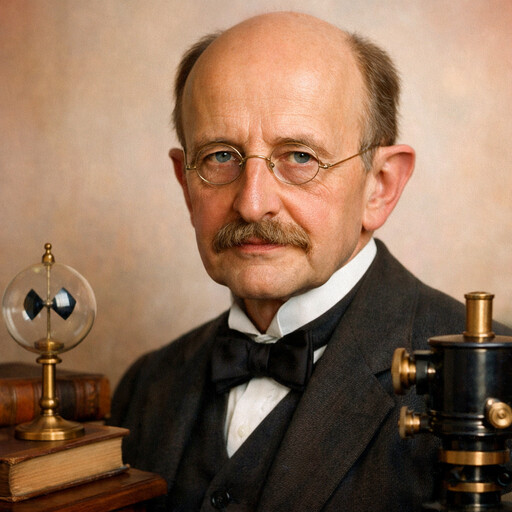
Max Planck
Founder of quantum theory

Dutch Golden Age
Period of Dutch global growth
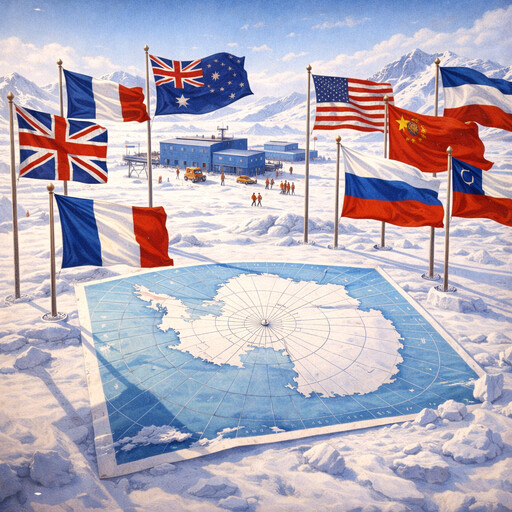
Antarctic Treaty System
Agreements governing Antarctica
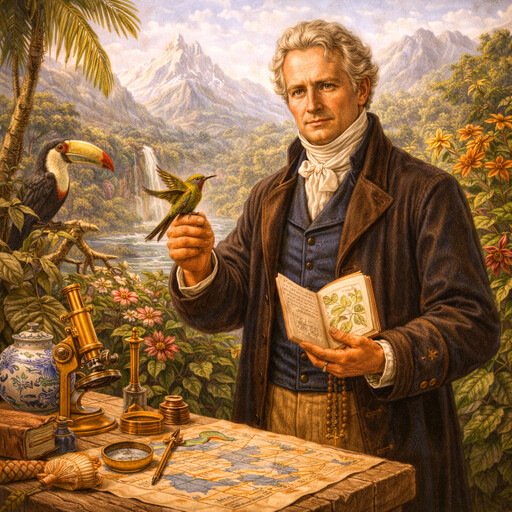
Alexander von Humboldt
Explorer of nature and the natural world
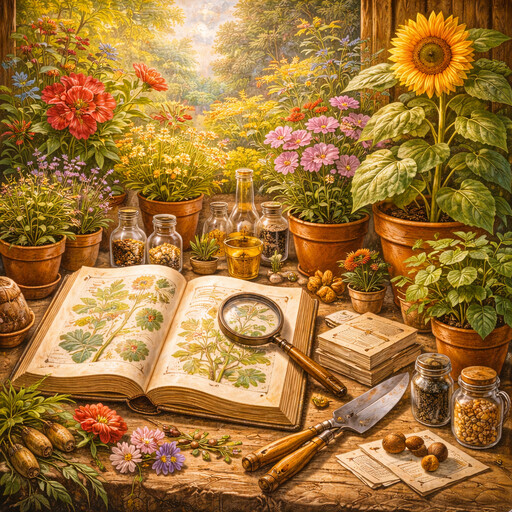
Botany
The study of plants and plant life
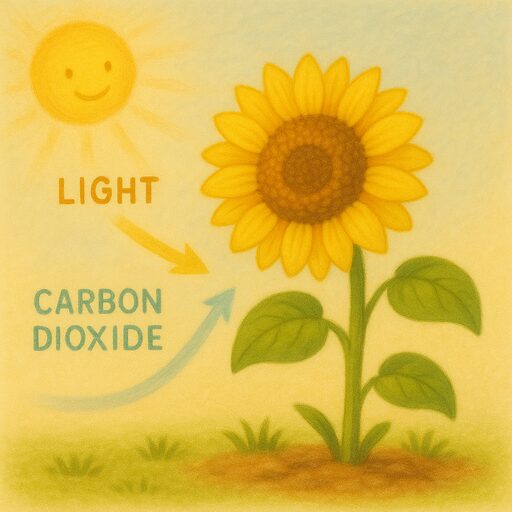
Photosynthesis
How plants make food using light
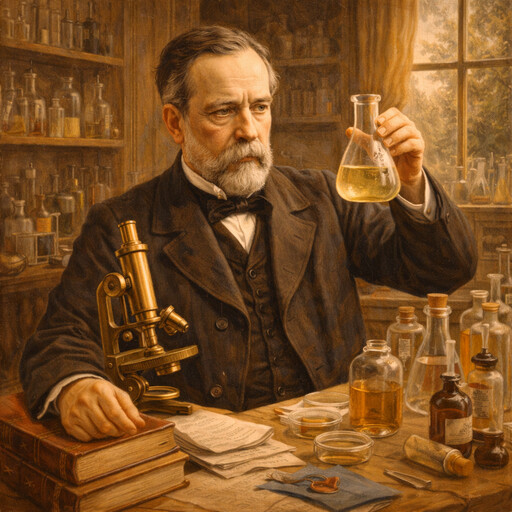
Louis Pasteur
French scientist who studied germs
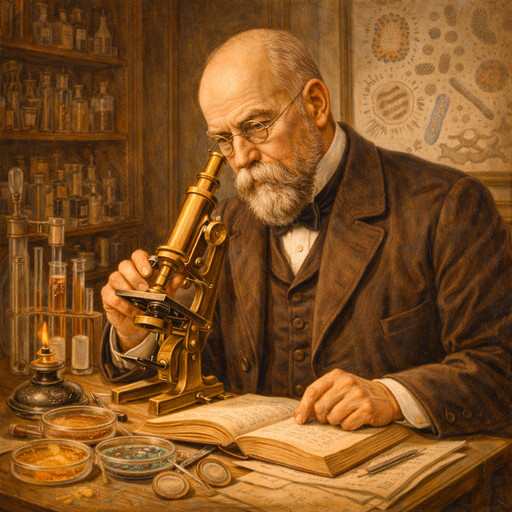
Robert Koch
German doctor who studied disease-causing bacteria
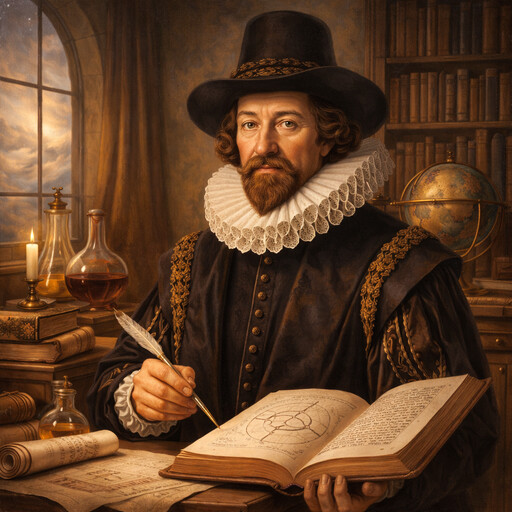
Francis Bacon
Thinker who shaped modern scientific method
Blaise Pascal
Mathematician and thinker of early science

René Descartes
Philosopher and mathematician of early science
Leonardo da Vinci
Italian artist and thinker of the Renaissance