Sheep descended from wild mouflon that once roamed rocky slopes in the Middle East and Europe. Herding communities selected animals with soft wool and calm temperaments, leading to modern breeds that thrive in meadows, mountains, and even urban greenbelts. Sheep graze by nibbling grasses close to the ground, keeping invasive weeds in check and fertilizing soil with their droppings. Flocks also serve as natural lawn mowers around solar farms, orchards, and vineyards.
Wool grows continuously, so sheep need yearly shearing to stay comfortable. A skilled shearer works carefully so the fleece comes off in one piece, later washed and spun into yarn. Carding, dyeing, and weaving transform that fleece into warm blankets and clothing. Some breeds, like Katahdins, shed naturally and are raised primarily for meat. Others produce rich milk used for cheeses such as feta and Roquefort.
Sheep possess excellent peripheral vision and stay safe by grouping tightly together. They communicate through bleats and stamped hooves, and they recognize each other by facial features and scent. Guardian animals such as dogs, llamas, or donkeys often join the flock to deter predators. Shepherds use whistles or bells to signal moving toward new pasture, and well-trained border collies respond instantly to guide the flock.
Good management provides fresh water, mineral supplements, and dry shelters. Lambing season requires close observation because mothers may need assistance delivering twins or keeping newborns warm. Vaccinations and hoof trimming prevent disease, while rotational grazing reduces parasites hiding in grass. Many farmers practice regenerative agriculture, planting diverse forages that capture carbon and nourish both sheep and soil microbes.
Sheep feature prominently in folktales, lullabies, and festivals. Spinning circles and fiber arts clubs keep traditional crafts alive, and students visit barns to learn about genetics by comparing fleece textures. When people respect the flock’s instincts and provide thoughtful care, sheep repay the effort with wool, milk, meat, and the peaceful rhythm of grazing.
Sheep
Level
readlittle.com
Woolly wanderers of hills and fields
What We Can Learn
- Sheep descended from mouflon and now support fiber, meat, and dairy production.
- Shearing, hoof care, and rotational grazing keep flocks healthy.
- Strong flocking instincts and guardian animals protect sheep from danger.
- Wool crafts and cultural traditions celebrate the bond between shepherds and sheep.
Related Reads

Johann Gottfried Herder
German thinker of culture and language

Ming dynasty
Chinese dynasty from 1368 to 1644
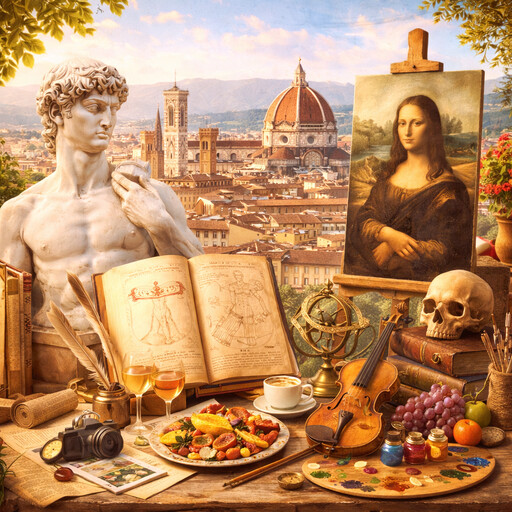
Renaissance
Period of cultural change in Europe

Polynesia
Island region of the Pacific Ocean
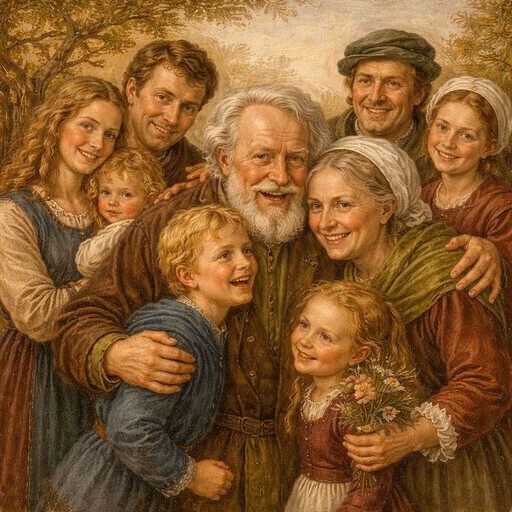
Kinship
Family relationships and social ties
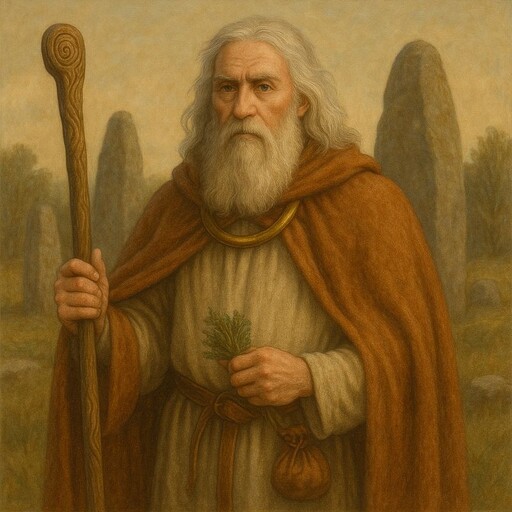
Celts
Ancient peoples of Europe
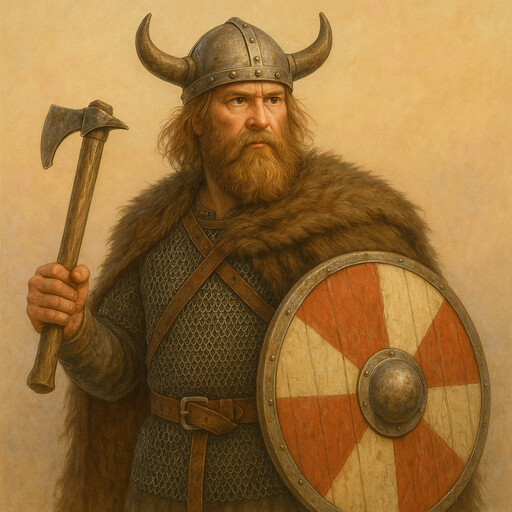
Vikings
Seafaring people of northern Europe
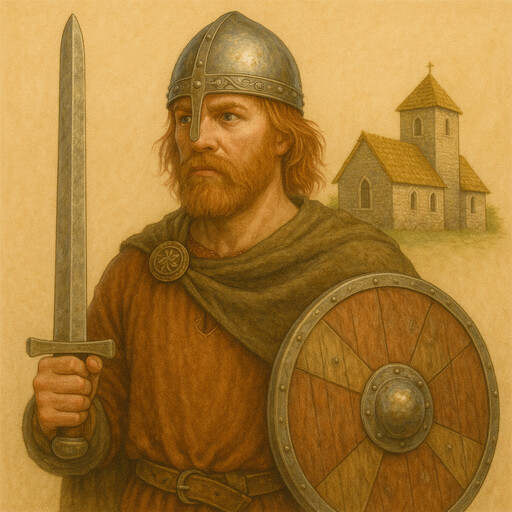
Anglo-Saxons
Early peoples of England
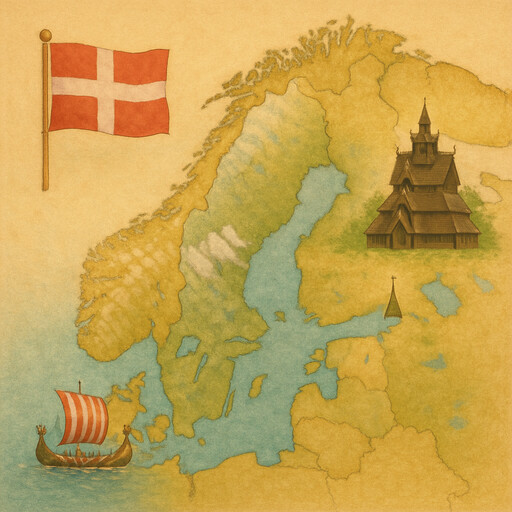
Scandinavia
Northern region of Europe

England
Country in the United Kingdom
Monkey
Playful primates with clever minds
Lion
Social cats of the savanna