The Ming dynasty was a period of Chinese history that lasted from 1368 to 1644. A dynasty is a line of rulers from the same family. The Ming dynasty ruled after the Yuan dynasty, which had been led by Mongol rulers. The Ming period began when Chinese forces took control of the country again. During this time, China was ruled by emperors who lived in large palace complexes and governed through officials. The Ming dynasty is remembered for rebuilding Chinese rule, strengthening borders, and supporting art and learning. Its capital cities were Nanjing at first and later Beijing.
The Ming dynasty was founded by Zhu Yuanzhang, who became known as the Hongwu Emperor. He was born into a poor farming family. As a young man, he joined a rebellion against the Yuan rulers. A rebellion is an uprising against those in power. After many battles, Zhu Yuanzhang gained control of China and became emperor in 1368. He worked to restore order after years of war. The Hongwu Emperor reduced the power of nobles and relied on civil officials. These officials were chosen through examinations that tested knowledge of books and laws. This system helped organize the government.
Ming emperors ruled with a strong central government. The emperor had the highest authority. Below him were officials who managed taxes, laws, and public works. Public works are projects such as roads, canals, and buildings. The Ming government repaired and expanded the Great Wall to defend against invasions from the north. Soldiers guarded the borders and key cities. The Ming also created detailed laws to control daily life and trade. Farming was important, and the government encouraged people to grow crops and settle unused land.
Trade and exploration increased during the early Ming period. Chinese goods such as silk, porcelain, and tea were traded with other regions. Porcelain is a type of fine ceramic often used to make bowls and plates. One of the most famous Ming figures was Zheng He, a naval commander. A naval commander leads ships at sea. Between 1405 and 1433, Zheng He led several long sea voyages. His large fleets traveled to Southeast Asia, India, and the east coast of Africa. These voyages showed China’s naval strength and helped establish trade contacts.
Ming culture grew in many areas. Painting, literature, and crafts developed during this time. Blue-and-white porcelain became especially common and is still known today. Printing improved, making books more available. Education was valued, especially for those preparing for government exams. Large building projects were completed, including the Forbidden City in Beijing. The Forbidden City was a palace complex where the emperor lived and worked. Many temples, bridges, and city walls were also built during the Ming period.
In its later years, the Ming dynasty faced problems. Government spending increased, while taxes were harder to collect. Natural disasters such as floods and droughts damaged farms. A drought is a long period without rain. Rebellions broke out in different regions. At the same time, groups from the northeast, known as the Manchus, became stronger. In 1644, rebel forces entered Beijing, and the last Ming emperor died. The Manchus then took control and established the Qing dynasty. The Ming dynasty ended after nearly 300 years of rule, leaving a lasting mark on Chinese history.
Ming dynasty
Level
readlittle.com
Chinese dynasty from 1368 to 1644
What We Can Learn
- The Ming dynasty ruled China from 1368 to 1644
- It restored Chinese rule after the Yuan dynasty
- The period included strong government and cultural growth
- The dynasty ended after rebellions and invasion
Related Reads

Johann Gottfried Herder
German thinker of culture and language
Deng Xiaoping
Chinese leader of reform era
Mao Zedong
Leader of modern Communist China
First Opium War
Conflict between Qing China and Britain
Qing dynasty
Last imperial dynasty of China
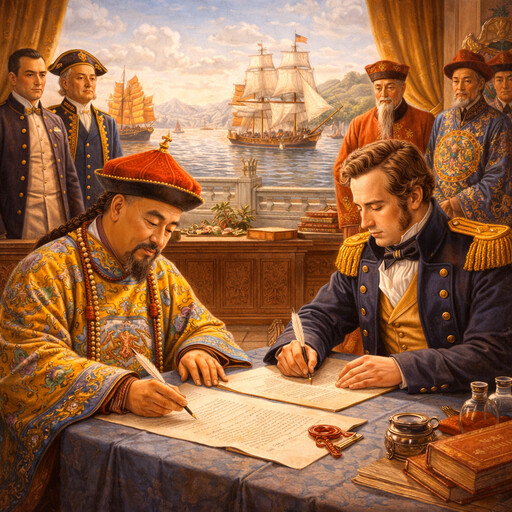
Treaty of Nanking
First unequal treaty between China and Britain
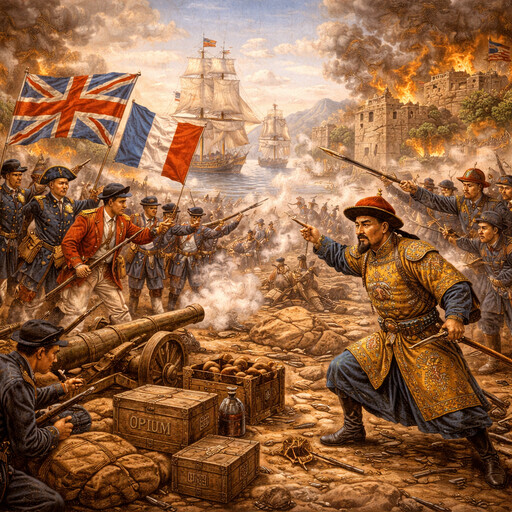
Second Opium War
Renewed conflict between China and Western powers
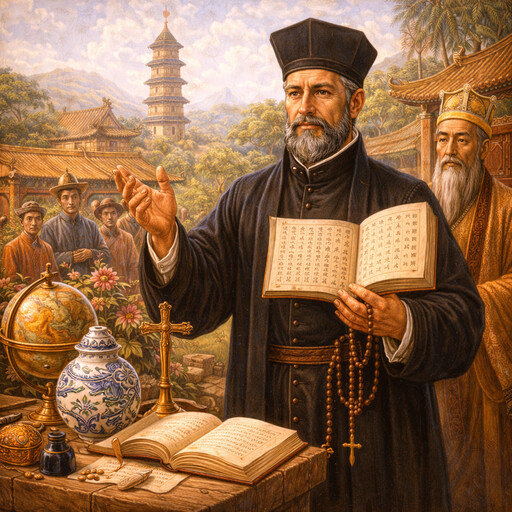
Matteo Ricci
European scholar in Ming China
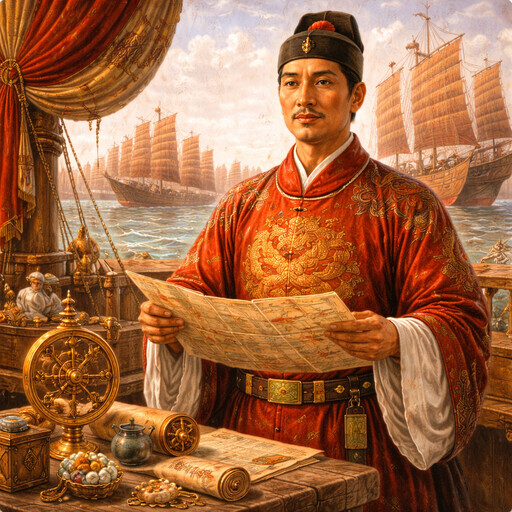
Zheng He
Admiral who led great ocean voyages
Yuan dynasty
Mongol-led dynasty of China
Renaissance
Period of cultural change in Europe
Polynesia
Island region of the Pacific Ocean