The Renaissance was a period in European history that began around the 14th century and lasted until about the 17th century. The word Renaissance comes from French and means "rebirth." It refers to a renewed interest in the ideas, art, and learning of ancient Greece and ancient Rome. This period began in parts of Italy and later spread to other regions of Europe.
During the Middle Ages, most learning in Europe focused on religion. In the Renaissance, people began to study many subjects more closely. These included history, literature, science, and art. This way of study is often called humanism. Humanism was a focus on human history, writing, and abilities, especially those from ancient times. Many scholars learned Greek and Latin to read old texts directly.
Art changed greatly during the Renaissance. Artists studied the human body, light, and space. They tried to show people and objects more realistically. New techniques were developed, such as perspective, which is a method for showing depth on a flat surface. Famous Renaissance artists include Leonardo da Vinci, Michelangelo, and Raphael. Their works included paintings, sculptures, and drawings that showed careful detail and balance.
The Renaissance also brought changes in science and learning. Thinkers began to observe the natural world more closely. They recorded what they saw and tested ideas through experiments. Nicolaus Copernicus proposed that the Earth moves around the Sun. Galileo Galilei used tools like the telescope to study the sky. These ideas challenged older beliefs that had been accepted for many centuries.
Printing played an important role in the spread of Renaissance ideas. The printing press was improved in Europe by Johannes Gutenberg around 1450. A printing press is a machine that can make many copies of a text. Books became cheaper and easier to produce. This allowed ideas to spread more quickly to different places and to more people.
The Renaissance did not happen at the same time everywhere. It began in Italian city-states such as Florence and Venice. Later, it spread to France, England, the Low Countries, and parts of Germany and Spain. Each region developed its own style and focus. By the 1600s, new periods in history began to replace the Renaissance, but many of its ideas continued to influence Europe.
Renaissance
Level
readlittle.com
Period of cultural change in Europe
What We Can Learn
- The Renaissance began in Europe around the 1300s.
- It involved renewed interest in ancient Greek and Roman ideas.
- Art, science, and learning changed during this period.
- The printing press helped spread Renaissance ideas.
Related Reads
No image
Monarchy
Government ruled by a royal family

Johann Gottfried Herder
German thinker of culture and language
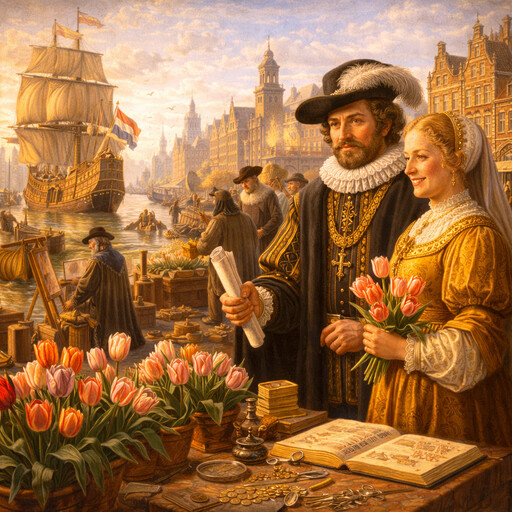
Dutch Golden Age
Period of Dutch global growth
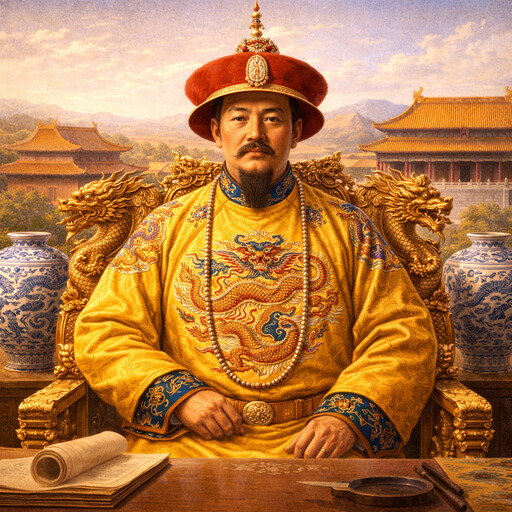
Ming dynasty
Chinese dynasty from 1368 to 1644
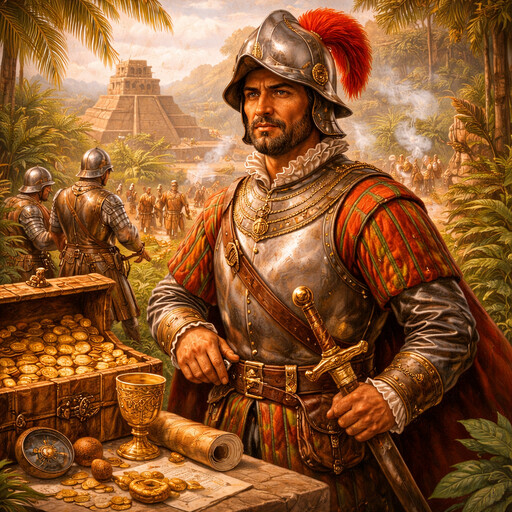
Conquistador
Spanish explorers and soldiers of empire
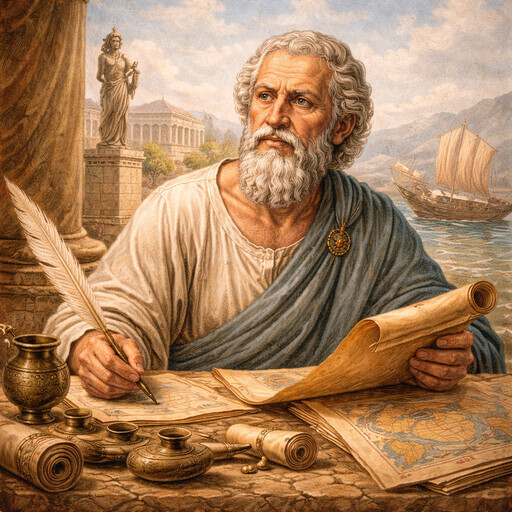
Herodotus
Ancient Greek writer of early history
Balkans
Southeastern European region
Napoleon
French general and emperor
Maximilien Robespierre
Leader during the French Revolution
La Marseillaise
National anthem of France
Voltaire
French writer of the Enlightenment
David Hume
Scottish philosopher and historian