Tooth anatomy features a crown covered in enamel, the hardest substance in the body. Enamel's crystalline structure resists wear from chewing but cannot repair itself once damaged. Beneath it lies dentin, a living tissue with microscopic tubules that transmit temperature and pressure to the inner pulp, where nerves and blood vessels reside.
The root of each tooth anchors into the jawbone via the periodontal ligament. This fibrous attachment acts like a shock absorber, allowing tiny movements while holding the tooth firmly in place. Cementum, a bone-like coating on the root, binds the ligament fibers to the tooth surface. Healthy gums seal around the neck of the tooth, blocking bacteria from entering deeper tissues.
Humans develop two sets of teeth. Primary (baby) teeth erupt between six months and about age three, creating space and guidance for permanent teeth that emerge later. Adults typically have incisors for cutting, canines for tearing, premolars for crushing, and molars for grinding. Wisdom teeth, the last molars, sometimes lack room and may require removal.
Tooth decay occurs when oral bacteria feed on sugars and release acids that dissolve enamel, forming cavities. Brushing with fluoride toothpaste, flossing, and limiting sugary snacks remove plaque—the sticky film of bacteria—and strengthen enamel remineralization. Dental sealants and regular checkups help catch problems early, while fluoride in drinking water bolsters community dental health.
Teeth also support speech and facial structure. Missing or damaged teeth can affect pronunciation and confidence, so dentists use fillings, crowns, orthodontics, and implants to restore function. Advances in bioactive materials, 3D printing, and regenerative stem-cell research aim to repair or replace tooth tissues more naturally in the future.
Tooth
Level
readlittle.com
Hard tools for biting and chewing
What We Can Learn
- Teeth combine enamel, dentin, pulp, and roots anchored by ligaments
- Different tooth shapes perform cutting, tearing, and grinding tasks
- Plaque bacteria can erode enamel, so hygiene and fluoride are essential
- Dentistry repairs damage and protects lifelong chewing and speech
Related Reads

Eye
Organ used for seeing light
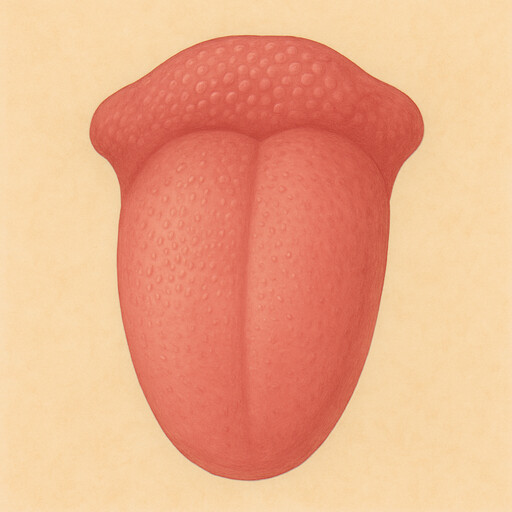
Tongue
Muscle organ for taste and speech
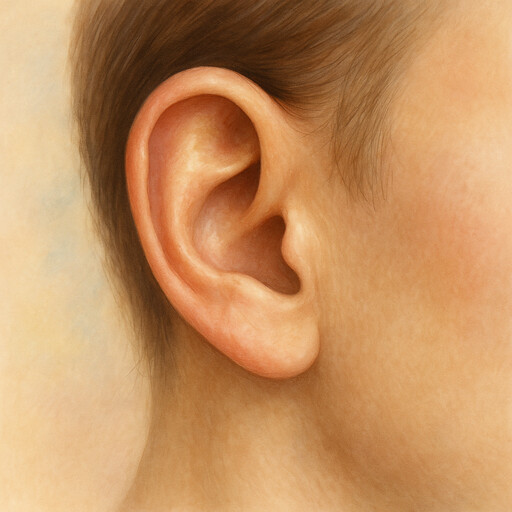
Ear
Organ used for hearing and balance
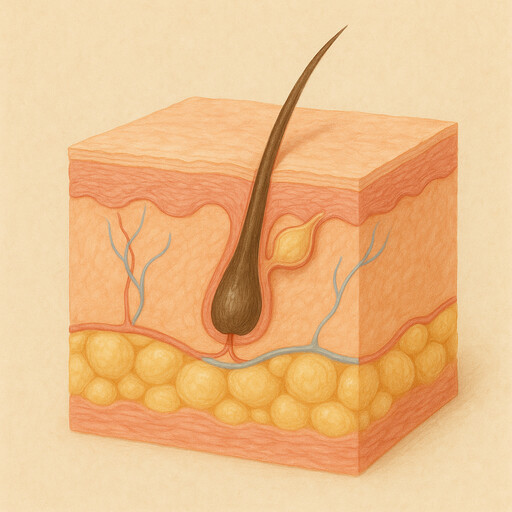
Skin
Outer covering of the human body
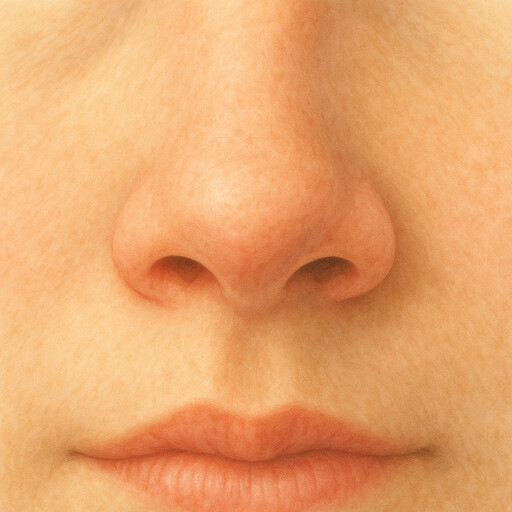
Nose
Organ used for smell and breathing

Turtle
Shell-covered travelers of land and sea

Horse
Powerful partners with steady hooves

Giraffe
Tall guardians of the savanna
Anatomy
Study of body structure in living things

Tyrannosaurus
Large carnivorous dinosaur of late Cretaceous

Jellyfish
Drifting cnidarians with stinging tentacles
Stomach
Mixing tank of digestion