Tsunami comes from a Japanese word meaning "harbor wave." Unlike wind-driven waves, tsunamis form when large volumes of water are displaced suddenly. Most tsunamis follow powerful earthquakes at subduction zones, but underwater landslides, volcanic eruptions, and meteor impacts can also generate them.
In deep water, a tsunami wave may be only a meter high but can travel faster than a jetliner, with wavelengths of hundreds of kilometers. As the wave approaches shallow coastal water, it slows down, compresses, and grows dramatically in height. The resulting surge can inundate low-lying areas within minutes.
Warning signs include rapid sea-level withdrawal (the ocean suddenly receding) and long, rumbling ground shaking near the coast. Tsunami warning centers use seismic data, buoys, and tide gauges to issue alerts. Coastal communities practice evacuation drills and mark safe routes to higher ground.
history records devastating tsunamis, such as the 2004 Indian ocean event and the 2011 japan tsunami, which triggered nuclear accidents and massive rebuilding efforts. However, smaller tsunamis happen every year, reminding planners to stay prepared.
Reducing tsunami risk involves hazard mapping, early-warning systems, sturdy building codes, and restoring natural buffers like mangroves and dunes. After a tsunami, responders focus on search and rescue, medical care, and restoring infrastructure.
Tsunami
Level
readlittle.com
Powerful sea waves triggered by upheaval
What We Can Learn
- Tsunamis result from sudden water displacement caused by earthquakes, landslides, or eruptions
- Waves travel quickly across oceans and grow taller near shore
- Warning systems, education, and evacuation plans save lives
- Natural buffers and resilient infrastructure reduce damage
Related Reads
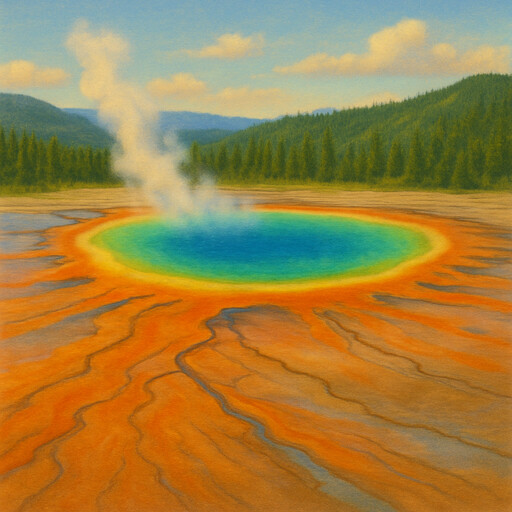
Grand Prismatic Spring
Rainbow hot spring of Yellowstone
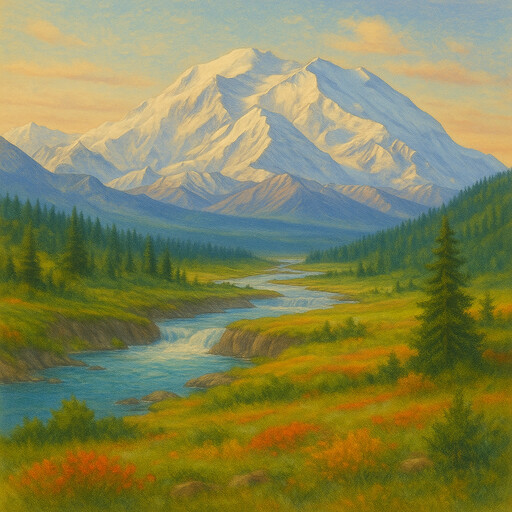
Denali
North America's highest peak
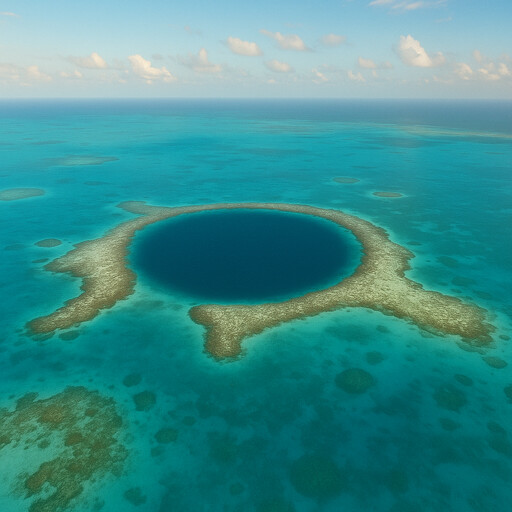
Great Blue Hole
Belize's circular marine sinkhole
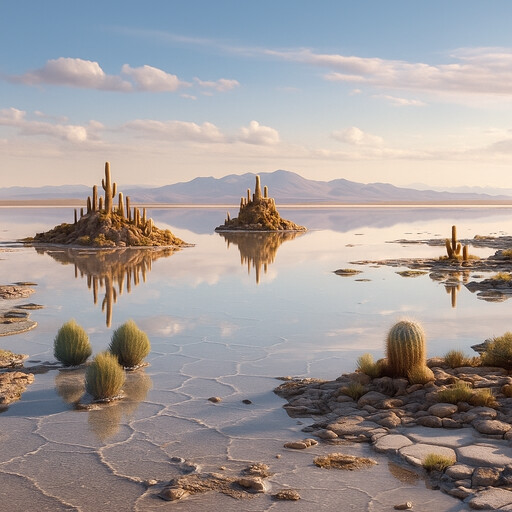
Salar de Uyuni
Bolivia's mirror-like salt flat
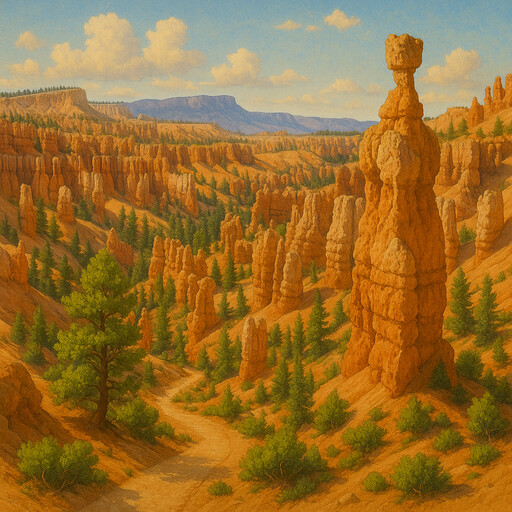
Bryce Canyon
Hoodoo amphitheater on the Paunsaugunt Plateau
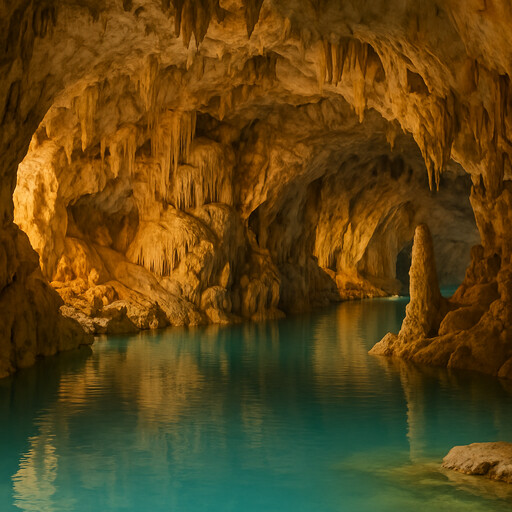
Jeita Grotto
Lebanon's twin-level cave wonder
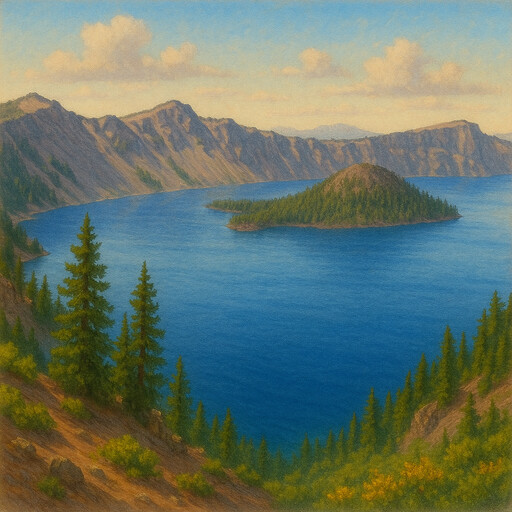
Crater Lake
Deep blue caldera of Mount Mazama
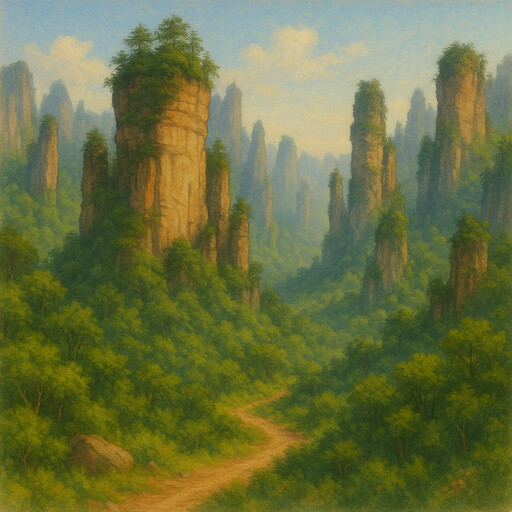
Zhangjiajie National Forest
Sandstone pillar park in Hunan, China
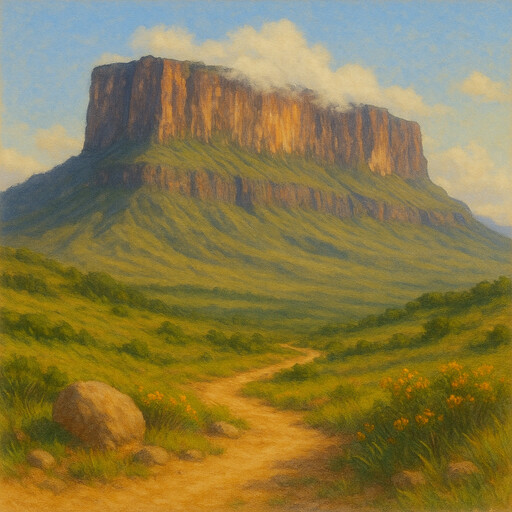
Mount Roraima
Tripoint tepui of the Guiana Highlands
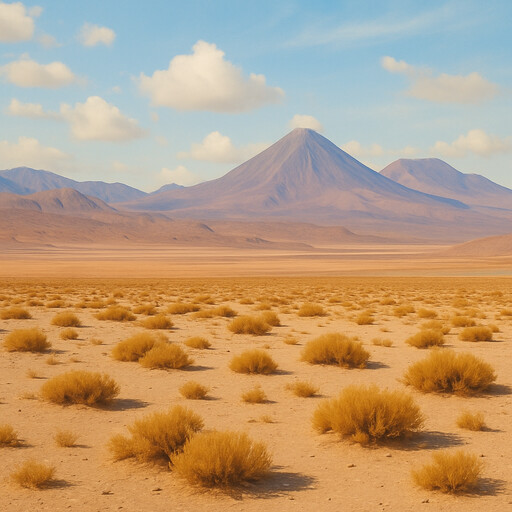
Atacama Desert
Chile's hyper-arid science frontier
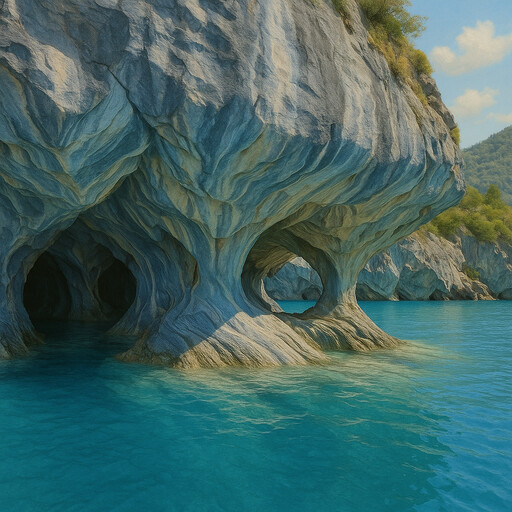
Marble Caves
Glacial lake cathedrals in Patagonia
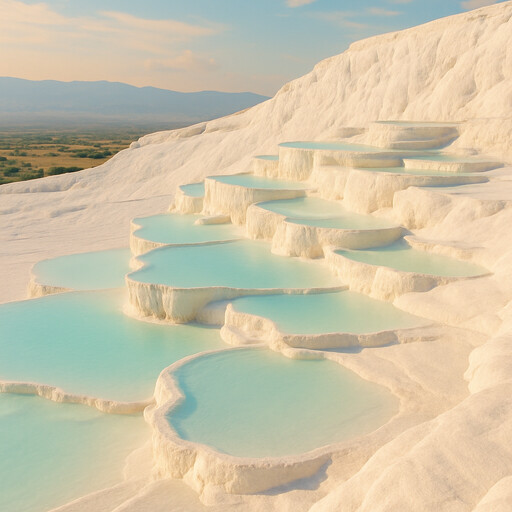
Pamukkale
Turkey's cotton castle hot springs