Japan stretches along the Pacific Ring of Fire with four main islands—Honshu, Hokkaido, Kyushu, and Shikoku—and thousands of smaller islands. Mountain ranges cover about three quarters of the land, including Fuji, an iconic volcano near Tokyo. Earthquakes and hot springs come from shifting tectonic plates, and coastal plains host cities such as Yokohama, Osaka, Nagoya, and Hiroshima. The climate ranges from snowy winters in Hokkaido to subtropical conditions in Okinawa, with cherry blossoms in spring and maple leaves in autumn.
Japan is a constitutional monarchy. The emperor serves as a symbolic head of state, while an elected Diet—made up of the House of Representatives and House of Councillors—passes laws. A prime minister and cabinet direct national policies, and 47 prefectures manage local services, disaster response, and public transit. High-speed Shinkansen trains, ferries, and airlines connect remote towns to metropolitan areas.
Japanese history includes the Jomon and Yayoi periods, samurai-led shogunates, and the Meiji Restoration that modernized the country in the late 1800s. After World War II Japan adopted a pacifist constitution, rebuilt through technology and exports, and joined organizations such as the United Nations and G7. Today it collaborates on space projects, climate agreements, and humanitarian aid.
The economy blends manufacturing, services, robotics, and agriculture. Companies design automobiles, game consoles, and medical equipment, while research labs test humanoid robots and lunar rovers. Farmers cultivate rice paddies, tea gardens, and fisheries, and coastal communities raise oysters and seaweed. Renewable energy projects build offshore wind turbines and geothermal plants, and disaster drills teach families how to prepare emergency kits.
Culture balances tradition and innovation. Shinto shrines and Buddhist temples sit beside skyscrapers, and festivals celebrate fireworks, lanterns, and seasonal food stalls. Language lessons teach Japanese writing systems—hiragana, katakana, and kanji—and students often learn English as a foreign language. Media from anime to j-pop travels worldwide, while tea ceremonies, calligraphy, and kendo continue in schools. Meals include rice, miso soup, sushi, noodles, and seasonal fruits, with etiquette emphasizing gratitude before and after eating.
Japan
Level
readlittle.com
Island nation of seasons and science
What We Can Learn
- Japan is an island nation on the Pacific Ring of Fire with mountains and varied climates.
- A constitutional monarchy and elected Diet oversee 47 prefectures.
- History spans samurai eras, modernization, and postwar rebuilding.
- Manufacturing, robotics, agriculture, and culture shape daily life.
Related Reads

Johann Gottfried Herder
German thinker of culture and language
No image
Monarchy
Government ruled by a royal family
Ming dynasty
Chinese dynasty from 1368 to 1644
Cape of Good Hope
Southern headland of Africa
Thomas Jefferson
Author and third U.S. president
Mary Kingsley
British traveler and writer in West Africa
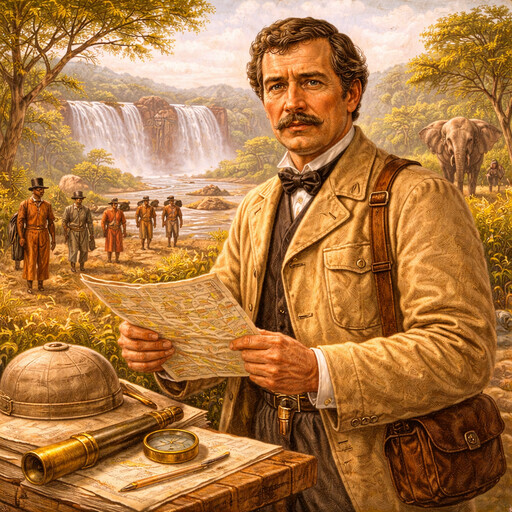
David Livingstone
Scottish explorer of Africa
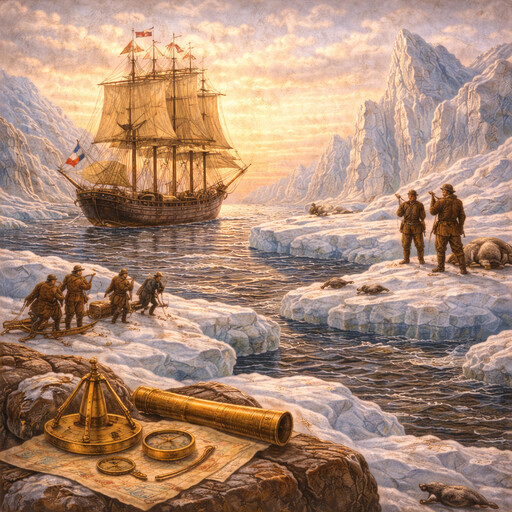
Northwest Passage
A sea route through Arctic waters
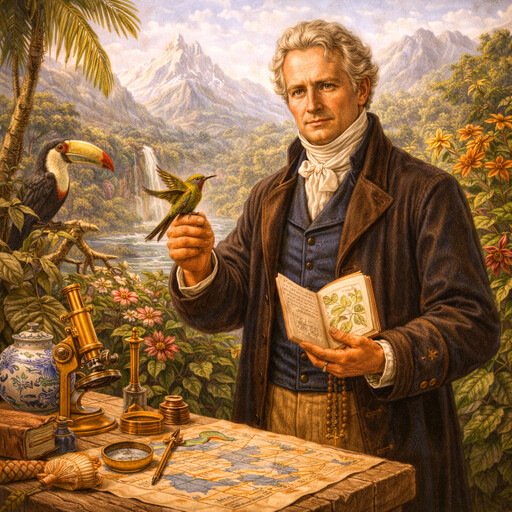
Alexander von Humboldt
Explorer of nature and the natural world

Louisiana Purchase
A land deal that doubled the United States

Lewis and Clark Expedition
Exploring the land west of the Mississippi
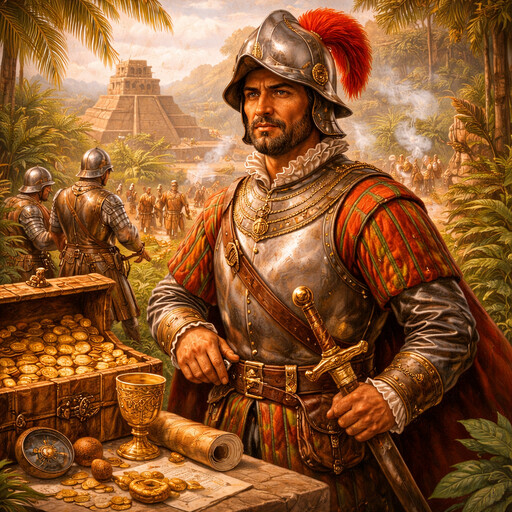
Conquistador
Spanish explorers and soldiers of empire