Bryce Canyon is a natural amphitheater on the Paunsaugunt Plateau in southern Utah, USA. Despite the name, it is not a true canyon carved by a single river. Instead, weathering and erosion sculpted colorful cliffs into thousands of hoodoos—thin spires of rock topped by harder caps. Bryce Canyon National Park protects this maze of towering formations, which glow orange, pink, and cream at sunrise and sunset.
The rock layers belong to the Claron Formation, deposited about 50 million years ago in ancient lakes. Over time, uplift from the Colorado Plateau raised the layers, exposing them to freeze-thaw cycles and monsoon rains. Water seeping into cracks freezes in winter, expanding and prying rock apart. Summer storms wash away loosened blocks, slowly carving hoodoo gardens. Geologists map how different minerals, such as iron and manganese, create the rainbow of colors seen along the rim.
Bryce Canyon sits at elevations between 2,400 and 2,700 meters, so forests of ponderosa pine, Douglas fir, and quaking aspen surround the rim. Mule deer, pronghorn, Utah prairie dogs, and peregrine falcons live in the park, while night skies remain dark enough for Milky Way viewing. Park rangers operate astronomy programs, snowshoe walks, and geology talks that explain how the plateau continues to change. Winter visitors often witness snow clinging to hoodoos like frosting.
Trails such as Navajo Loop, Queens Garden, and Fairyland Loop wind through the hoodoos, offering up-close views of natural bridges and slot passages. The scenic drive includes viewpoints like Sunrise, Sunset, Inspiration, and Bryce Point. Shuttle buses reduce traffic in busy seasons, and trail crews maintain switchbacks to prevent erosion. The park also honors the heritage of Indigenous Paiute people, who tell stories of “Legend People” turned to stone.
Climate change brings challenges such as longer droughts, bark-beetle outbreaks in pine forests, and more frequent extreme storms. Park managers monitor soil moisture, restore meadows, and collaborate with scientists on water conservation. Visitors learn Leave No Trace practices, refill water bottles at designated stations, and check weather alerts for lightning. By studying geology and protecting wildlife, Bryce Canyon National Park shares the story of erosion, time, and community stewardship.
Bryce Canyon
Level
readlittle.com
Hoodoo amphitheater on the Paunsaugunt Plateau
What We Can Learn
- Bryce Canyon is an amphitheater of hoodoos shaped by freeze-thaw erosion.
- Rock colors reflect minerals within the Claron Formation’s ancient lake sediments.
- High-elevation forests, wildlife, and dark skies make the park biologically rich.
- Trails, shuttles, and cultural programs connect visitors to geology and Paiute stories.
- Climate adaptation focuses on forest health, erosion control, and water conservation.
Related Reads

Johann Gottfried Herder
German thinker of culture and language
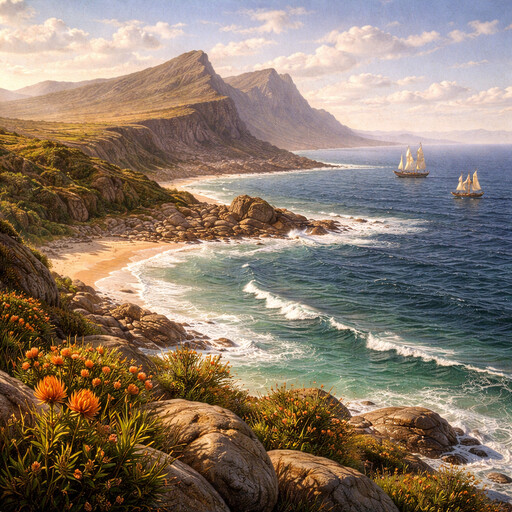
Cape of Good Hope
Southern headland of Africa

Ming dynasty
Chinese dynasty from 1368 to 1644
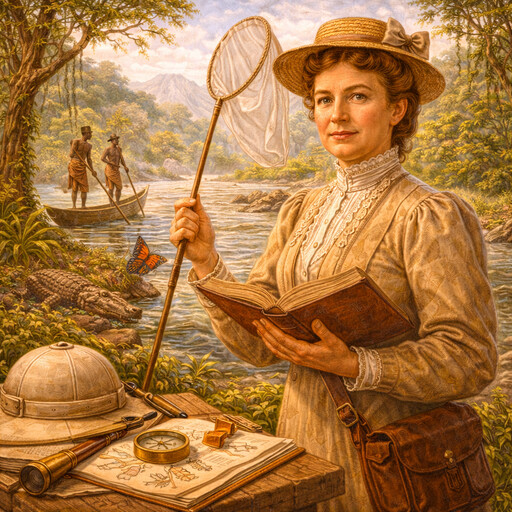
Mary Kingsley
British traveler and writer in West Africa
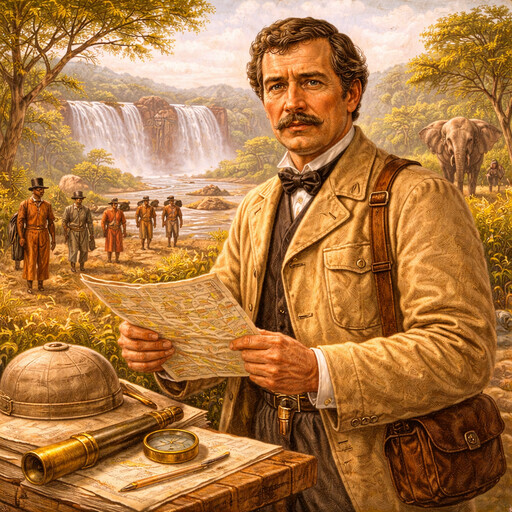
David Livingstone
Scottish explorer of Africa

Louisiana Purchase
A land deal that doubled the United States
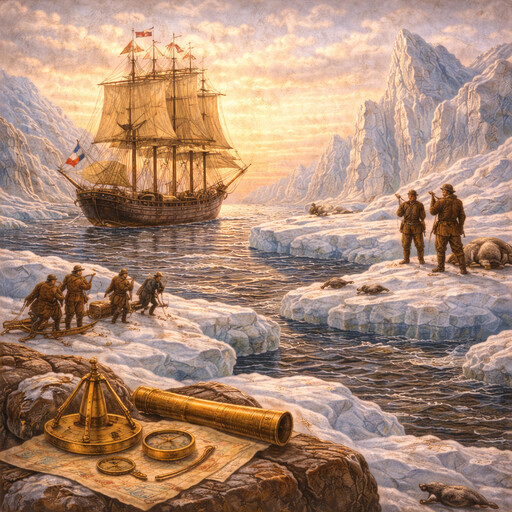
Northwest Passage
A sea route through Arctic waters
Alexander von Humboldt
Explorer of nature and the natural world

Lewis and Clark Expedition
Exploring the land west of the Mississippi

Ptolemy
Ancient scholar of astronomy and geography
Pytheas
Greek explorer of the far north
Habitat
Natural home of living things