Tourism is the activity of people traveling to and staying in places outside their usual environment for leisure, business, or other purposes. It is one of the largest industries in the world, involving transport, hotels, food, entertainment, and many related services. Tourism allows people to experience new cultures, enjoy nature, and learn about history, art, and traditions.
There are many types of tourism. Leisure tourism includes vacations, holidays, and trips for relaxation or fun. Cultural tourism focuses on visiting museums, historic sites, and festivals to learn about a region’s heritage. Eco-tourism aims to explore nature responsibly and protect the environment, such as visiting national parks or wildlife reserves. Adventure tourism involves exciting activities like hiking, diving, or skiing. There is also business tourism, where people travel for meetings, conferences, or trade events.
Tourism has both economic and social effects. It creates jobs in hotels, restaurants, transportation, and local crafts. Many countries depend heavily on tourism for income. However, it can also bring challenges, such as pollution, overcrowding, or damage to natural and cultural sites if not managed carefully. That is why sustainable tourism encourages visitors to respect local environments and communities.
Tourism depends on many factors. Safe travel, good weather, and transportation options like airplanes, trains, or buses make travel easier. technology also plays a big role—online maps, digital bookings, and translation apps help travelers plan and enjoy their trips more easily. Governments often promote tourism by maintaining landmarks, preserving nature, and building visitor facilities.
Tourism is not only about fun but also about education and cultural exchange. People learn new languages, try different foods, and understand how others live. This helps promote understanding between countries and can lead to friendships and cooperation across the world.
In summary, tourism is an important part of modern life. It brings people together, supports economies, and encourages appreciation of the world’s natural and cultural diversity.
Tourism
Level
readlittle.com
Traveling for leisure, culture, or discovery
What We Can Learn
- Tourism is travel for leisure, culture, or learning.
- It includes types like cultural, eco, and adventure tourism.
- Tourism creates jobs and income but must be managed sustainably.
- Travel helps people understand and connect with different cultures.
Related Reads

Johann Gottfried Herder
German thinker of culture and language
Ming dynasty
Chinese dynasty from 1368 to 1644
Habitat
Natural home of living things

Rachel Carson
Scientist and writer on nature
Ecology
Study of living things and environments

Bank of England
Central bank of the United Kingdom
Renaissance
Period of cultural change in Europe
Aristotle
A thinker of ancient Greece
Socrates
A thinker of ancient Athens
Plato
A thinker of ancient Athens
Pilgrimage
Religious journey to a sacred place
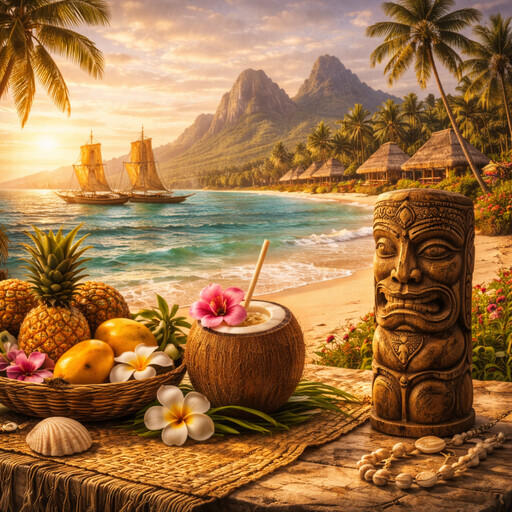
Polynesia
Island region of the Pacific Ocean