The Great Blue Hole is a circular marine sinkhole off the coast of Belize in the Caribbean Sea. About 300 meters across and 125 meters deep, it formed when ancient limestone caves collapsed as sea levels rose after the last Ice Age. Jacques Cousteau popularized the site in 1971, calling it one of the top scuba destinations in the world. Today, divers explore stalactites, reef sharks, and clear blue water inside Lighthouse Reef Atoll.
The sinkhole sits within the Belize Barrier Reef Reserve System, a UNESCO World Heritage Site. Coral formations ring the hole, supporting angelfish, groupers, turtles, and sponges. Deeper layers lack oxygen, creating dark zones where only specialized bacteria survive. Scientists map the hole using sonar, submersibles, and underwater drones to study sediment layers that reveal past climate cycles and hurricane history.
Tour operators from Belize City, Ambergris Caye, and Caye Caulker run day trips combining boat rides, snorkeling, and scuba diving. Guides brief visitors on safety, marine life, and buoyancy control to avoid disturbing corals. Snorkelers glide along the edges, while advanced divers descend past reef walls into caverns decorated with stalactites formed when the cave was dry.
Environmental stewardship is crucial because the Belize Barrier Reef faces threats from warming oceans, coral bleaching, and coastal development. Marine protected areas limit fishing, regulate anchor use, and require permits for dive boats. Scientists plant coral fragments, monitor water quality, and use satellite data to track bleaching events. Local educators teach students to identify reef species and practice reef-safe tourism.
Recent expeditions by the Aquatica Submarines team and Discovery Channel documented the deepest layers of the Great Blue Hole, discovering stalactite caves, a hydrogen sulfide cloud, and evidence of rising sea levels. These findings help researchers understand karst landscapes in tropical seas and emphasize why protecting Belize’s reefs is vital for biodiversity, tourism, and coastal resilience.
Great Blue Hole
Level
readlittle.com
Belize's circular marine sinkhole
What We Can Learn
- The Great Blue Hole formed when sea levels flooded ancient caves.
- Coral reefs around the sinkhole host sharks, turtles, and colorful fish.
- Dive tours require safety briefings, permits, and careful buoyancy control.
- UNESCO-listed protection addresses bleaching, fishing, and anchor damage.
- Scientific expeditions map stalactites, hydrogen sulfide layers, and climate records.
Related Reads
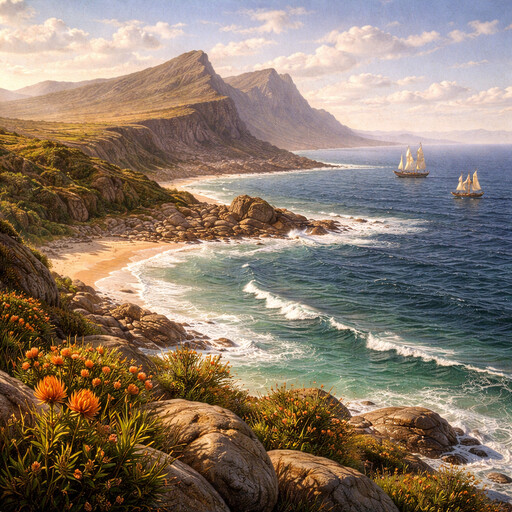
Cape of Good Hope
Southern headland of Africa
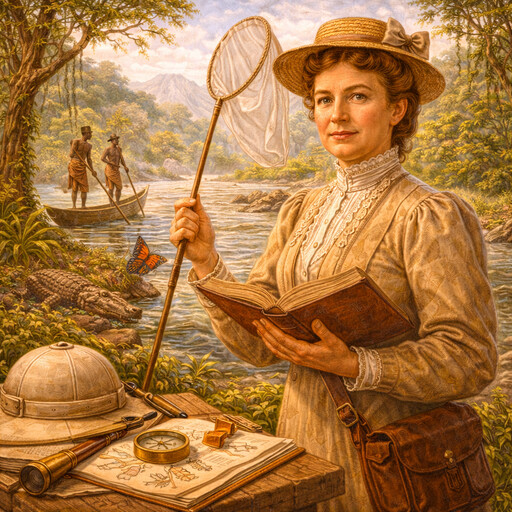
Mary Kingsley
British traveler and writer in West Africa
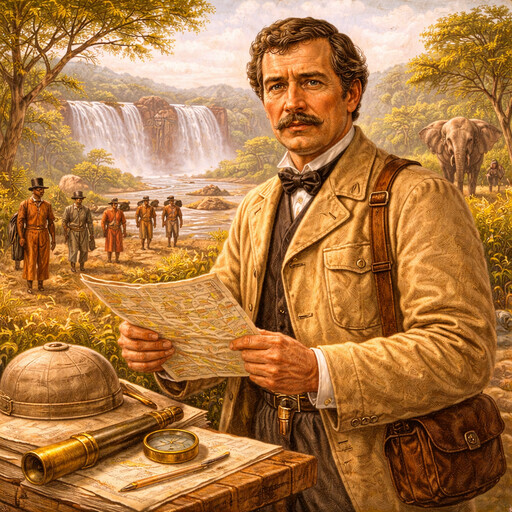
David Livingstone
Scottish explorer of Africa

Louisiana Purchase
A land deal that doubled the United States

Lewis and Clark Expedition
Exploring the land west of the Mississippi
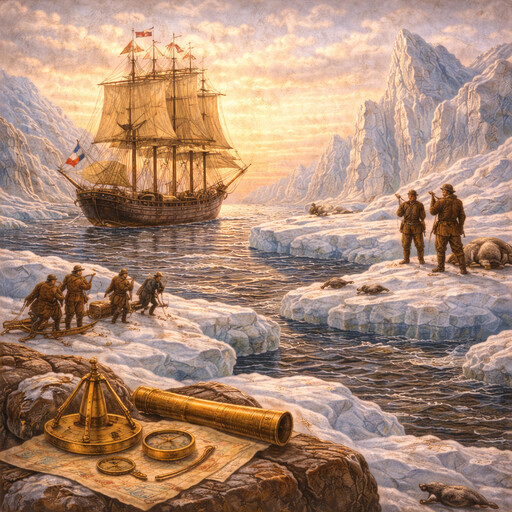
Northwest Passage
A sea route through Arctic waters
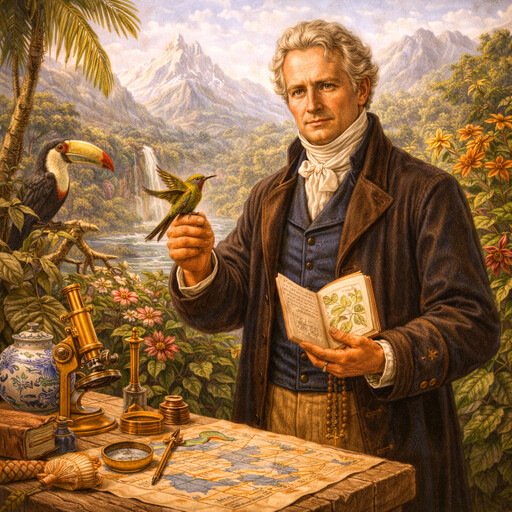
Alexander von Humboldt
Explorer of nature and the natural world

Ptolemy
Ancient scholar of astronomy and geography
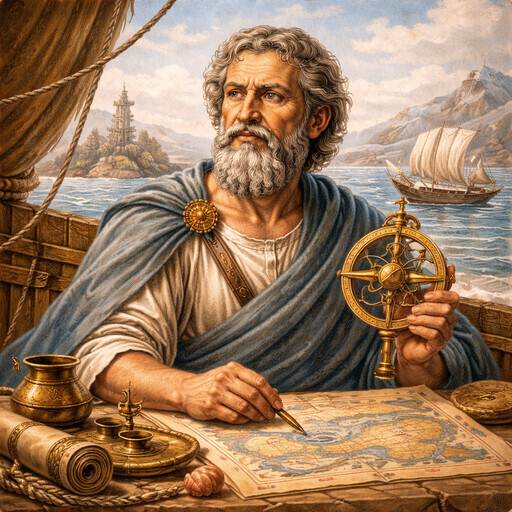
Pytheas
Greek explorer of the far north
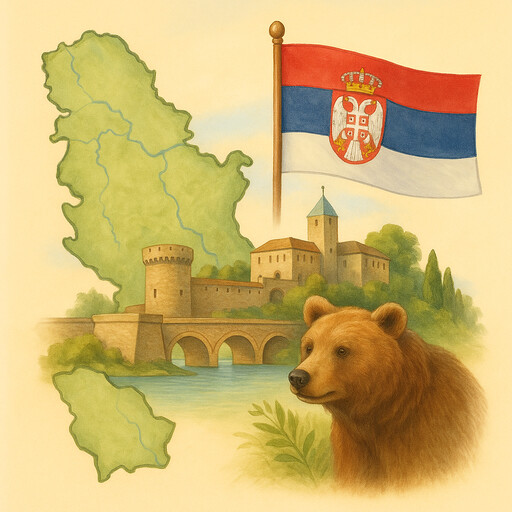
Serbia
A country in Southeast Europe
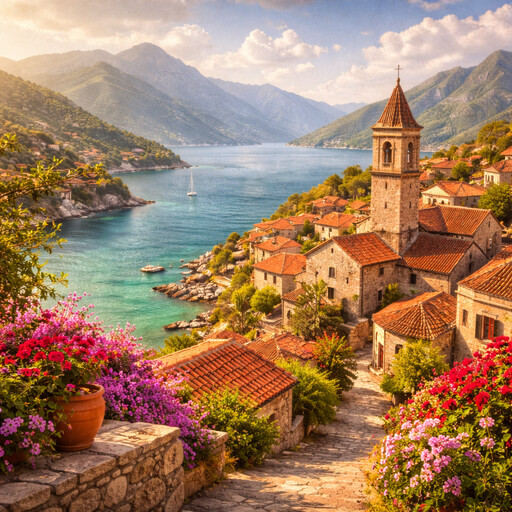
Balkans
Southeastern European region
Saint Petersburg
Historic city in northwest Russia