The Marble Caves (Cuevas de Mármol) carve into the shoreline of General Carrera Lake, which spans the border between Chile and Argentina in Patagonia. Waves rich with glacial silt have slowly sculpted blue, white, and gray patterns in the calcium-rich marble over thousands of years. Three main formations—the Marble Chapel, Marble Cathedral, and Marble Caves—feature swirling columns that reflect turquoise water like mirrors. Boat tours and kayaks depart from the small Chilean town of Puerto Río Tranquilo during calm weather.
The lake’s water level rises and falls with seasons and glacier melt, changing how sunlight enters each cavern. In summer, long days and low-angle light turn the chambers electric blue, while cloudy days emphasize the veins of gold and white. The marble itself formed from limestone metamorphosed under heat and pressure when the Andes uplifted. Geologists study how wave energy, mineral composition, and microfractures combine to create the polished appearance.
Because the caves sit in a remote region, visitor numbers remain relatively low, but guides still follow strict safety rules. Life jackets are required, engines idle at low power near the formations, and tours cancel during strong winds called “williwaws.” Rangers from Laguna San Rafael National Park monitor shoreline erosion, wildlife, and litter at the docking areas. Conservation campaigns encourage travelers to support local cooperatives and avoid scratching or carving the stone.
Local families host guesthouses, bakeries, and craft markets in Puerto Río Tranquilo. Artisans carve marble offcuts collected from legal quarries outside the protected zone, creating jewelry and sculptures inspired by the caves’ swirls. School visits teach students about metamorphic rocks, glacial lakes, and map-reading skills for navigating Patagonia’s rugged roads. Citizen scientists collect water samples to track how climate change affects glacial melt feeding the lake.
Infrastructure improvements, such as solar-powered docks, weather stations, and bilingual interpretive signs, aim to keep tourism sustainable. Authorities coordinate with indigenous communities and neighboring Argentina to manage fishing quotas and invasive species. By valuing science, local entrepreneurship, and respect for fragile stone, the Marble Caves remain a serene highlight of Patagonia’s landscape.
Marble Caves
Level
readlittle.com
Glacial lake cathedrals in Patagonia
What We Can Learn
- Marble Caves formed as wave-driven water carved colorful marble on General Carrera Lake.
- Light, seasons, and glacier-fed water create shifting hues inside the chambers.
- Guides enforce safety rules, while park rangers monitor erosion and litter.
- Local artisans, schools, and citizen scientists connect tourism with education and stewardship.
Related Reads

Johann Gottfried Herder
German thinker of culture and language

Ming dynasty
Chinese dynasty from 1368 to 1644
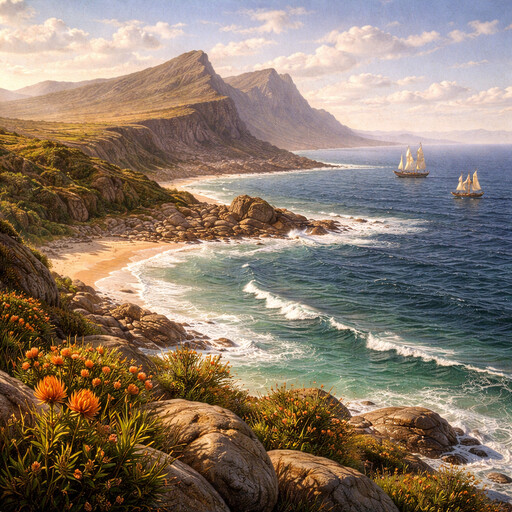
Cape of Good Hope
Southern headland of Africa
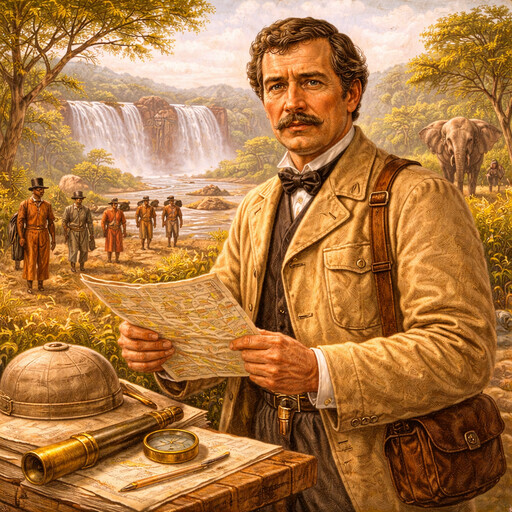
David Livingstone
Scottish explorer of Africa

Mary Kingsley
British traveler and writer in West Africa

Louisiana Purchase
A land deal that doubled the United States
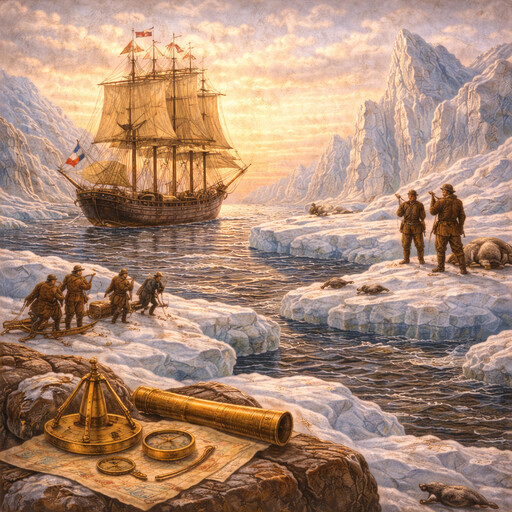
Northwest Passage
A sea route through Arctic waters

Alexander von Humboldt
Explorer of nature and the natural world

Lewis and Clark Expedition
Exploring the land west of the Mississippi

Pytheas
Greek explorer of the far north

Ptolemy
Ancient scholar of astronomy and geography
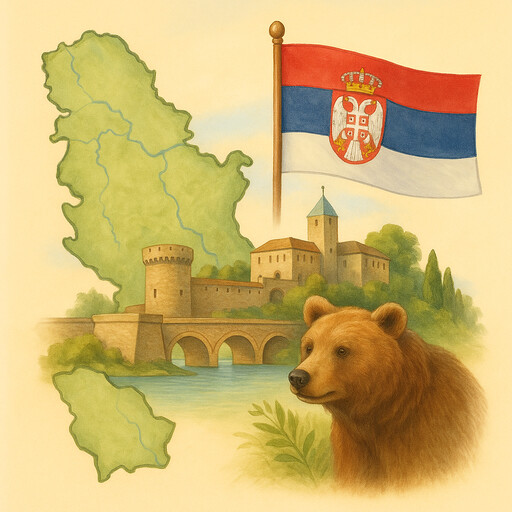
Serbia
A country in Southeast Europe