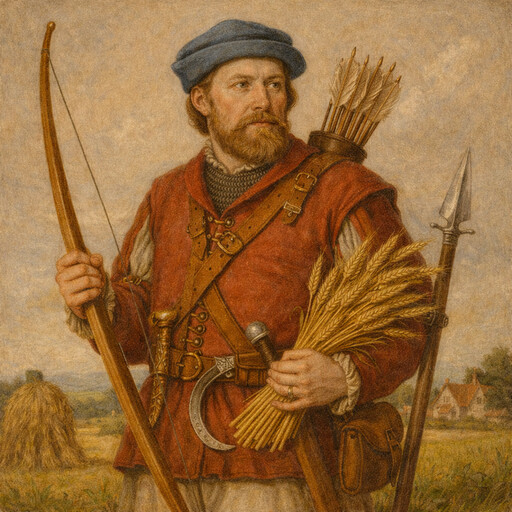
The Gaels are a people connected by the use of the Gaelic languages and by shared cultural traditions. They are found mainly in Ireland, Scotland, and the Isle of Man. The word Gael comes from an old Irish term for these people. Over time, the Gaels formed communities with similar speech, customs, and laws. Their history stretches back to ancient times.
Early Gaels spoke a language known as Old Irish. This language later developed into different forms. In Ireland it became Irish, also called Gaeilge. In Scotland it became Scottish Gaelic, known as Gàidhlig. On the Isle of Man it became Manx. These languages belong to the Celtic language family. A language family is a group of languages with a shared origin.
The Gaels lived in small kingdoms ruled by local kings. Society was organized around family groups called clans. A clan is a group of families believed to share a common ancestor. Clans controlled land and followed their own leaders. Laws were often passed down by spoken tradition rather than written texts. In Ireland, these laws are known today as Brehon laws.
From the early Middle Ages, Gaels interacted with other groups. Vikings arrived in Gaelic lands from the ninth century. Some Vikings settled and mixed with local people. Over time, new towns formed along the coasts. In later centuries, the Gaels came under pressure from expanding kingdoms such as England and from changes in government and land control.
Religion also played a role in Gaelic history. Christianity spread through Gaelic areas from the fifth century onward. Monasteries became centers of learning and writing. Gaelic monks copied religious texts and recorded stories. Some of the earliest written records of the Gaelic languages come from these monasteries.
Today, Gaelic culture continues in modern forms. Gaelic languages are still spoken, though by fewer people than in the past. Traditional music, stories, and festivals remain part of community life. Governments in Ireland, Scotland, and the Isle of Man support the use of Gaelic languages in schools and public life. The Gaels remain an important part of the history and identity of these regions.
Gaels
Level
readlittle.com
People of Gaelic language and culture
What We Can Learn
- The Gaels are linked by Gaelic languages
- They lived mainly in Ireland, Scotland, and the Isle of Man
- Gaelic society was organized around clans
- Gaelic culture continues today in language and traditions