A yeoman was a type of farmer in England from the Middle Ages through the early modern period. Yeomen were not nobles, but they were not poor laborers either. They usually owned their own land or held it on long leases. This gave them more independence than many other rural workers. Yeomen formed an important group in English society, especially in the countryside.
In medieval England, society was divided into clear social groups. At the top were nobles, such as lords and knights. Below them were yeomen, and below yeomen were laborers and servants. A laborer worked for wages and usually did not own land. A yeoman, by contrast, worked his own land and made decisions about farming and trade. This land ownership gave yeomen a stable place in local communities.
Yeomen were mainly involved in agriculture. They grew crops such as wheat, barley, and oats. They also raised animals like sheep and cattle. Many yeomen sold surplus food at local markets. Surplus means extra goods beyond what is needed for personal use. Because of this, yeomen were connected to both farming and trade. Their work supported towns and villages nearby.
Yeomen also had duties beyond farming. In times of war, yeomen could be called to serve as soldiers. Many served as archers, especially during the Middle Ages. English armies often relied on yeomen for their skill with the longbow. The longbow was a powerful weapon used in battles such as the Battle of Agincourt in 1415. Yeomen were valued for their training and physical strength.
Over time, the meaning of the word yeoman changed. In later centuries, it came to describe a respected working landowner rather than a specific legal class. The term was also used for certain roles in royal service. For example, the Yeomen of the Guard are ceremonial guards who protect the British monarch. These roles kept the name alive even as farming society changed.
By the eighteenth and nineteenth centuries, many changes in farming reduced the number of yeomen. Large farms became more common, and small landowners often sold their land. Some yeomen moved to towns or became tenant farmers. Although the traditional yeoman class declined, the term remains important in understanding English history and social structure. It describes a group that stood between nobility and laborers for many centuries.
Yeoman
Level
readlittle.com
Independent farmer and social class
What We Can Learn
- Yeomen were independent farmers in England
- They owned or leased their own land
- They formed a middle group in rural society
- The term changed meaning over time
Related Reads

Holodomor
Famine in Soviet Ukraine, 1932–1933
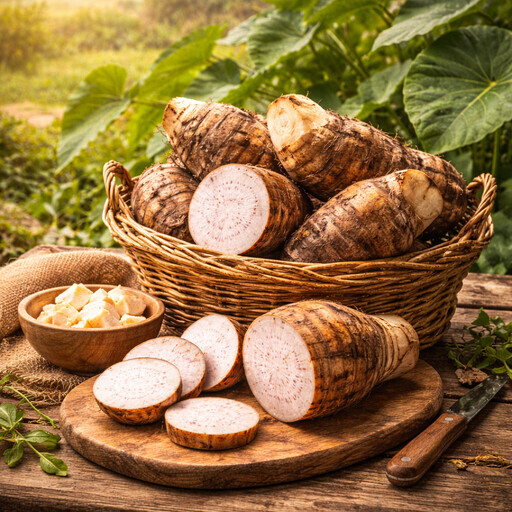
Taro
Starchy root crop grown in wet fields
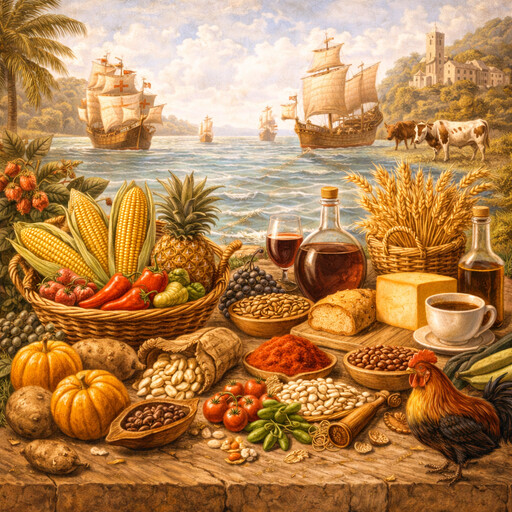
Columbian exchange
Global sharing after Atlantic contact
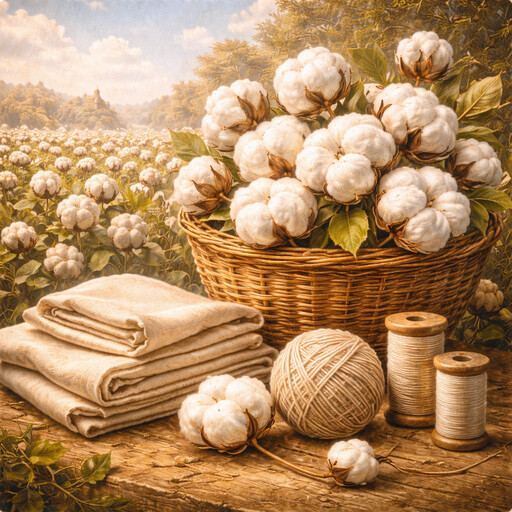
Cotton
A natural fiber from plants

George Washington Carver
American scientist and agricultural researcher
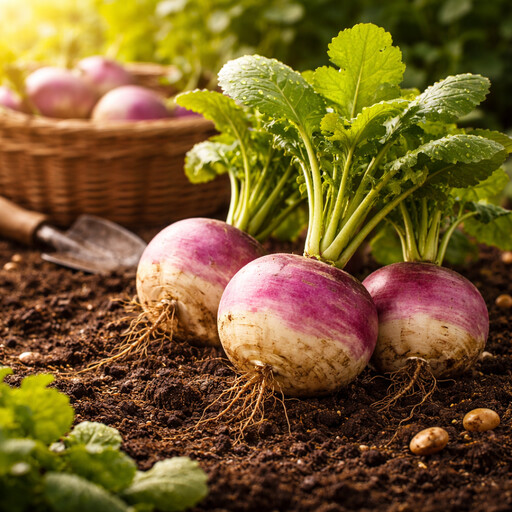
Turnip
A root vegetable grown worldwide
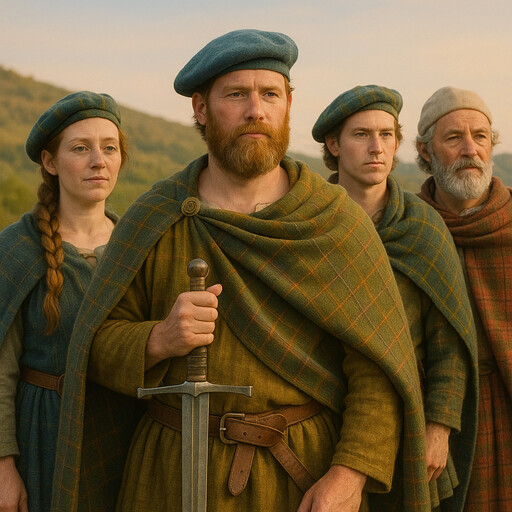
Gaels
People of Gaelic language and culture
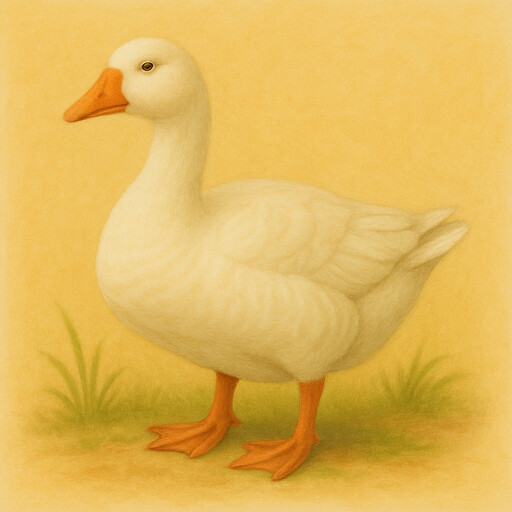
Goose
Vigilant guardians of lakes and skies
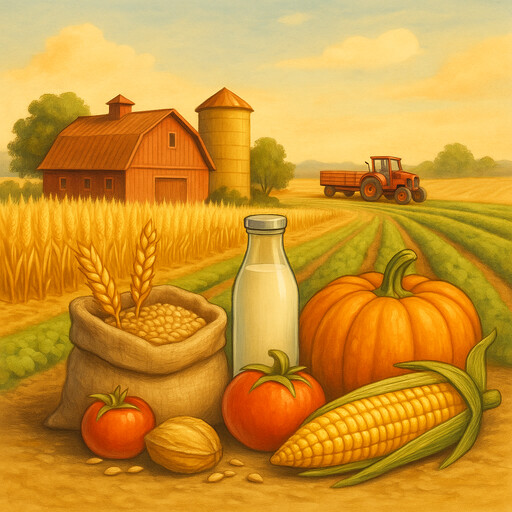
Agriculture
Growing plants and raising animals

Mount Etna
Europe's fiery Sicilian giant

Mount Vesuvius
Volcano guarding the Bay of Naples
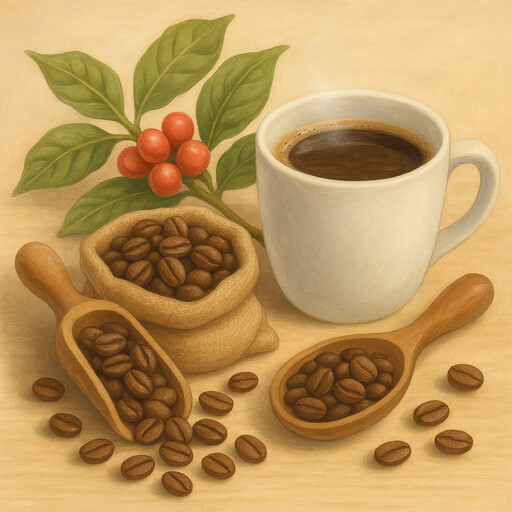
Coffee
From mountain cherry to morning mug