Society is a group of people who live together in an organized way. Members of a society share laws, traditions, values, and systems that help them cooperate and meet their needs. Societies can be small, such as a village, or very large, like a nation. They are built around human relationships and the ways people interact with one another in daily life.
Every society has rules and institutions that keep it organized. Rules are created to guide behavior and help people live peacefully. Institutions such as governments, schools, families, and religions play important roles in maintaining order. For example, schools teach children skills and knowledge, while governments make and enforce laws that protect citizens. These institutions work together to support the structure of society.
Societies can be different from one another depending on their history, culture, and environment. Some societies are based on farming, while others focus on trade, industry, or technology. For example, ancient societies often depended on agriculture, while modern societies may rely on machines and digital communication. Despite these differences, all societies need cooperation among people to function well.
Within a society, people belong to smaller groups called communities. These can be based on family, work, interests, or location. Communities give people a sense of belonging and help them share resources and responsibilities. People in a society may also follow shared customs—such as celebrations, greetings, or dress—that reflect their culture and identity.
communication and cooperation are key parts of how a society works. People share ideas, trade goods, and help one another in order to meet their needs. Over time, societies develop systems such as education, health care, and transport to improve the lives of their members. Changes in technology and communication have made modern societies more connected around the world.
Studying societies helps people understand how humans organize themselves and how social systems evolve. Fields such as sociology and anthropology study how people live together, make rules, and build cultures. By learning about societies, we can better understand how communities develop and how humans depend on one another to live and grow.
Society
Level
readlittle.com
A group of people living together
What We Can Learn
- A society is a group of people living in an organized way.
- Societies have rules, institutions, and systems that guide life.
- People in a society form communities and share customs.
- Cooperation and communication help societies work and grow.
Related Reads

Johann Gottfried Herder
German thinker of culture and language
No image
Monarchy
Government ruled by a royal family
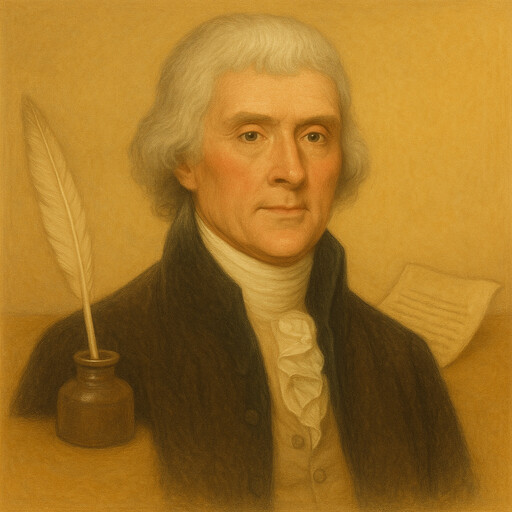
Thomas Jefferson
Author and third U.S. president

Ming dynasty
Chinese dynasty from 1368 to 1644
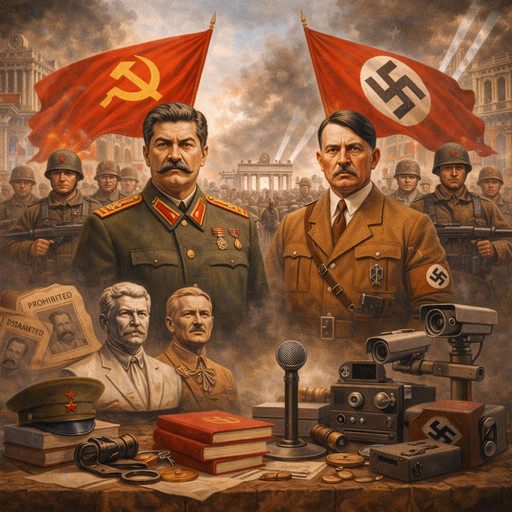
Totalitarianism
A system of complete state control

Internet
Global network connecting computers worldwide

Smartphone
Mobile phone with advanced computing features

Han dynasty
Long-lasting dynasty of ancient China

Nationalism
Idea linking people to a shared nation

Qin dynasty
First imperial dynasty of China
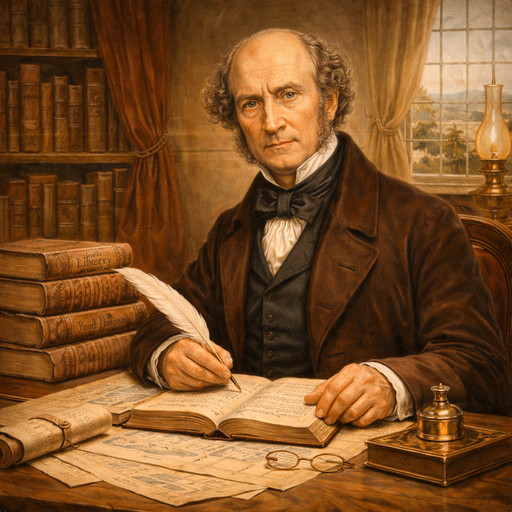
John Stuart Mill
British thinker on society and freedom

Jeremy Bentham
British thinker on law and society