Goat is a hardy browser that can nibble leaves, shrubs, and weeds other livestock avoid. Early herders in the Middle East domesticated wild ibex for their milk and quick reflexes, later spreading goats across mountains, islands, and desert farms. Modern goats supply cheese, yogurt, butterfat-rich milk, kid meat, and fibers such as cashmere and mohair. Because they prefer brushy plants, goats are often deployed in "green firefighting" crews that clear dry vegetation along powerlines and parks.
A goat’s cloven hooves and rubbery pads grip steep cliffs, allowing them to balance on narrow ledges. Flexible upper lips and strong jaws strip thorny branches without injury. Herds communicate through bleats, tail wags, and playful head butts, while mothers and kids recognize each other’s voices within hours of birth. Curious goats investigate new objects with their mouths, so farmers secure fences and provide chew-safe toys to prevent mischief.
Dairy goats produce milk rich in medium-chain fats that many people find easier to digest than cow’s milk. Milking happens twice daily, followed by filtering and chilling to keep flavors fresh. Fiber breeds grow silky coats that require gentle combing and seasonal shearing. Meat goats, such as Boer goats, thrive on pastures and become part of cultural dishes served at holidays and family celebrations.
Goats need clean water, mineral blocks, shade, and shelter from rain or snow. Rotational grazing prevents overbrowsing and keeps parasites in check. Vaccinations, hoof trimming, and periodic worming maintain health, while good fencing protects goats from predators and keeps them from tasting garden flowers. Because goats are social, they should live with other goats or compatible livestock to reduce stress and destructive behaviors.
Around the world, goats symbolize independence and resourcefulness. Folktales feature clever goats escaping tricky situations, and science classrooms study goat pupils—which are rectangular—to learn how vision adapts to wide landscapes. By respecting their curiosity and providing enriching environments, people enjoy the milk, fiber, and land stewardship goats willingly offer.
Goat
Level
readlittle.com
Sure-footed climbers with curious appetites
What We Can Learn
- Goats descend from ibex and thrive on rough forage and steep terrain.
- They provide milk, meat, and fiber while helping clear invasive plants.
- Proper fencing, minerals, and herd companionship keep goats healthy.
- Cultural stories and foods celebrate goats’ clever nature.
Related Reads
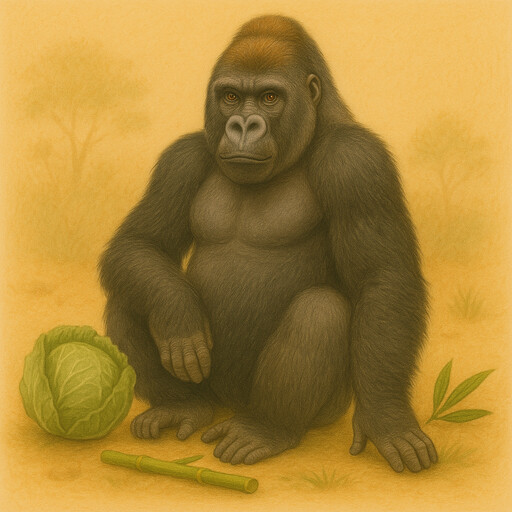
Gorilla
Forest gardeners with gentle strength
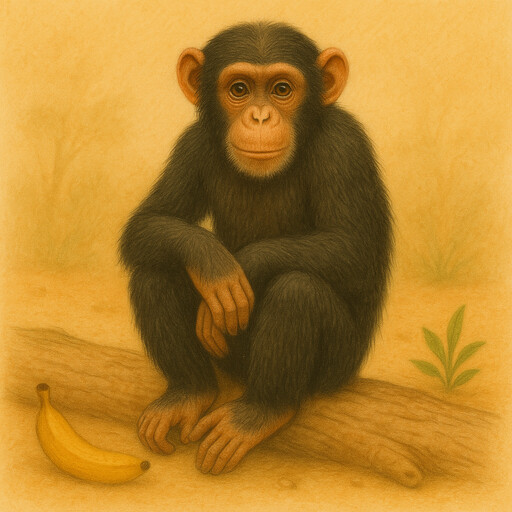
Chimpanzee
Inventive problem-solvers of African forests
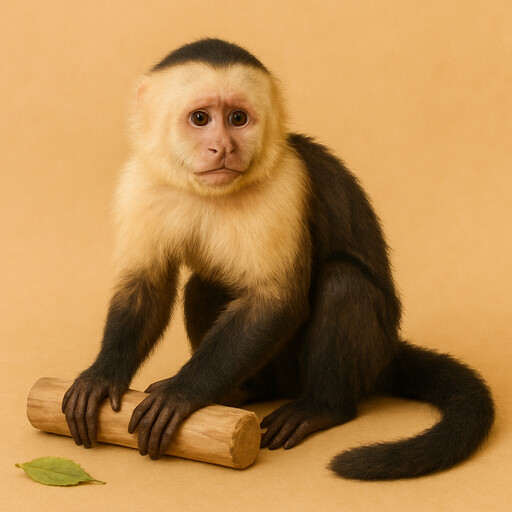
Capuchin
Quick-handed monkeys of the Americas
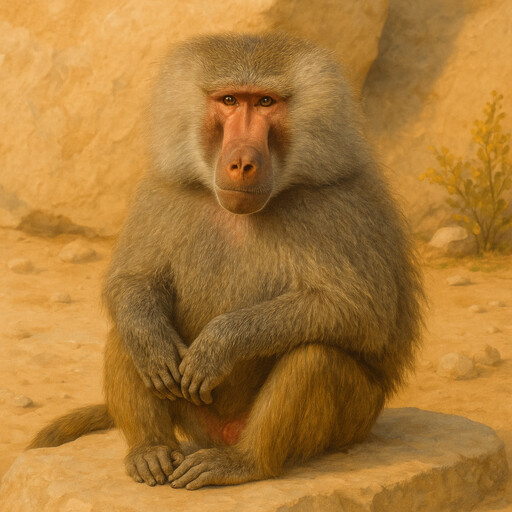
Baboon
Savanna troubleshooters

Tayra
Restless hunters of the Neotropics
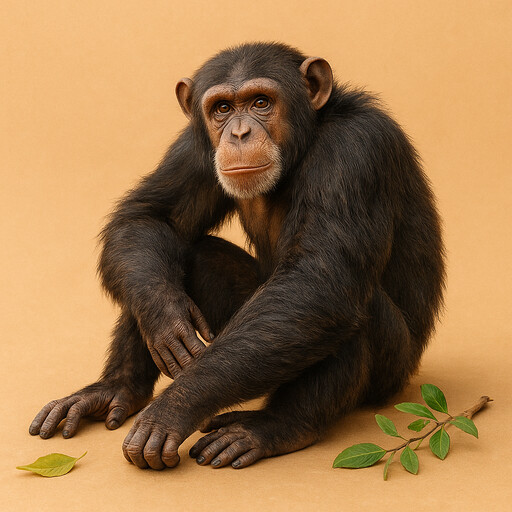
Ape
Tailless primates with flexible minds
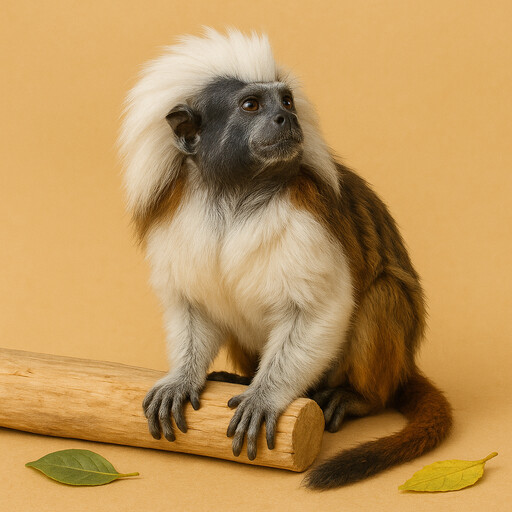
Tamarin
Tiny monkeys with bold mustaches
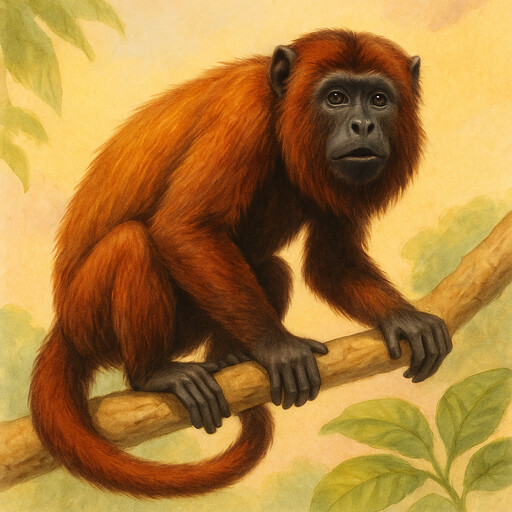
Howler monkey
Rainforest alarm bells
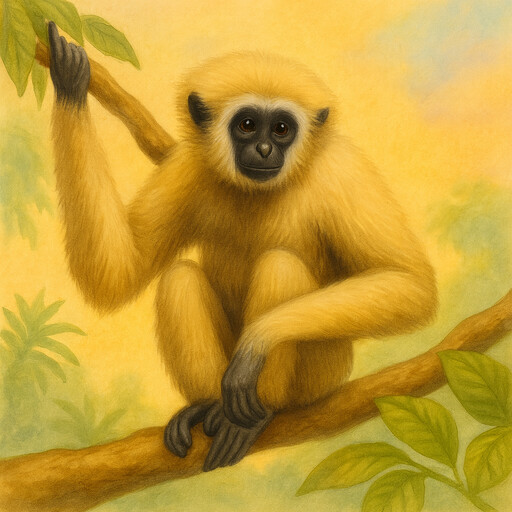
Gibbon
Singing acrobats of the canopy
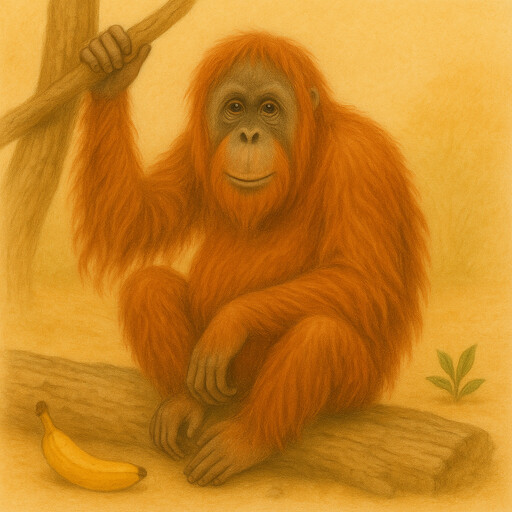
Orangutan
Solitary engineers of the canopy
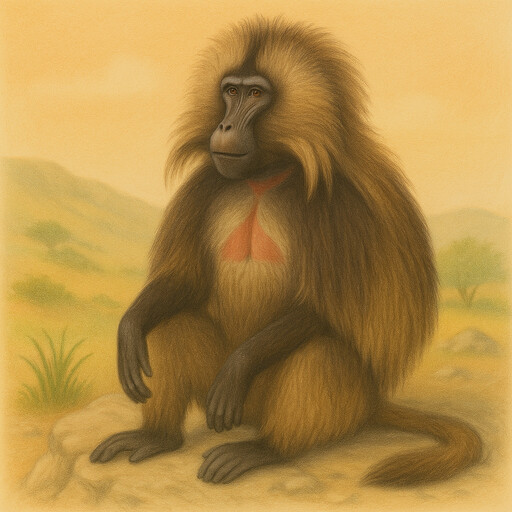
Gelada
Grass-eating monkeys of the highlands
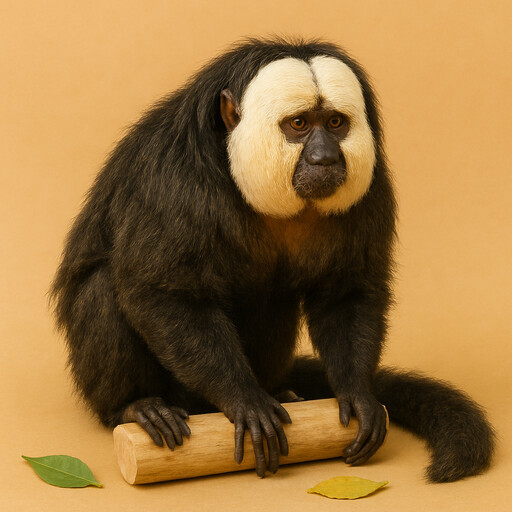
Saki
Shaggy-tailed seed eaters