Sakis inhabit flooded forests and upland rainforests from the Guianas to western Brazil. Their bodies are covered in long, shaggy fur that keeps rain off the skin, while bushy tails act like rudders for balance. Male white-faced sakis have striking pale masks contrasting with black coats. Despite appearances, sakis rarely glide; instead they make daring leaps between trunks, landing on powerful hind legs like springs.
Teeth and jaws define the genus. Sakis possess strong incisors that slice into unripe fruit and seeds that other monkeys leave untouched. They chew through Brazil nuts, palm nuts, and tough pods, spitting out shells while swallowing the softer centers. During high-water seasons, they move through the mid-canopy to reach flowers and insects over flooded rivers. When the forest dries, they descend to understory vines to raid berry clusters.
Social groups are usually small family units made up of a mated pair and their offspring. Pairs strengthen bonds by intertwining tails while resting and by sharing food items. Their calls include whistles, chirps, and low growls that warn rivals away from feeding trees. Predators such as harpy eagles and ocelots force the monkeys to stay alert; any alarm triggers an explosive jump to the next tree.
Deforestation, gold mining, and bushmeat hunting threaten sakis, especially species confined to small ranges. Conservationists map flooded forest refuges, support river patrols, and partner with Indigenous communities that manage waterways sustainably. Ecotourism lodges showcase saki-watching trips that highlight the role these monkeys play in dispersing large seeds that rebuild forests after floods.
Saki
Level
readlittle.com
Shaggy-tailed seed eaters
What We Can Learn
- Sakis wear shaggy fur and leap through flooded Amazonian forests.
- Strong jaws and teeth let them crack nuts and tough fruit.
- Families are small, often just a pair with young that communicate with whistles and growls.
- Protecting flooded forests and Indigenous-managed rivers safeguards saki populations.
Related Reads
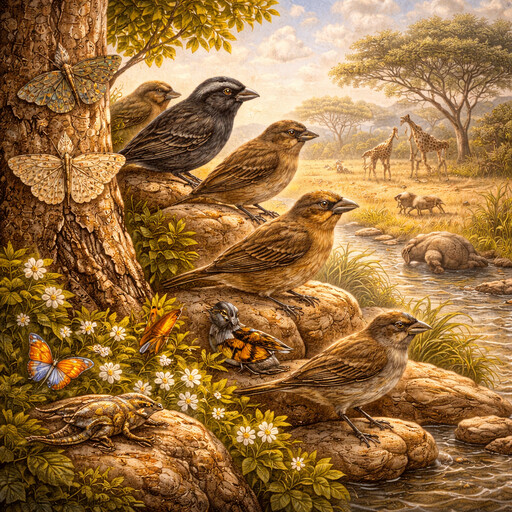
Natural selection
How living things change over time

Internet
Global network connecting computers worldwide

Smartphone
Mobile phone with advanced computing features
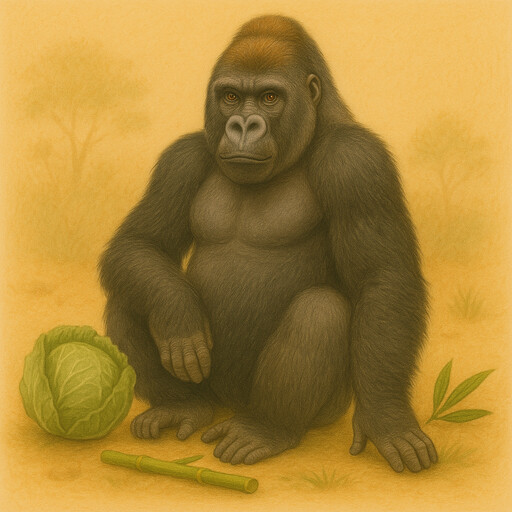
Gorilla
Forest gardeners with gentle strength
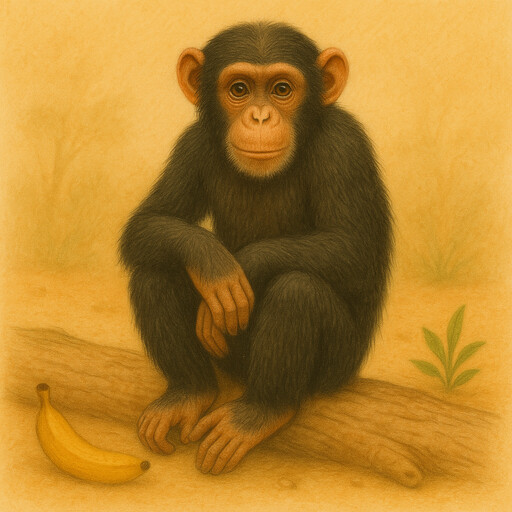
Chimpanzee
Inventive problem-solvers of African forests
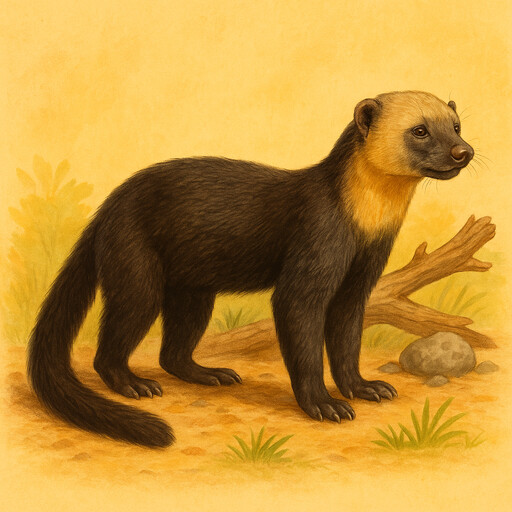
Tayra
Restless hunters of the Neotropics
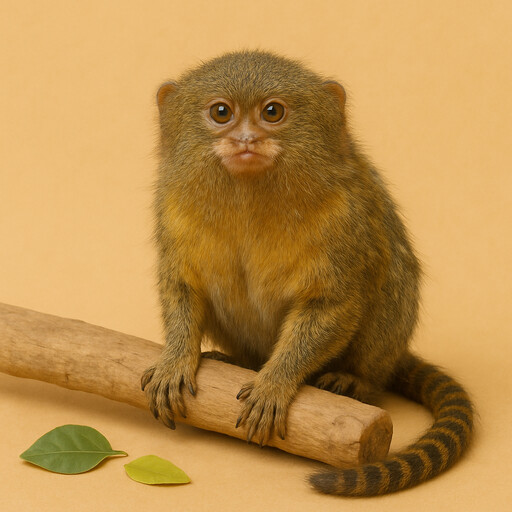
Pygmy marmoset
Thumb-sized sap specialist
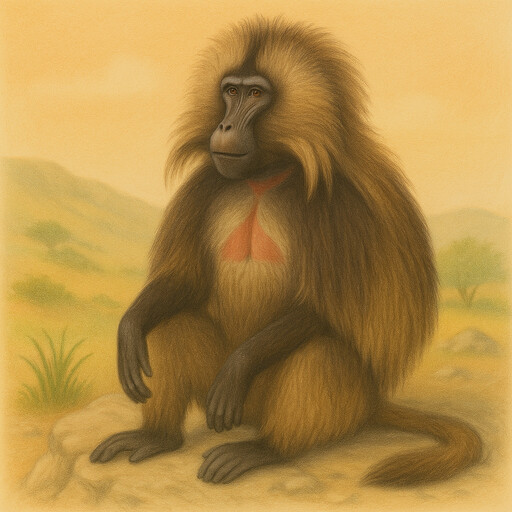
Gelada
Grass-eating monkeys of the highlands
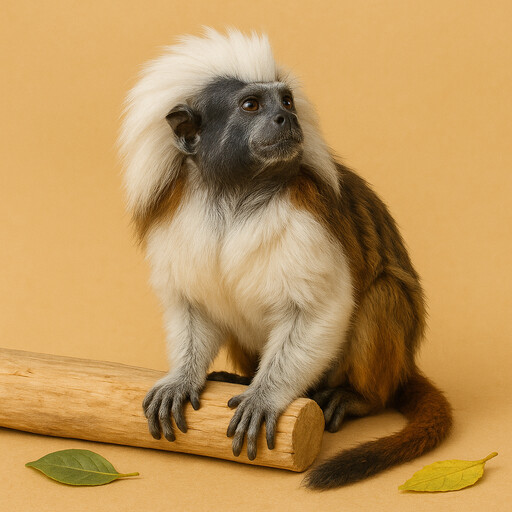
Tamarin
Tiny monkeys with bold mustaches
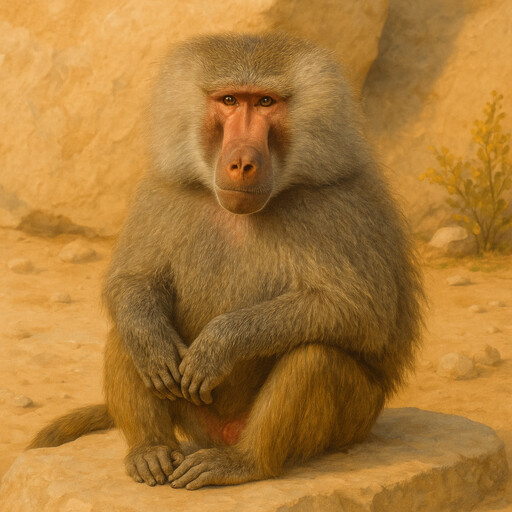
Baboon
Savanna troubleshooters
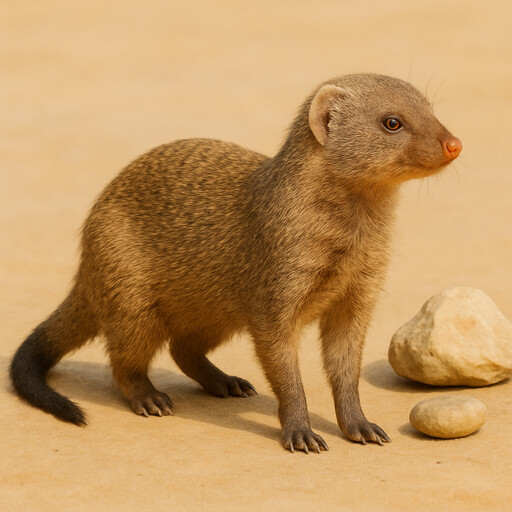
Mongoose
Quick hunters with shared dens
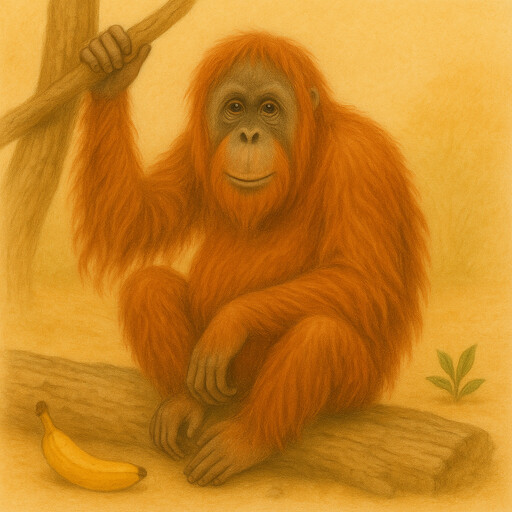
Orangutan
Solitary engineers of the canopy