The Hubble Space Telescope is a space-based telescope that observes stars, planets, galaxies, and other objects beyond Earth. It orbits Earth above the atmosphere, which allows it to see space more clearly than ground telescopes. Earth’s atmosphere blurs and blocks some light. By operating in space, Hubble can collect sharper images and more detailed data. The telescope is named after the astronomer Edwin Hubble, who showed that galaxies exist beyond the Milky Way.
Hubble was launched on April 24, 1990, aboard the Space Shuttle Discovery. It was placed into a low Earth orbit about 540 kilometers above the surface. The telescope completes one orbit around Earth about every 95 minutes. Hubble is about the size of a bus and uses a large mirror to collect light. Light enters the telescope and is focused onto scientific instruments that record images and measurements.
Soon after launch, scientists discovered a problem with Hubble’s main mirror. The mirror had a small shape error that caused blurry images. In 1993, astronauts carried out a repair mission using the Space Shuttle. They installed new instruments that corrected the problem. After this mission, Hubble began sending back clear images. Several later servicing missions upgraded its cameras, computers, and other parts.
Hubble observes space in different types of light, including visible light and ultraviolet light. Visible light is the kind humans can see. Ultraviolet light has shorter wavelengths and cannot pass through Earth’s atmosphere. By studying different light types, Hubble helps scientists measure distance, temperature, and motion in space. It has observed objects in the solar system, such as planets and moons, as well as very distant galaxies.
One important area of Hubble’s work involves galaxies. Hubble has taken images of deep space regions that contain thousands of galaxies. These images show galaxies at different stages of development. The telescope has also helped measure the rate at which the universe is expanding. Expansion means that galaxies are moving away from each other over time. These measurements build on the earlier work of Edwin Hubble.
Hubble continues to operate decades after launch. It is controlled from Earth by teams that plan observations and receive data. Although newer space telescopes have been launched, Hubble remains active and productive. Its long service life is due in part to the repair missions and careful operation. Hubble’s observations form a large record of space images and data used by scientists around the world.
Hubble Space Telescope
Level
readlittle.com
Space telescope orbiting Earth
What We Can Learn
- Hubble orbits Earth above the atmosphere
- It was launched in 1990 aboard a Space Shuttle
- Astronauts repaired and upgraded it in space
- It observes space in multiple types of light
Related Reads
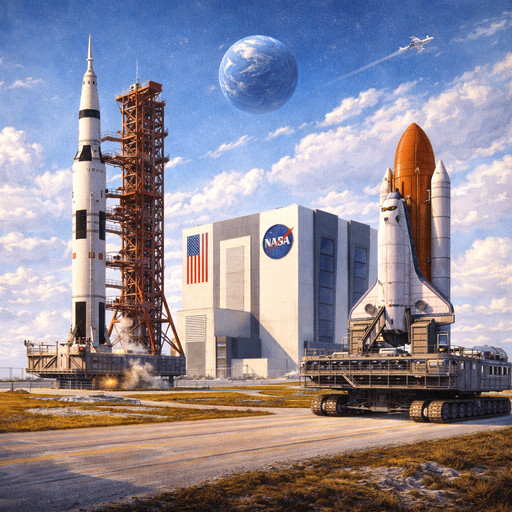
NASA
United States space agency
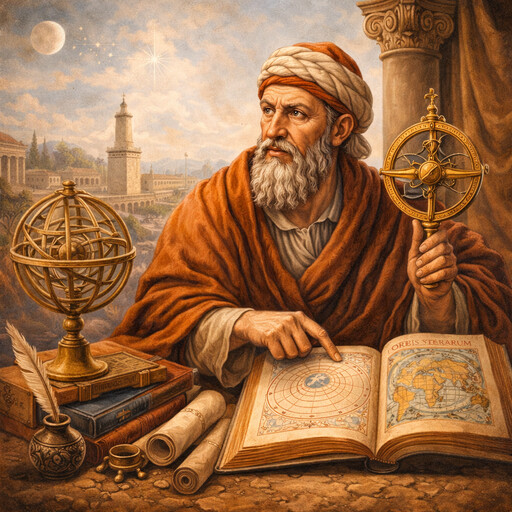
Ptolemy
Ancient scholar of astronomy and geography
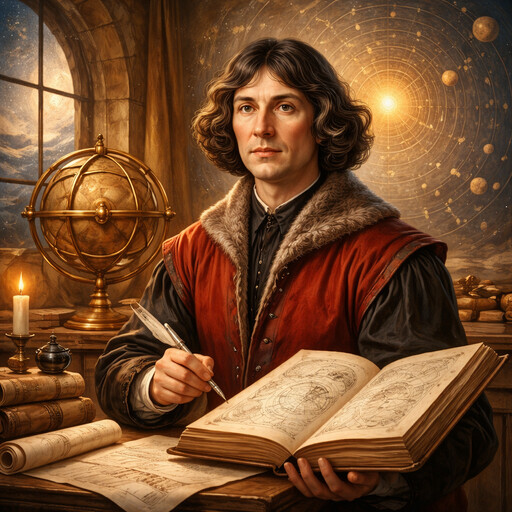
Nicolaus Copernicus
Astronomer who placed the Sun at center
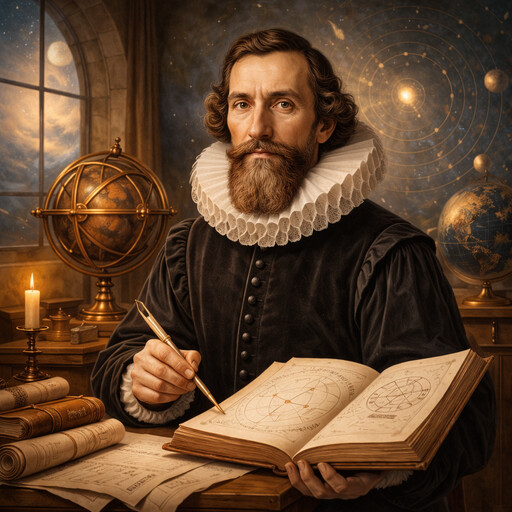
Johannes Kepler
Astronomer who described planet motion
Supernova
Powerful explosion of a dying star
Galileo Galilei
Early observer of the skies
Nebula
Clouds of gas and dust in space
Exoplanet
Planets beyond our solar system
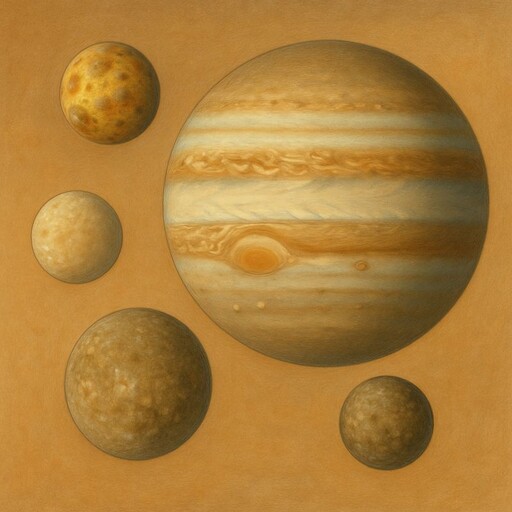
Galilean moons
Four large moons of Jupiter

Atacama Desert
Chile's hyper-arid science frontier

Uluru
Sacred sandstone monolith in Australia's Red Centre
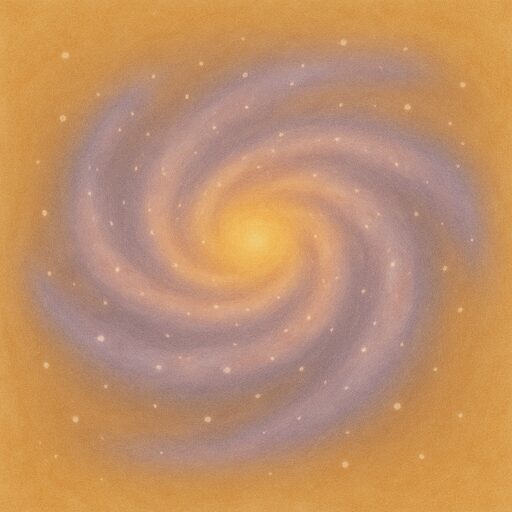
Galaxy
A vast system of stars and cosmic matter