A supernova is a powerful explosion that marks the final stage in the life of certain stars. During a supernova, a star suddenly becomes extremely bright and releases a large amount of energy. For a short time, the explosion can outshine an entire galaxy. After the event, the star is changed or destroyed. The word supernova comes from Latin words meaning "new star," because ancient observers saw a bright new point of light appear in the sky.
Stars exist for long periods by producing energy in their centers. This energy comes from nuclear reactions that push outward against gravity. Gravity is the force that pulls matter together. When a star runs out of fuel, this balance changes. The star can no longer support itself in the same way. What happens next depends mainly on the mass of the star, which is the amount of matter it contains.
One type of supernova occurs in very large stars. These stars are many times heavier than the Sun. When such a star runs out of fuel, its core collapses under gravity. The outer layers then fall inward and rebound outward in a huge explosion. This type is often called a core-collapse supernova. After the explosion, the remaining core may become a neutron star or a black hole, depending on its mass.
Another type of supernova involves a white dwarf star. A white dwarf is the small, dense core left behind after a Sun-like star sheds its outer layers. If a white dwarf is part of a close pair of stars, it can pull gas from its companion. When it gains too much mass, a sudden explosion occurs. This is known as a Type Ia supernova. In this case, the white dwarf is completely destroyed.
Supernovae play an important role in space by spreading elements. Elements such as iron and calcium are created during the explosion. These materials are thrown into space and mix with gas and dust. Over time, this material becomes part of new stars, planets, and other objects. A cloud of gas and dust left behind by a supernova is called a supernova remnant.
Supernovae have been observed and recorded for many centuries. One well-known event was seen in the year 1054 and was recorded by astronomers in China and other regions. The remains of this explosion are now called the Crab Nebula. Today, modern telescopes allow astronomers to detect supernovae in distant galaxies and study their light to learn more about stars and the structure of the universe.
Supernova
Level
readlittle.com
Powerful explosion of a dying star
What We Can Learn
- A supernova is a powerful explosion of a star
- It happens when certain stars reach the end of their life
- There are different types based on how the explosion occurs
- Supernovae spread elements into space
Related Reads
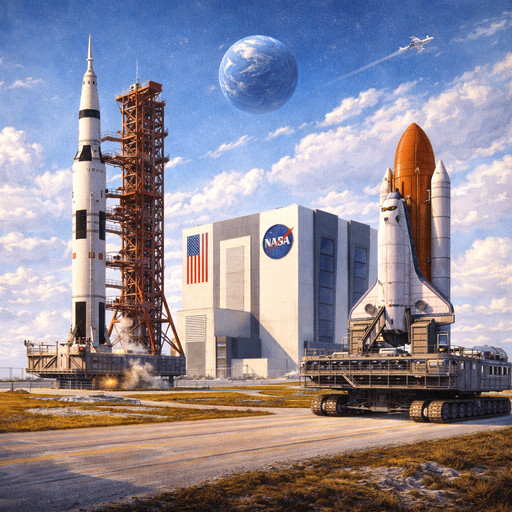
NASA
United States space agency
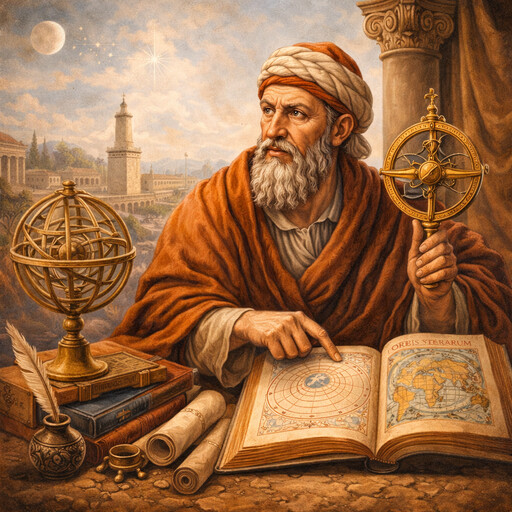
Ptolemy
Ancient scholar of astronomy and geography
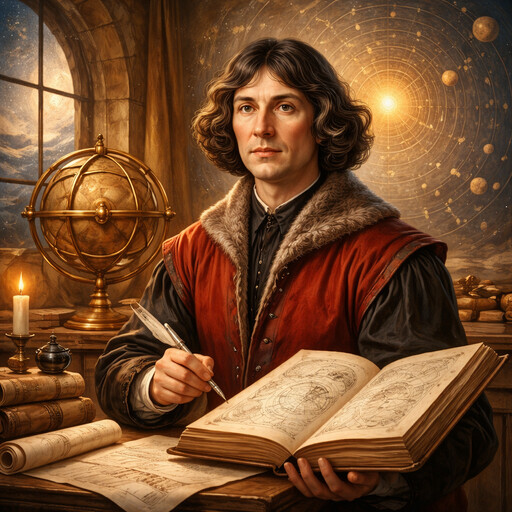
Nicolaus Copernicus
Astronomer who placed the Sun at center
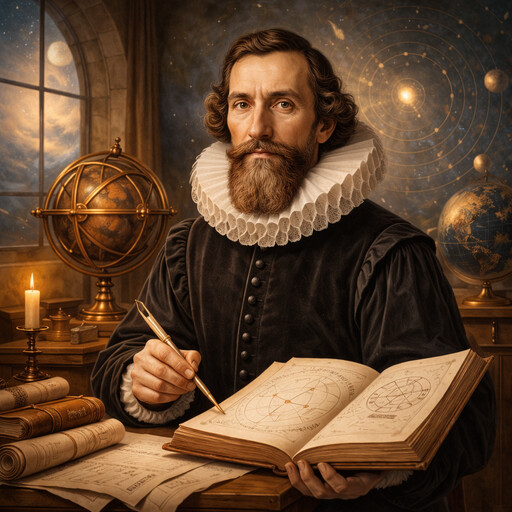
Johannes Kepler
Astronomer who described planet motion
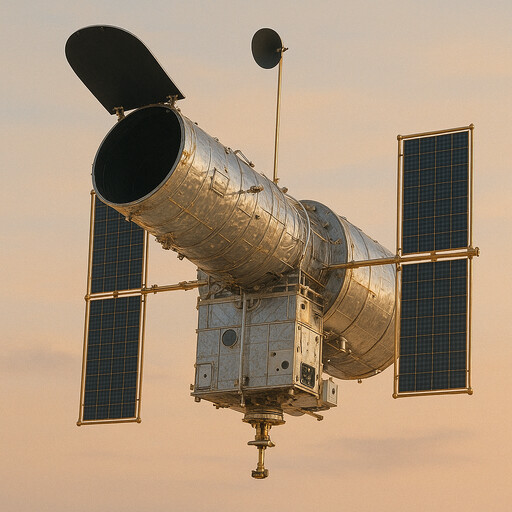
Hubble Space Telescope
Space telescope orbiting Earth
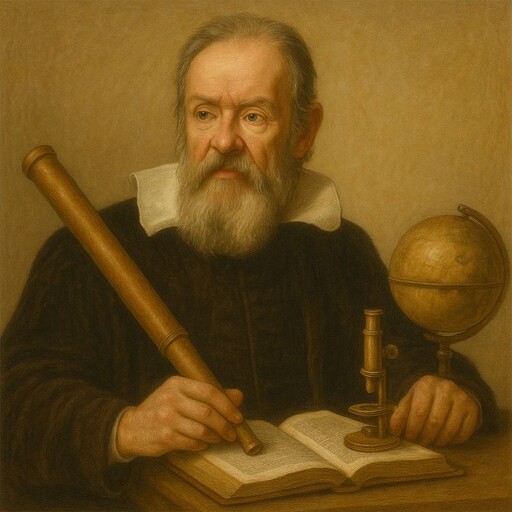
Galileo Galilei
Early observer of the skies
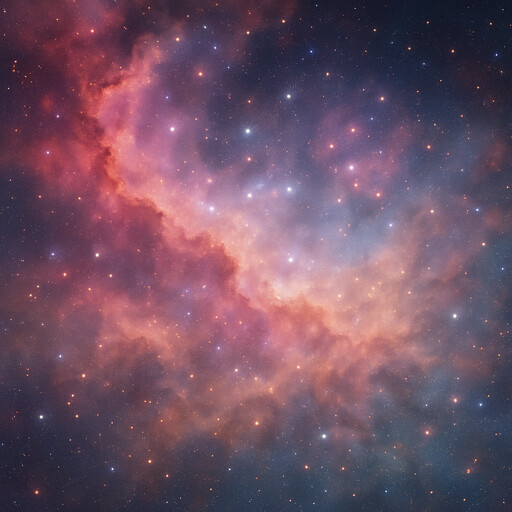
Nebula
Clouds of gas and dust in space
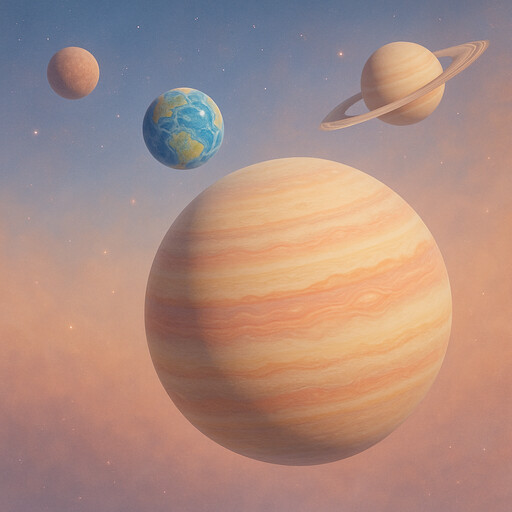
Exoplanet
Planets beyond our solar system
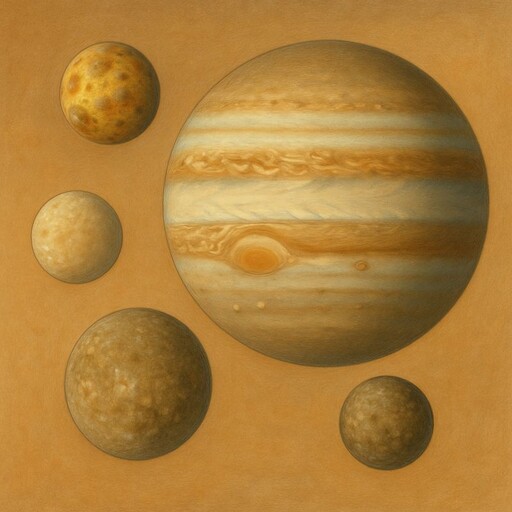
Galilean moons
Four large moons of Jupiter
Atacama Desert
Chile's hyper-arid science frontier
Uluru
Sacred sandstone monolith in Australia's Red Centre
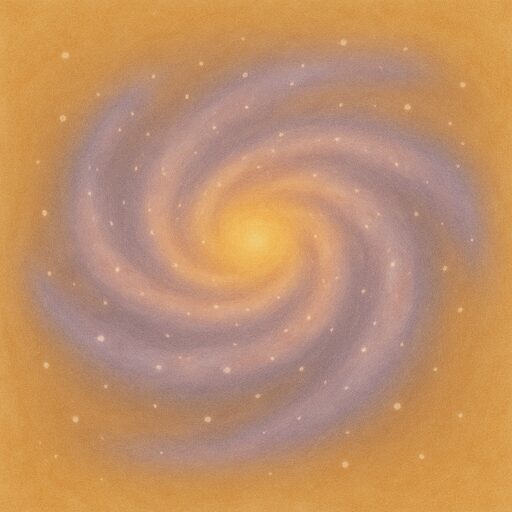
Galaxy
A vast system of stars and cosmic matter