An exoplanet is a planet that orbits a star other than the Sun. The word comes from the prefix exo-, meaning "outside." Exoplanets are found far beyond our solar system, which includes Earth and the other planets that orbit the Sun. They are located around distant stars in the Milky Way galaxy. Because they are very far away and often small compared to stars, exoplanets are difficult to see directly.
For many centuries, planets were only known within our own solar system. Scientists suspected that other stars might have planets, but there was no clear proof. The first confirmed discovery of an exoplanet orbiting a Sun-like star was announced in 1995. The planet was named 51 Pegasi b. It orbits a star called 51 Pegasi. This discovery showed that planets can form around other stars.
Most exoplanets are found using indirect methods. One common method is the transit method. A transit happens when a planet passes in front of its star as seen from Earth. During a transit, the star appears slightly dimmer. Another method is the radial velocity method. This method measures small movements of a star caused by the pull of an orbiting planet. These methods allow scientists to estimate a planet’s size and mass.
Exoplanets come in many types. Some are rocky, like Earth, while others are made mostly of gas, like Jupiter. Very large gas planets that orbit close to their stars are called hot Jupiters. Some exoplanets orbit very close to their stars and complete an orbit in only a few days. Others orbit much farther away. There are also planets that do not orbit any star. These are called rogue planets.
Some exoplanets are found in a region called the habitable zone. This is the area around a star where temperatures could allow liquid water to exist on a planet’s surface. Liquid water is important for many known chemical processes. Being in the habitable zone does not mean a planet has life. It only describes the distance from the star and possible temperature conditions.
Space telescopes have played a major role in finding exoplanets. The Kepler Space Telescope discovered thousands of candidates by observing star brightness over time. Later missions continued this work. As technology improves, scientists can study exoplanet atmospheres by analyzing light from their stars. This helps identify gases such as hydrogen, carbon dioxide, and water vapor. Research on exoplanets continues as new planets are identified each year.
Exoplanet
Level
readlittle.com
Planets beyond our solar system
What We Can Learn
- An exoplanet orbits a star outside our solar system
- The first confirmed exoplanet was announced in 1995
- Most exoplanets are found using indirect methods
- Exoplanets vary widely in size and type
Related Reads
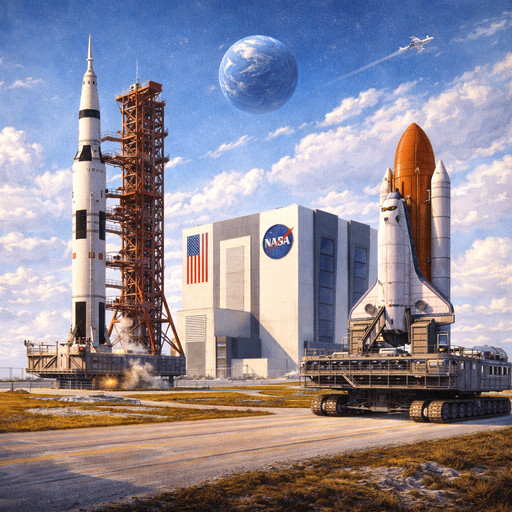
NASA
United States space agency
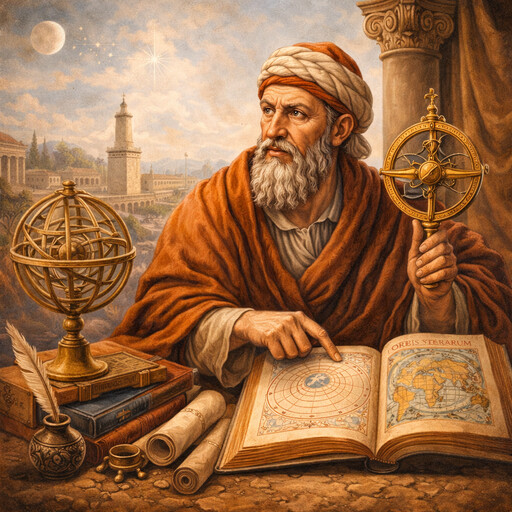
Ptolemy
Ancient scholar of astronomy and geography

Gravity
Force that pulls objects together

Nicolaus Copernicus
Astronomer who placed the Sun at center

Johannes Kepler
Astronomer who described planet motion
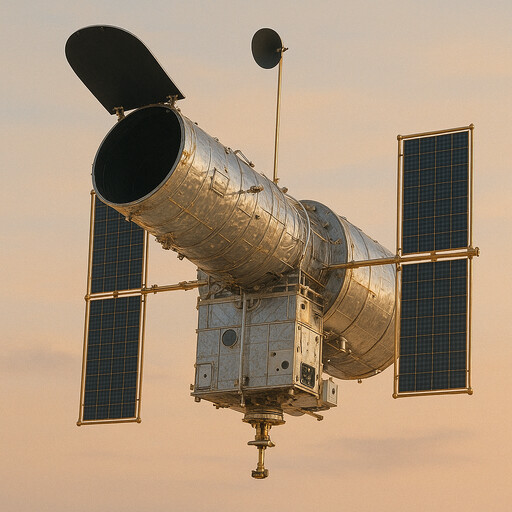
Hubble Space Telescope
Space telescope orbiting Earth
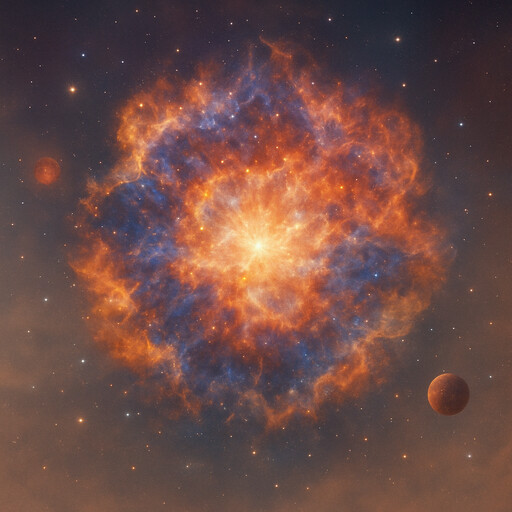
Supernova
Powerful explosion of a dying star
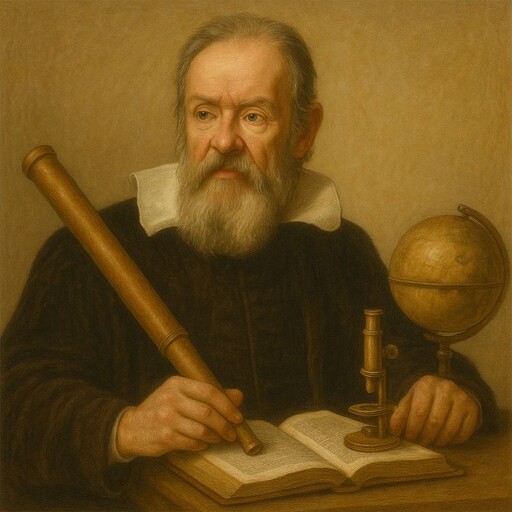
Galileo Galilei
Early observer of the skies
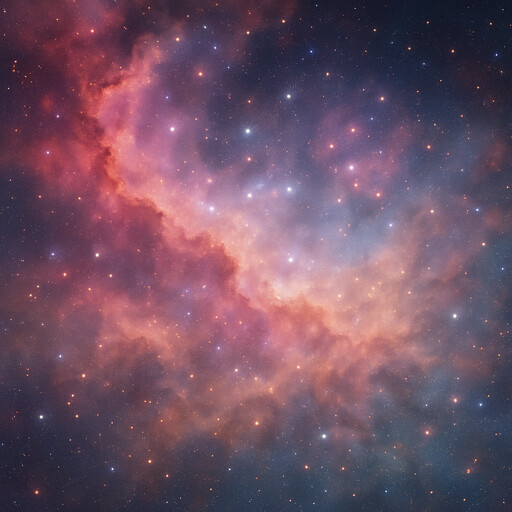
Nebula
Clouds of gas and dust in space
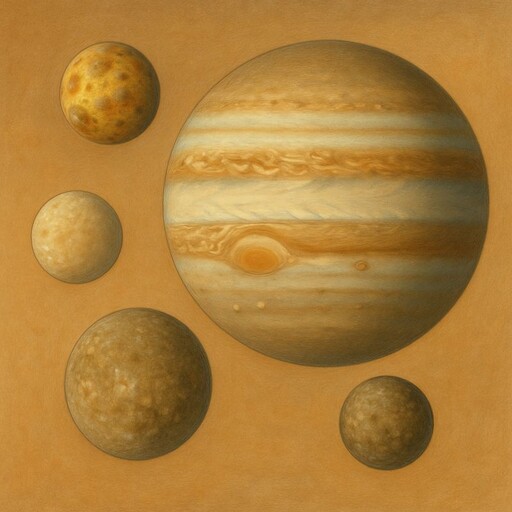
Galilean moons
Four large moons of Jupiter

Atacama Desert
Chile's hyper-arid science frontier

Uluru
Sacred sandstone monolith in Australia's Red Centre