A planet is a large object in space that orbits, or moves around, a star. In our solar-system, the star is the sun, and there are eight planets that travel around it. These planets are, in order from the Sun: mercury, venus, earth, mars, jupiter, saturn, uranus, and neptune. Each planet takes a different amount of time to complete one orbit around the Sun, which is called a year.
To be called a planet, an object must meet three main rules: it must orbit a star, it must be large enough for gravity to make it round, and it must have cleared its path of other objects. These rules were set by the International Astronomical Union (IAU) in 2006. Because of these rules, pluto is no longer called a planet but a dwarf planet, since it shares its orbit with other small objects.
Planets can be divided into two main types: rocky planets and gas giants. The four rocky planets—Mercury, Venus, Earth, and Mars—are smaller, have solid surfaces, and are closer to the Sun. The gas giants—Jupiter, Saturn, Uranus, and Neptune—are much larger and mostly made of gases like hydrogen and helium. These outer planets often have many moons and large systems of rings made of ice, dust, and rock.
Planets form from clouds of gas and dust around young stars. Over millions of years, particles stick together to create larger and larger bodies. gravity pulls them into round shapes, and their orbits become stable. This process is called planet formation and is part of how a solar system develops.
Earth is the only known planet with life, as it has the right balance of temperature, water, and air. However, scientists continue to search for signs of life on other planets or their moons. Telescopes and space probes help us study planets both in our Solar System and far beyond. Planets found around other stars are called exoplanets. Thousands of exoplanets have been discovered, showing that planets are common in the universe.
Planets have been studied for thousands of years. Ancient astronomers could see five of them—Mercury, Venus, Mars, Jupiter, and Saturn—with the naked eye. Today, modern technology allows scientists to learn more about what planets are made of, how they move, and whether some could support life. Understanding planets helps us learn more about the universe and our own place within it.
Planet
Level
readlittle.com
Large body that orbits a star
What We Can Learn
- A planet is a large, round object that orbits a star.
- There are eight planets in our Solar System.
- Planets can be rocky or made mostly of gas.
- Scientists also study exoplanets around distant stars.
Related Reads
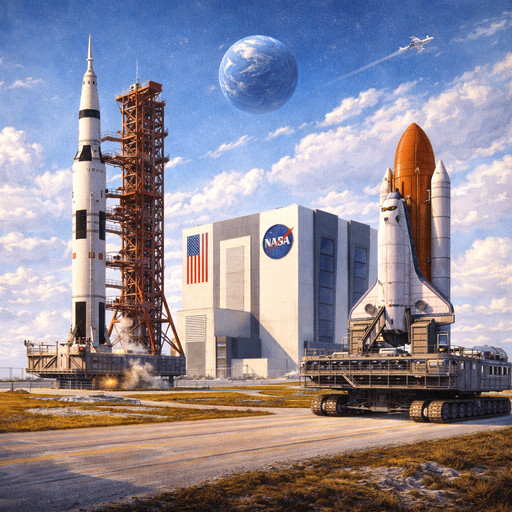
NASA
United States space agency
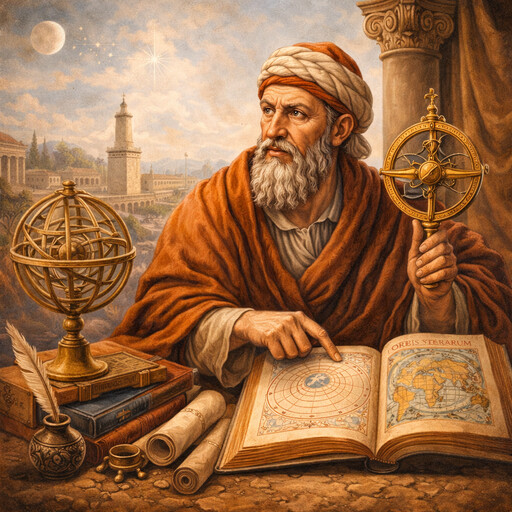
Ptolemy
Ancient scholar of astronomy and geography

Gravity
Force that pulls objects together
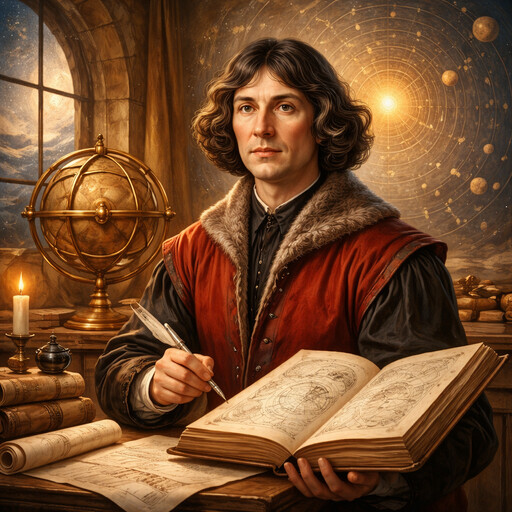
Nicolaus Copernicus
Astronomer who placed the Sun at center
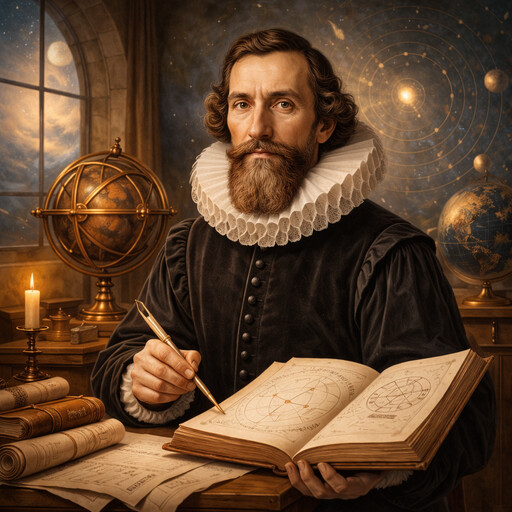
Johannes Kepler
Astronomer who described planet motion
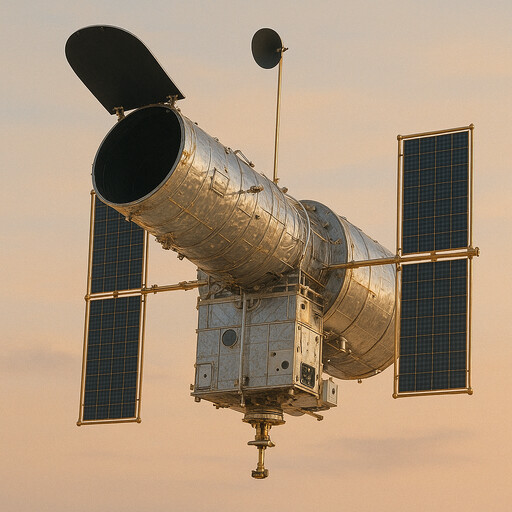
Hubble Space Telescope
Space telescope orbiting Earth
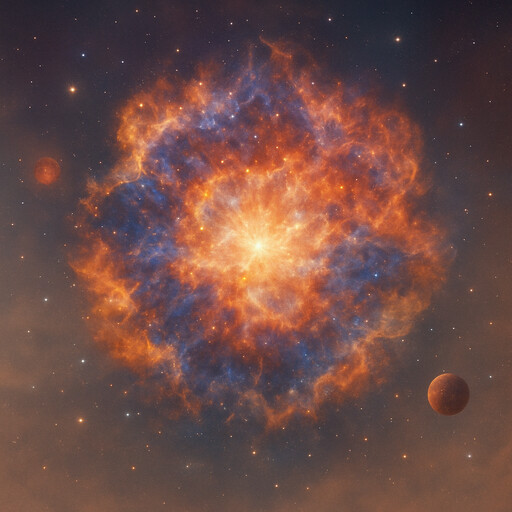
Supernova
Powerful explosion of a dying star
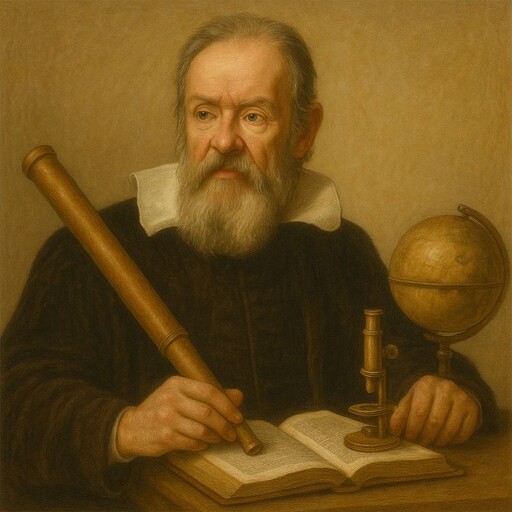
Galileo Galilei
Early observer of the skies
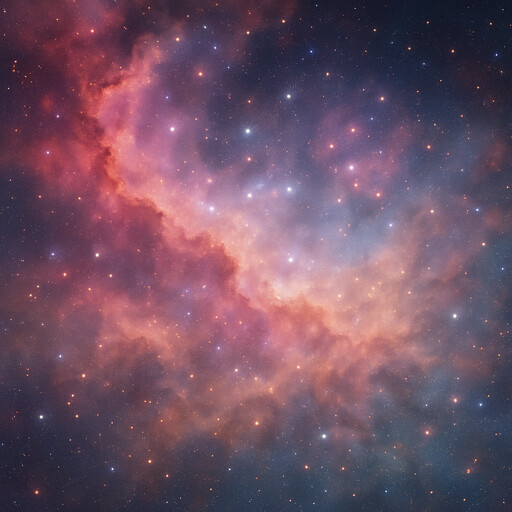
Nebula
Clouds of gas and dust in space
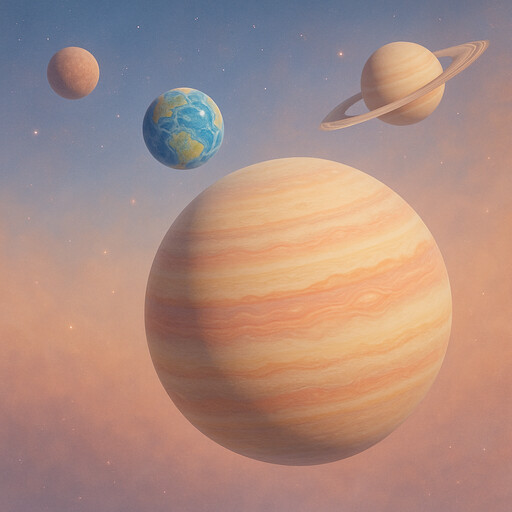
Exoplanet
Planets beyond our solar system
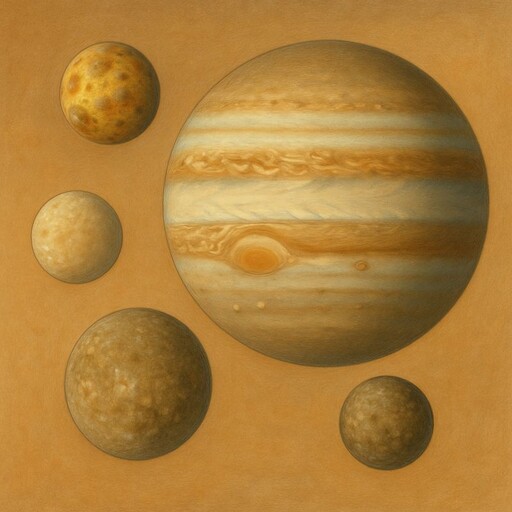
Galilean moons
Four large moons of Jupiter
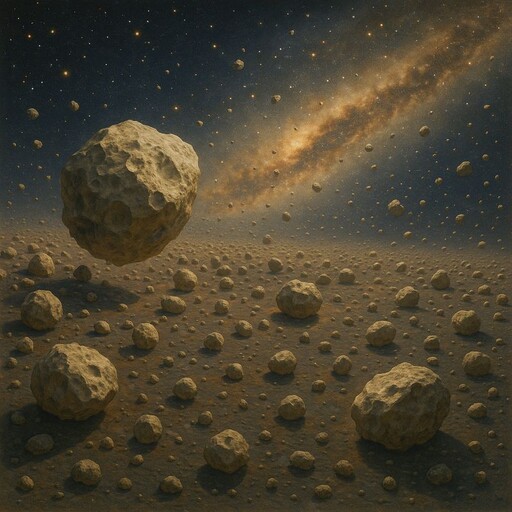
Asteroid belt
Region of rocky bodies in space