A star is a massive, glowing ball of hot gas found in space. Stars are mostly made of hydrogen and helium, the two lightest elements. They shine because deep inside them, hydrogen atoms join together in a process called nuclear fusion, which releases a great amount of energy in the form of light and heat. The closest star to earth is the sun, which is vital for all living things on our planet.
Stars form from large clouds of gas and dust called nebulae. gravity pulls parts of these clouds together until they become dense and hot enough for fusion to begin. Once fusion starts, the new star begins to shine. Stars can form in groups, creating star clusters and galaxies. They come in many colors and sizes, depending on their temperature and mass. Blue stars are very hot, while red stars are cooler.
A star’s life depends on its size. Small stars, like red dwarfs, burn slowly and can live for billions of years. Medium-sized stars, like the Sun, spend most of their lives in a stable phase called the main sequence. Over time, they expand into red giants, then shed their outer layers, leaving behind a small, dense core called a white dwarf.
Massive stars have a shorter but more dramatic life. After using up their fuel, they explode in a powerful event called a supernova. What remains after such an explosion can become either a neutron star or a black hole, depending on the star’s mass. These final stages help create new elements that spread through space, forming material for new stars and planets.
Stars can appear in different patterns called constellations. People have observed and named these patterns for thousands of years, using them to help navigate or tell stories. For example, the constellation Orion is one of the most well-known and easily recognizable in the night sky.
Astronomers study stars using telescopes that can detect different kinds of light, such as visible, infrared, or X-rays. By studying starlight, scientists can learn a star’s temperature, size, age, and what it’s made of. Stars are essential to the structure of galaxies and to the cycle of matter in the universe, creating the elements that make up planets and living things.
Star
Level
readlittle.com
A glowing ball of gas in space
What We Can Learn
- Stars are massive balls of hot gas that shine from nuclear fusion.
- The Sun is the nearest star and supports life on Earth.
- Stars form from clouds of gas and dust called nebulae.
- Stars have different sizes, colors, and life cycles based on their mass.
Related Reads
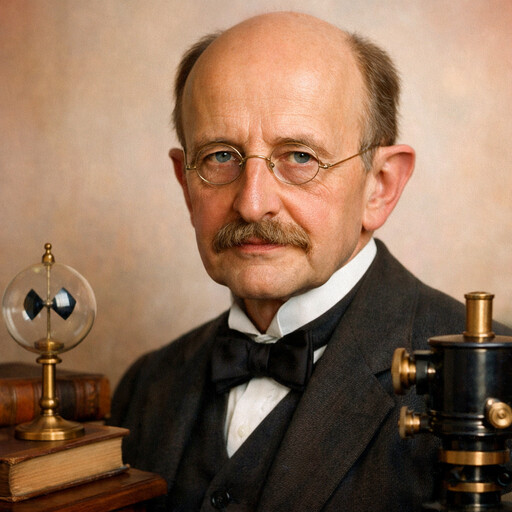
Max Planck
Founder of quantum theory
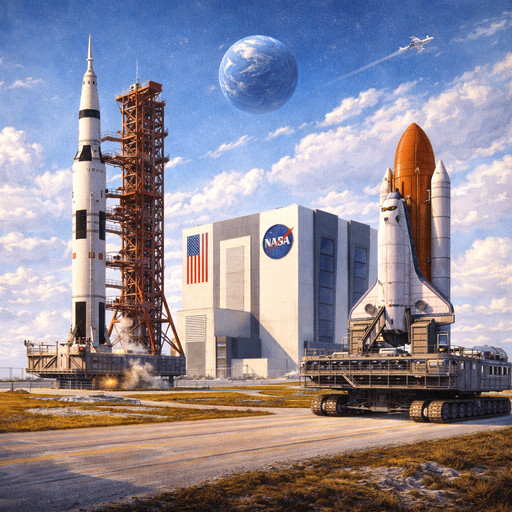
NASA
United States space agency
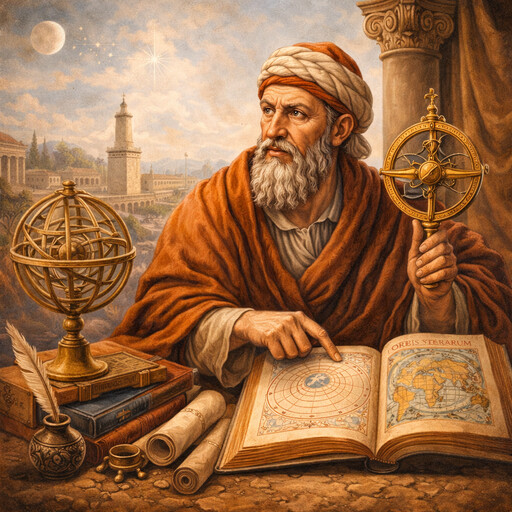
Ptolemy
Ancient scholar of astronomy and geography
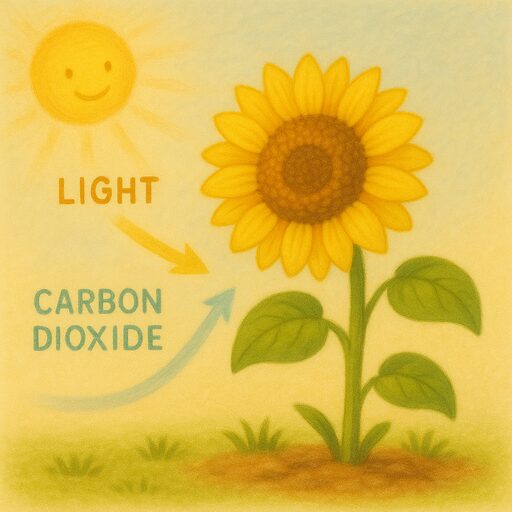
Photosynthesis
How plants make food using light

Gravity
Force that pulls objects together
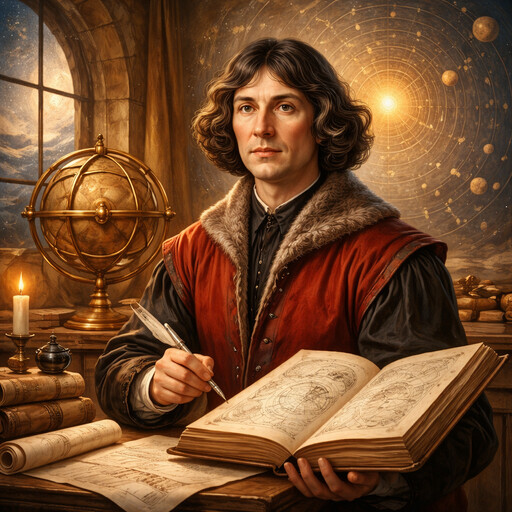
Nicolaus Copernicus
Astronomer who placed the Sun at center
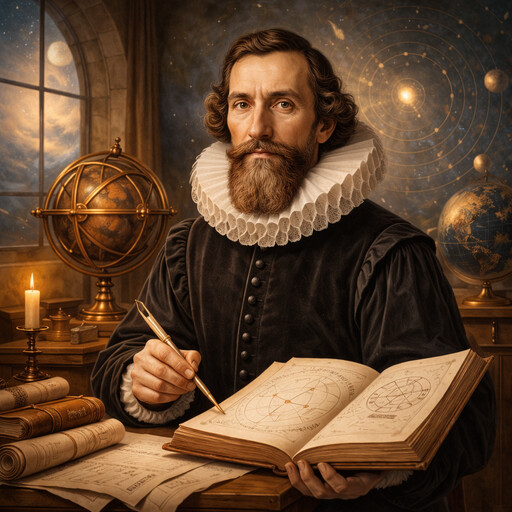
Johannes Kepler
Astronomer who described planet motion
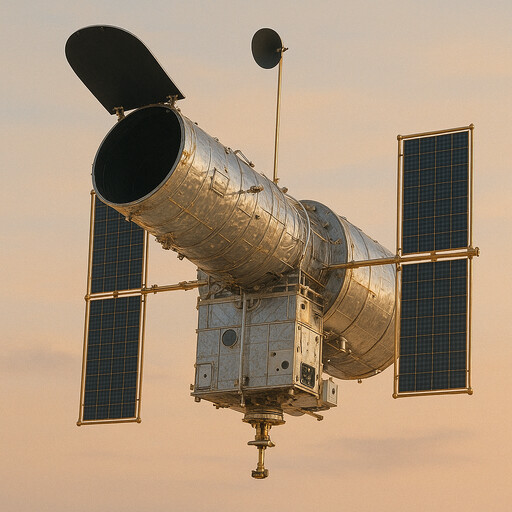
Hubble Space Telescope
Space telescope orbiting Earth
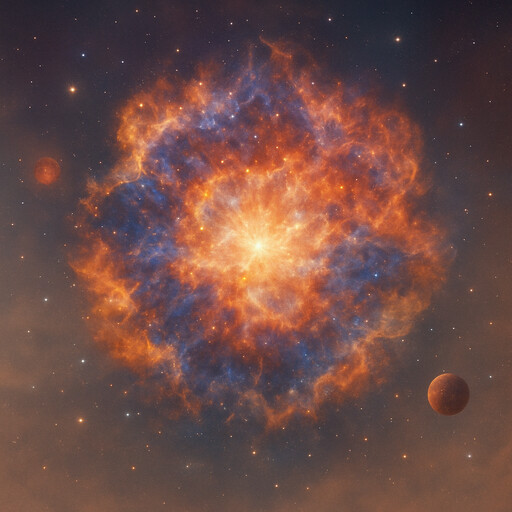
Supernova
Powerful explosion of a dying star
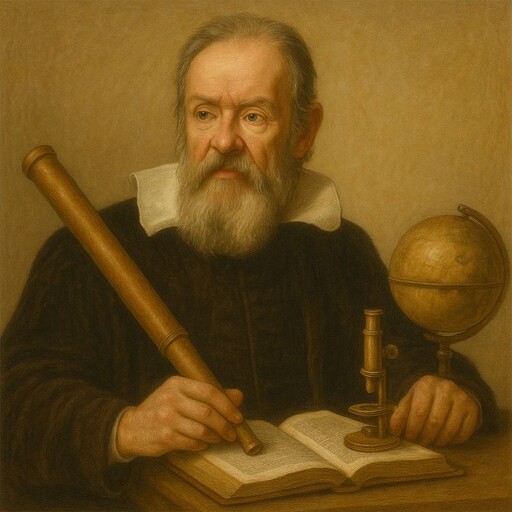
Galileo Galilei
Early observer of the skies
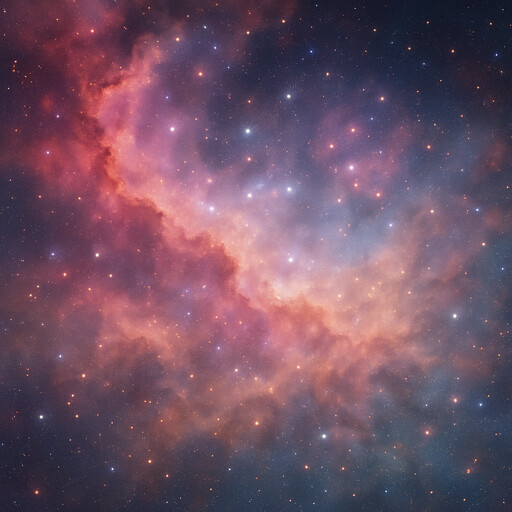
Nebula
Clouds of gas and dust in space
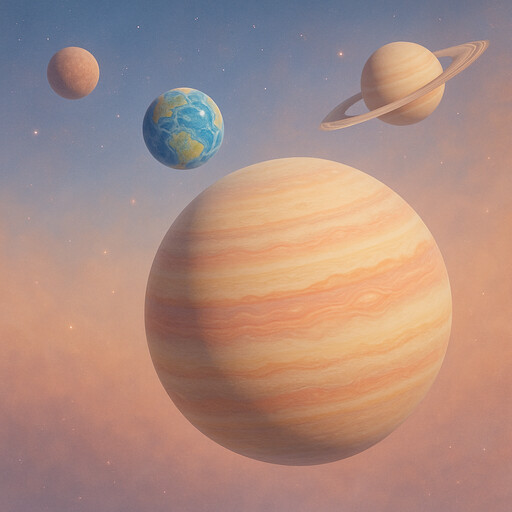
Exoplanet
Planets beyond our solar system