Nationalism is an idea about how people see themselves as part of a nation. A nation is a group of people who share common features. These features can include language, culture, history, traditions, or living in the same area. Nationalism says that people who belong to the same nation should feel connected to one another. It also says that this group should have a shared identity.
Nationalism began to grow strongly in Europe during the late 1700s and early 1800s. Before this time, many people felt loyalty mainly to a ruler, such as a king or emperor. As ideas about rights and citizenship spread, people began to think of themselves as members of a nation instead. Events such as the French Revolution helped spread nationalist ideas. These ideas later appeared in many parts of the world.
Nationalism can influence how countries are formed. In some cases, people who share a national identity try to create their own country. This process is often called nation-building. For example, in the 1800s, nationalist movements helped lead to the creation of new countries in Europe. Borders were sometimes changed to match where groups of people lived.
Nationalism can also affect how governments act. Governments may use national symbols such as flags, songs, or holidays to strengthen national identity. A symbol is an object or image that represents an idea. Schools may teach national history and language to help people feel connected. These actions are meant to build unity among citizens.
There are different forms of nationalism. Some types focus on shared culture and language. Others focus more on shared laws and citizenship. Nationalism can exist in large countries and small ones. It can also appear in places where many different groups live together. The meaning of nationalism can change depending on time and place.
Nationalism has played a role in many historical events. It has influenced wars, independence movements, and political changes. In the 1900s, nationalism was a factor in major global conflicts. It continues to be an important idea in world politics today. Different groups may understand and apply nationalism in different ways.
Nationalism
Level
readlittle.com
Idea linking people to a shared nation
What We Can Learn
- Nationalism links people through a shared nation.
- It developed strongly in the late 1700s and 1800s.
- It can influence how countries form and change.
- Nationalism appears in many regions and periods.
Related Reads
No image
Monarchy
Government ruled by a royal family
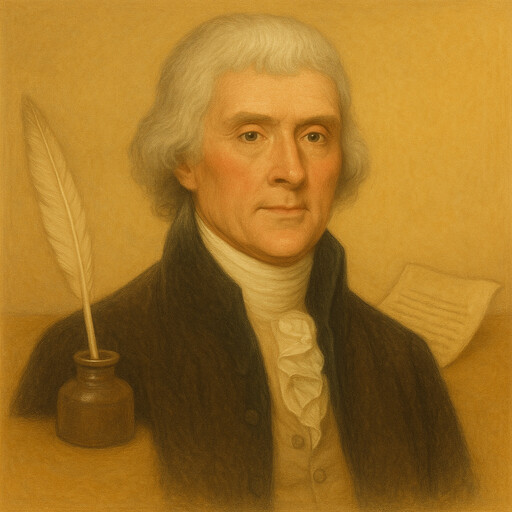
Thomas Jefferson
Author and third U.S. president
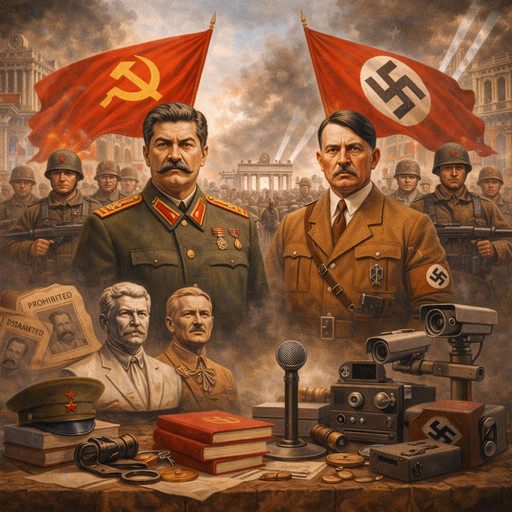
Totalitarianism
A system of complete state control
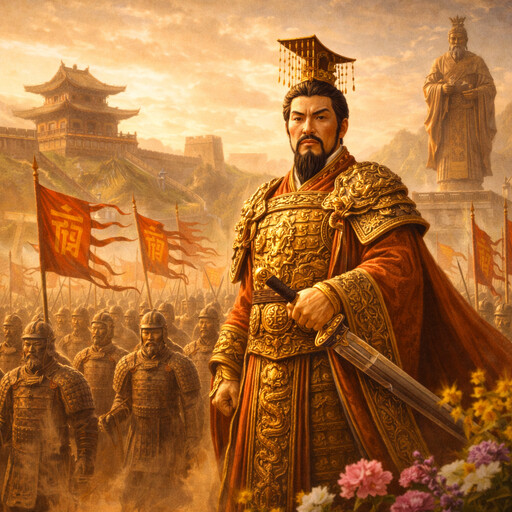
Qin dynasty
First imperial dynasty of China
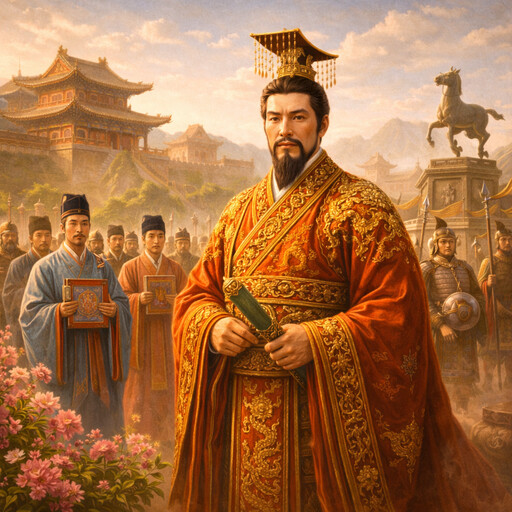
Han dynasty
Long-lasting dynasty of ancient China

Capitalism
Economic system based on private ownership

Industrial Revolution
Shift from hand tools to machines
Jeremy Bentham
British thinker on law and society
Montesquieu
French thinker on laws and government

Jean-Jacques Rousseau
Enlightenment writer on society and government

Thomas Cromwell
Chief minister to King Henry VIII

John Locke
Thinker who wrote about mind and government