A country is a large area of land where people live under the same government and follow the same set of laws. Each country usually has clear borders that separate it from other countries. The people living within those borders are often called citizens or nationals. There are about 200 countries in the world today, each with its own name, flag, and system of government.
Countries can be large or small in size and population. For example, russia is the largest country by land area, while china and india have the largest populations. Small countries like Monaco or Nauru cover only a few square kilometers. Some countries have millions of people, while others have fewer than one hundred thousand. Despite these differences, every country is recognized as a distinct political and geographic unit.
Every country has a form of government that makes and enforces laws. Some have democracies, where people vote for their leaders, while others are monarchies with kings or queens. Governments manage many areas of daily life, such as education, healthcare, transportation, and defense. The head of the government may be called a president, prime minister, or monarch, depending on the system used.
Countries also have symbols that represent them. These often include a national flag, an anthem, and official emblems or animals. For example, the bald eagle is a symbol of the united-states, and the maple leaf represents canada. Most countries also have capitals, which are the main cities where the government is located. Examples include paris for france, Tokyo for japan, and Nairobi for kenya.
Countries are divided into smaller areas called regions, states, or provinces, which help manage local affairs. They also interact with other countries through diplomacy and trade. International organizations, such as the united-nations (UN), help countries cooperate on global issues like peace, health, and the environment. Countries may sign treaties or agreements to work together on shared goals.
The study of countries, their borders, and their people is part of geography and political science. Understanding how countries are formed and governed helps people learn about the world and how different societies live and work together.
Country
Level
readlittle.com
A land with its own government and people
What We Can Learn
- A country is a land area with its own government and borders.
- Countries differ in size, population, and type of government.
- Each country has symbols such as flags and national anthems.
- Countries cooperate with one another through trade and diplomacy.
Related Reads

Munich Agreement
1938 agreement over Czechoslovak territory

Molotov–Ribbentrop Pact
Non-aggression agreement before World War II
No image
Monarchy
Government ruled by a royal family
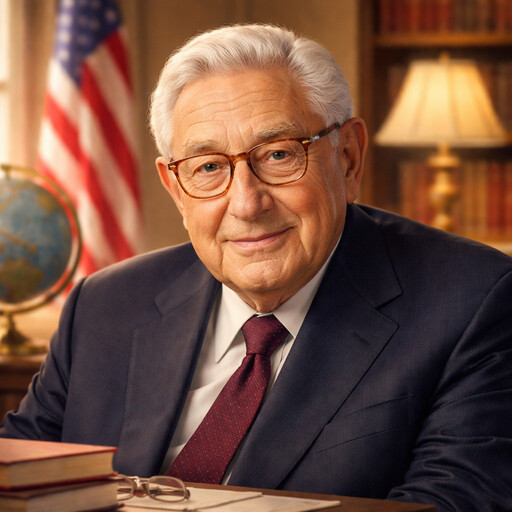
Henry Kissinger
American diplomat and foreign policy leader
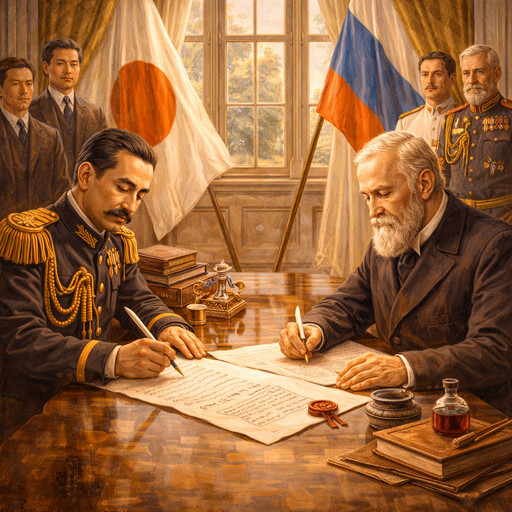
Treaty of Portsmouth
Peace agreement ending Russo-Japanese War
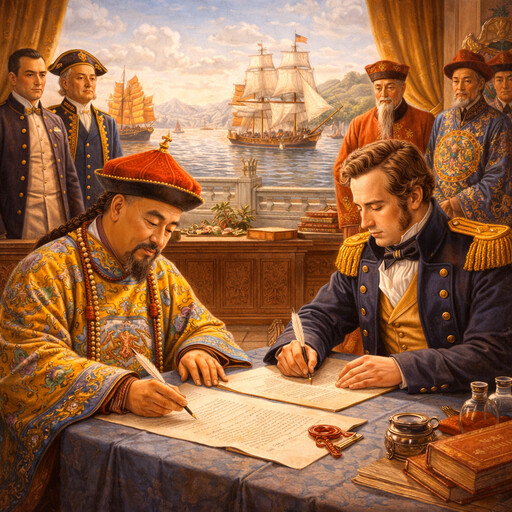
Treaty of Nanking
First unequal treaty between China and Britain
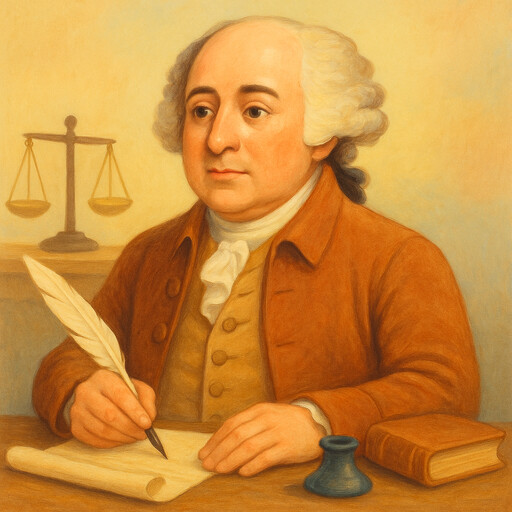
John Adams
Second president of the United States
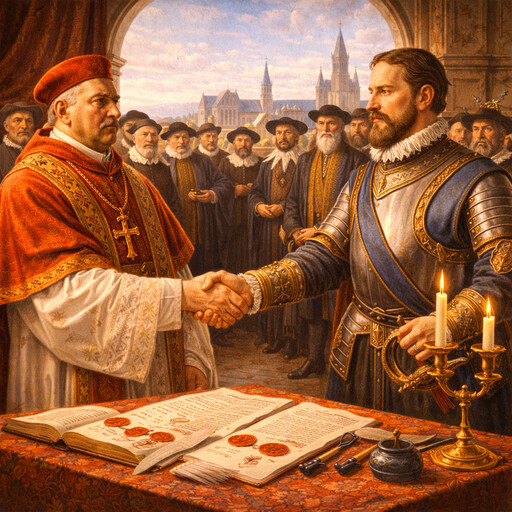
Peace of Westphalia
Treaties ending major European wars
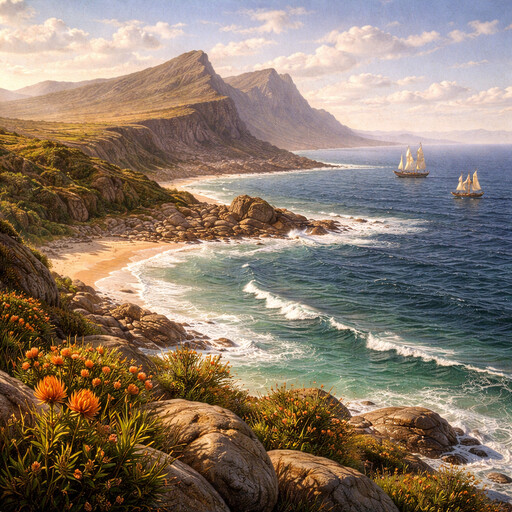
Cape of Good Hope
Southern headland of Africa
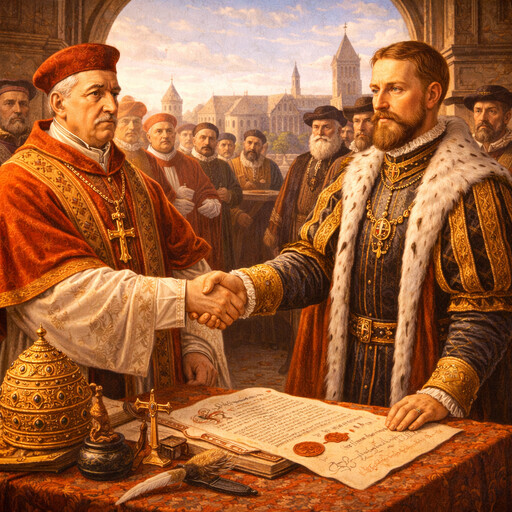
Peace of Augsburg
Religious settlement in the Holy Roman Empire
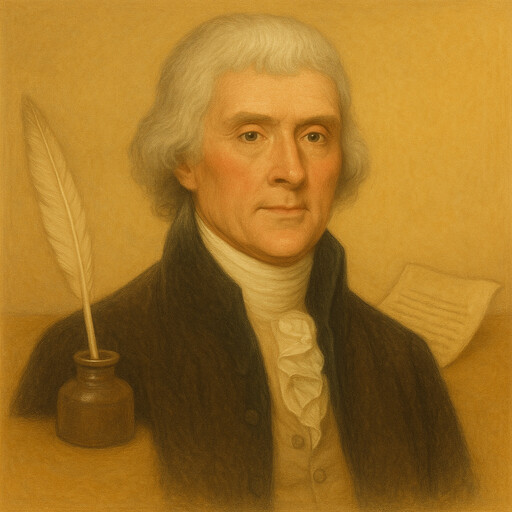
Thomas Jefferson
Author and third U.S. president
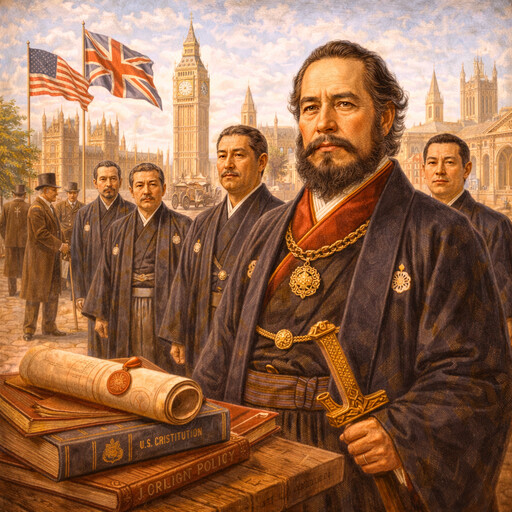
Iwakura Mission
Japanese study journey to the Western world