Thomas Jefferson was an American statesman, writer, and the third president of the United States. He lived during the late 1700s and early 1800s, a time when the country was being formed. Jefferson is closely connected with the Declaration of Independence, a document that announced the American colonies were separating from British rule. He also served as governor of Virginia, secretary of state, vice president, and president. Jefferson took part in many parts of early government and diplomacy. His work influenced how the new nation organized its laws and leadership.
Thomas Jefferson was born on 13 April 1743 in Virginia, which was then a British colony. He grew up on a plantation owned by his family. A plantation was a large farm that often relied on enslaved labor. Jefferson received a strong education. He studied languages, science, history, and law. Law is the system of rules used to govern a society. Jefferson became a lawyer and later entered public life. He was skilled at writing and kept detailed notes and letters throughout his life. These writings provide much information about his activities and ideas.
In the early 1770s, conflict increased between the American colonies and Great Britain. The colonies objected to British control and taxation. In 1775, fighting began, starting the American Revolutionary War. Jefferson was chosen to represent Virginia in the Continental Congress, a meeting of colonial leaders. In 1776, he was asked to write the Declaration of Independence. This document explained why the colonies were breaking away from Britain. The Declaration was approved on 4 July 1776. It became one of the most important documents in American history.
After independence, Jefferson continued to serve in government. He was governor of Virginia from 1779 to 1781. Later, he was sent to France as a diplomat. A diplomat is a person who represents a country in dealings with other nations. Jefferson lived in Paris for several years and observed European governments. After returning to the United States, he became the first secretary of state under President George Washington. In this role, he handled foreign affairs. Jefferson later served as vice president under John Adams.
Thomas Jefferson was elected president in 1800 and served two terms from 1801 to 1809. As president, he oversaw the Louisiana Purchase in 1803. This was an agreement in which the United States bought a large amount of land from France. The purchase greatly increased the size of the country. Jefferson believed in a limited federal government, meaning he wanted national power to be restricted. During his presidency, the nation faced challenges involving trade and foreign conflicts. Jefferson chose to avoid war when possible.
After leaving the presidency, Jefferson returned to his home called Monticello, located in Virginia. Monticello was a large house that Jefferson designed himself. He had an interest in architecture, which is the design of buildings. Jefferson also helped found the University of Virginia. A university is a place of higher education. He spent his later years writing letters and managing his estate. Thomas Jefferson died on 4 July 1826, exactly fifty years after the Declaration of Independence was adopted. He is remembered as a central figure in the early history of the United States.
Thomas Jefferson
Level
readlittle.com
Author and third U.S. president
What We Can Learn
- Thomas Jefferson wrote the Declaration of Independence
- He was the third president of the United States
- He helped expand the country through the Louisiana Purchase
- He served in many roles in early American government
Related Reads
No image
Monarchy
Government ruled by a royal family
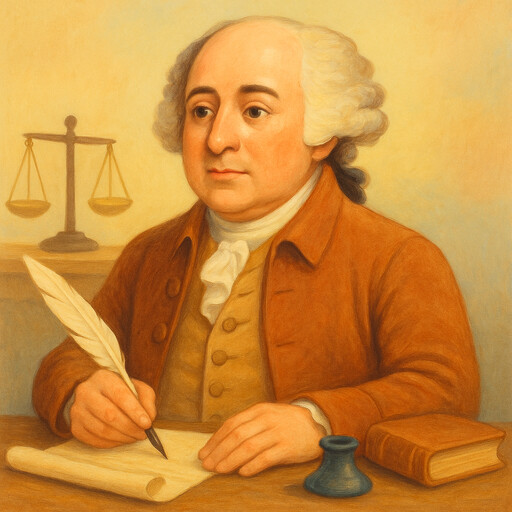
John Adams
Second president of the United States
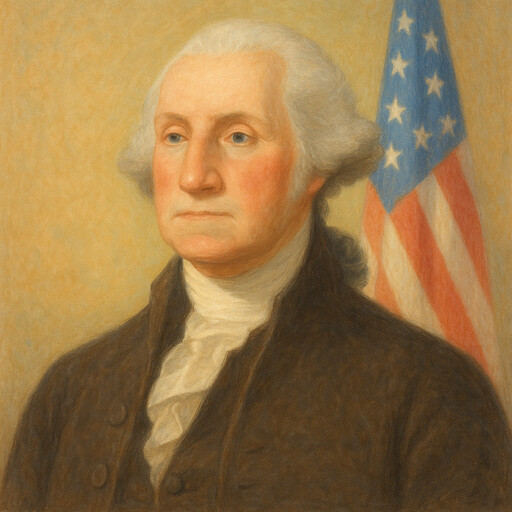
George Washington
First president of the United States
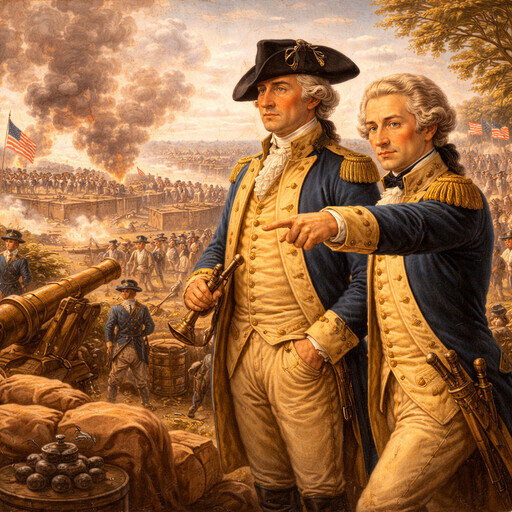
Siege of Yorktown
Final major battle of American independence
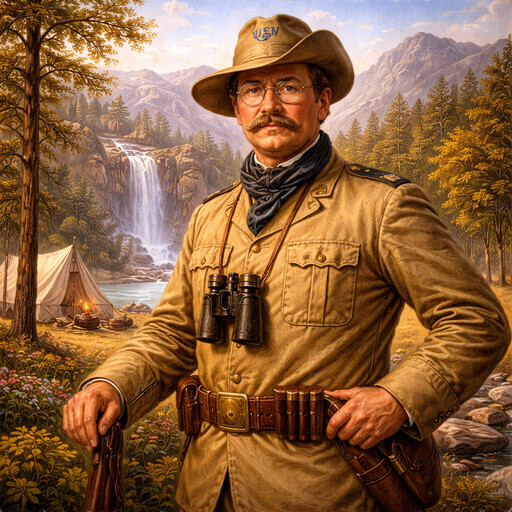
Theodore Roosevelt
Twenty-sixth president of the United States
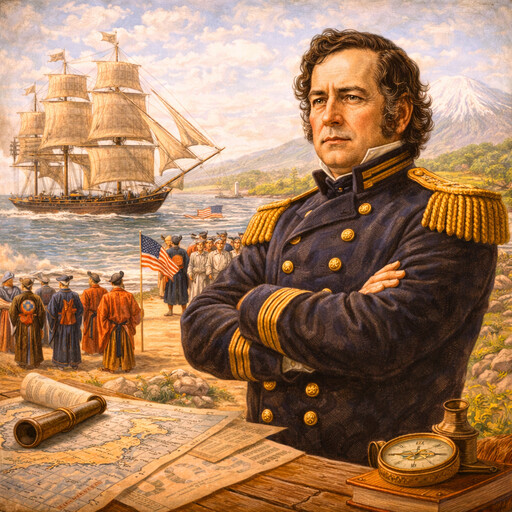
Perry Expedition
American naval mission to Japan

Mount Rushmore
Monument with four U.S. presidents
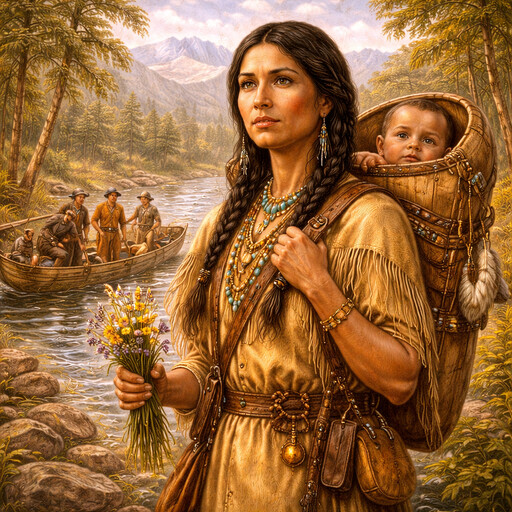
Sacagawea
Guide and interpreter of a western expedition
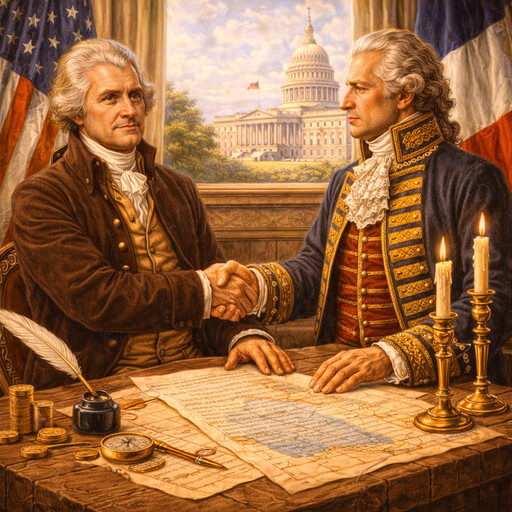
Louisiana Purchase
A land deal that doubled the United States

William Clark
Leader of a famous American exploration

Lewis and Clark Expedition
Exploring the land west of the Mississippi
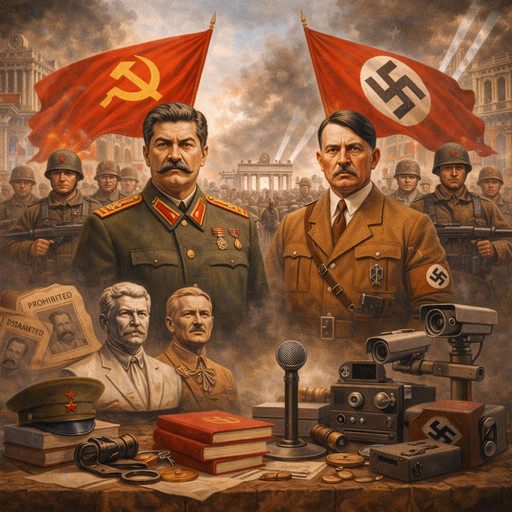
Totalitarianism
A system of complete state control