Monarchy is a form of government where one person is the head of a state. This person is called a monarch. A monarch may be known as a king, queen, emperor, or empress. In most monarchies, the monarch rules for life. When the monarch dies or steps down, another family member usually takes the position. This way of ruling has existed for thousands of years. Many early societies used monarchy because leadership was passed down through families. In these systems, the monarch often lived in a palace and represented the country as a whole.
In early history, monarchs often held complete control over their lands. This kind of system is called an absolute monarchy. In an absolute monarchy, the monarch makes laws, controls the army, and decides how the country is run. There are few limits on the ruler’s power. One historical example is France under King Louis XIV. Another example is Russia under Peter the Great. In these cases, the monarch was also the main decision-maker. People followed the monarch’s orders, and there was little or no shared power.
Over time, some monarchies changed. Many countries developed a constitutional monarchy. In this system, the monarch’s power is limited by a constitution. A constitution is a written set of rules that explains how a country is governed. In a constitutional monarchy, laws are usually made by an elected body called a parliament. The monarch remains the head of state but does not control daily government work. Countries such as the United Kingdom, Japan, and Sweden are constitutional monarchies. In these places, the monarch performs official duties, such as attending ceremonies or signing documents, while elected leaders run the government.
The role of a monarch can be different in each country. In some monarchies, the monarch is mostly symbolic. Symbolic means the role represents tradition rather than political power. The monarch may wear special clothing, take part in national events, and welcome foreign leaders. In other monarchies, especially absolute ones, the monarch still has strong political control. For example, Saudi Arabia and Oman are modern countries where monarchs have major authority. These differences depend on history, laws, and customs.
Succession is an important part of monarchy. Succession is the process by which a new monarch takes the throne. The throne means the position of ruler, not just a chair. In many monarchies, succession follows rules such as primogeniture. Primogeniture means the oldest child inherits the throne. Some countries have changed these rules so that sons and daughters are treated equally. When a monarch dies or gives up the throne, the next person in line becomes the new monarch. This process helps the monarchy continue over time.
Many monarchies still exist today, while others have ended. Some countries replaced monarchies with republics. A republic is a system where leaders are chosen by election instead of inheritance. France became a republic after the French Revolution. Russia ended its monarchy in 1917. Even so, monarchies remain part of modern political systems in many regions. They continue to function in different ways, shaped by long histories and changing laws.
Monarchy
Level
readlittle.com
Government ruled by a royal family
What We Can Learn
- A monarchy is ruled by one person called a monarch
- Monarchies can be absolute or constitutional
- Power is usually inherited within a family
- Monarchies still exist in several countries today
Related Reads

Johann Gottfried Herder
German thinker of culture and language
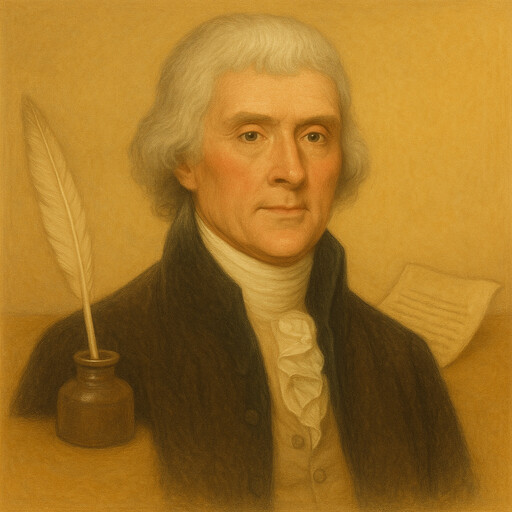
Thomas Jefferson
Author and third U.S. president
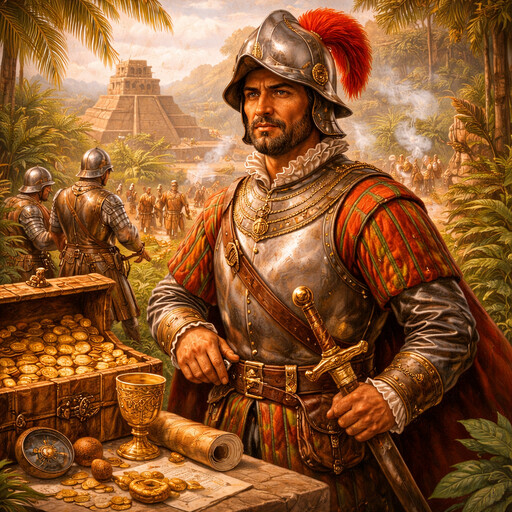
Conquistador
Spanish explorers and soldiers of empire
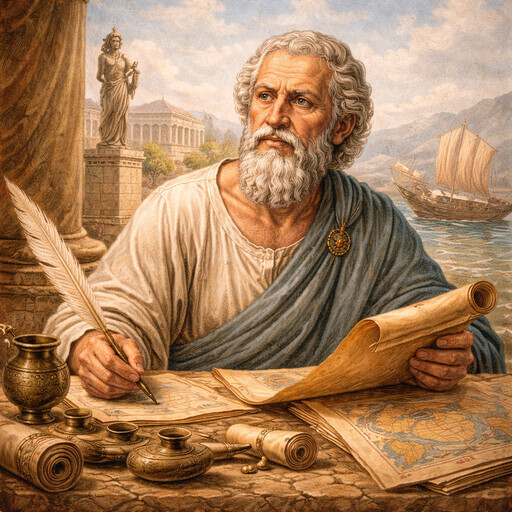
Herodotus
Ancient Greek writer of early history
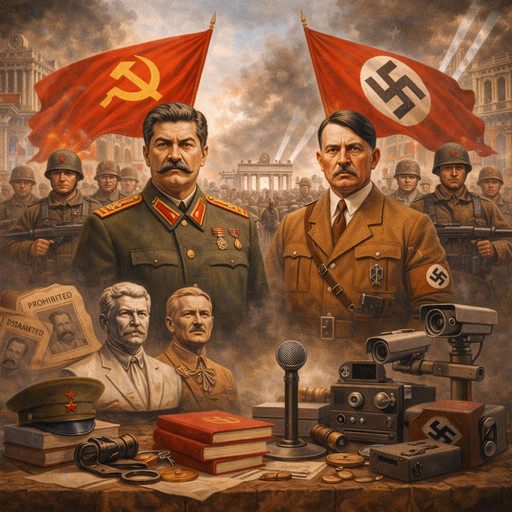
Totalitarianism
A system of complete state control
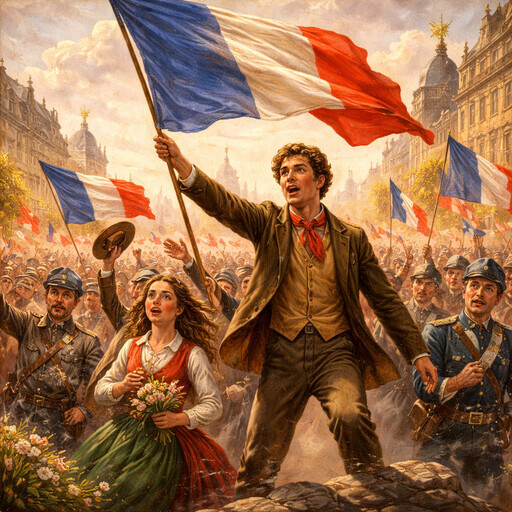
Nationalism
Idea linking people to a shared nation
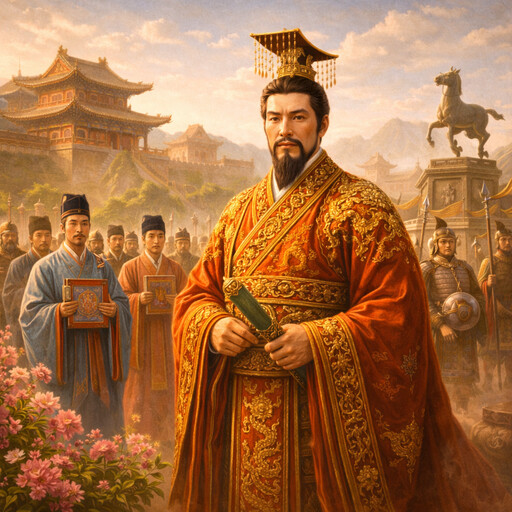
Han dynasty
Long-lasting dynasty of ancient China

Balkans
Southeastern European region
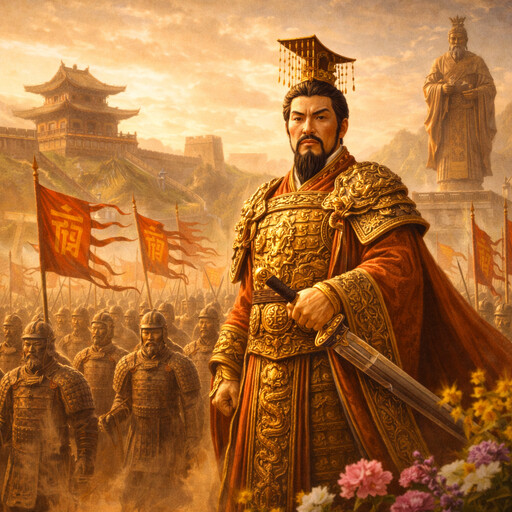
Qin dynasty
First imperial dynasty of China
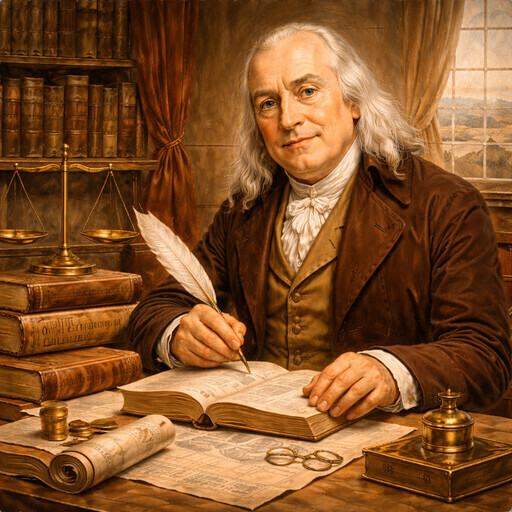
Jeremy Bentham
British thinker on law and society
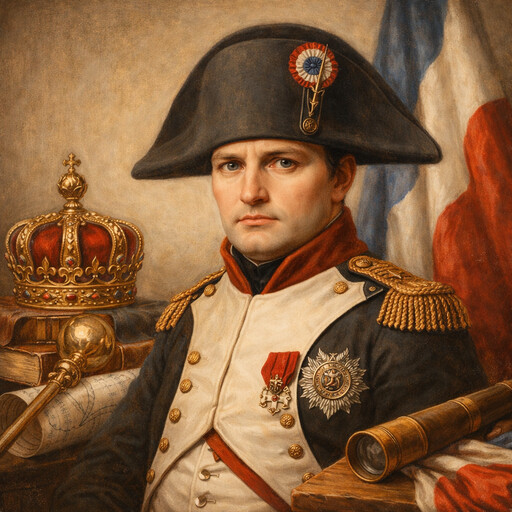
Napoleon
French general and emperor
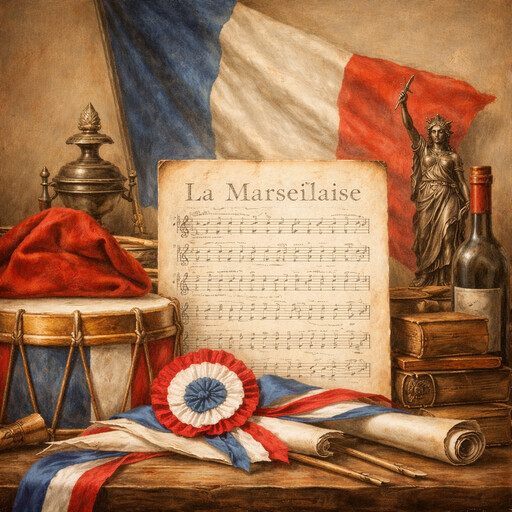
La Marseillaise
National anthem of France