Lord Byron was an English poet, writer, and nobleman. His full name was George Gordon Byron. He was born on January 22, 1788, in London, England. He became one of the most famous poets of the early 1800s. Byron is known as a leading figure of Romanticism, a cultural movement that focused on emotion, imagination, and nature.
Byron inherited the title Baron when he was young. A baron is a member of the British nobility. This made him a member of the House of Lords, a part of the British government. He studied at Trinity College, Cambridge. During his studies, he began to write poetry and publish his early work.
Byron became widely known after the publication of Childe Harold’s Pilgrimage. This long poem describes travel and personal reflection. It made him famous almost overnight. His poetry often describes strong feelings, lonely heroes, and distant places. These themes became closely linked to his name.
Lord Byron traveled widely in Europe. He lived for long periods in Italy and other countries. Travel influenced much of his writing. He wrote poems, plays, and long stories written in verse. Some of his well-known works include Don Juan and Manfred. His writing style was clear but emotional.
In the later part of his life, Byron became involved in the Greek War of Independence. This was a conflict in which Greece fought to gain independence from the Ottoman Empire. Byron traveled to Greece and used his money and influence to support the cause. He did not fight in major battles, but he helped organize supplies.
Lord Byron died on April 19, 1824, in Greece, at the age of 36. He died from illness. After his death, he continued to be widely read and discussed. He remains known as one of the major poets of the Romantic period in English literature.
Lord Byron
Level
readlittle.com
English Romantic poet and nobleman
What We Can Learn
- Lord Byron was born in 1788 and died in 1824.
- He was a leading poet of Romanticism.
- He became famous after writing Childe Harold’s Pilgrimage.
- He supported Greek independence near the end of his life.
Related Reads

Adam Mickiewicz
Poet of Polish Romantic literature

Momotarō
Peach Boy from Japanese folklore
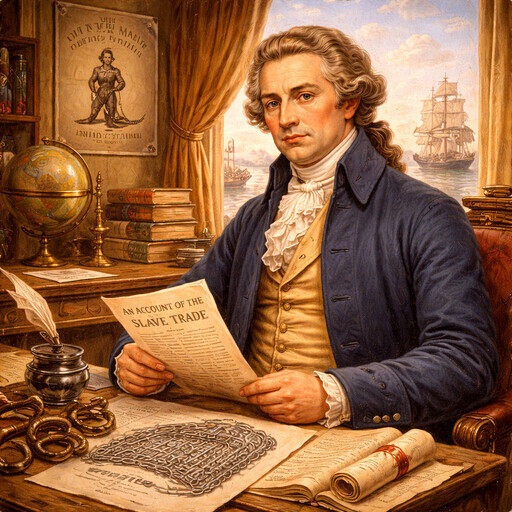
Thomas Clarkson
English campaigner against the slave trade
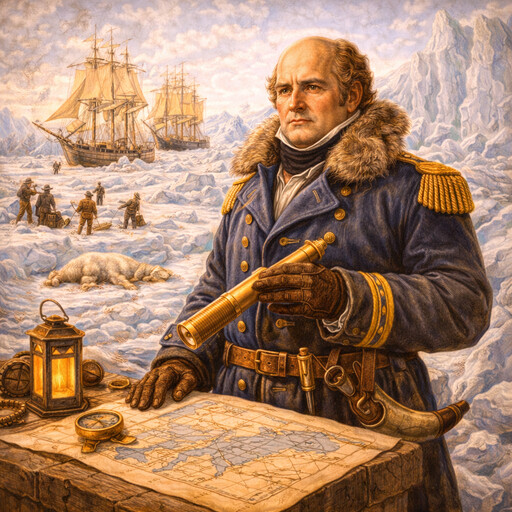
John Franklin
British explorer of the Arctic
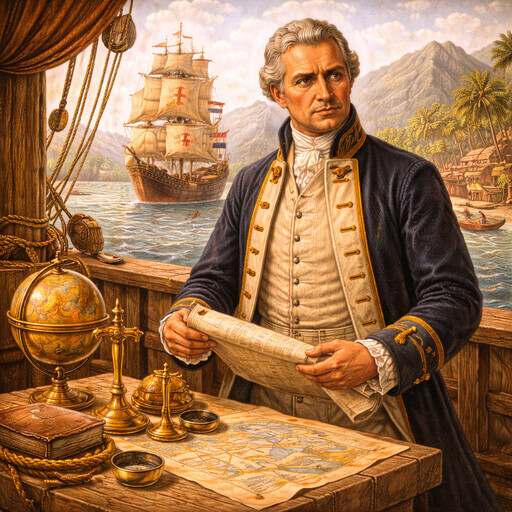
James Cook
British explorer of the Pacific Ocean
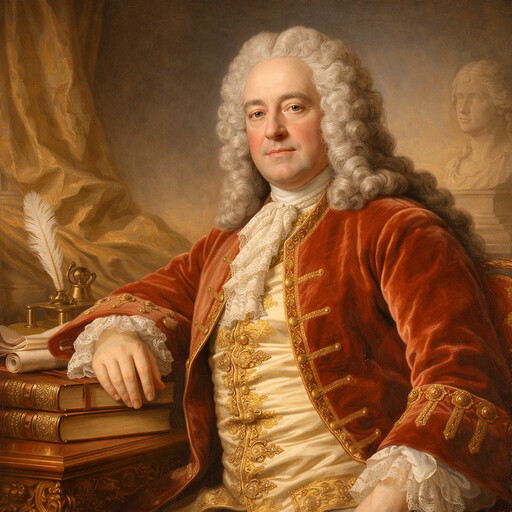
Robert Walpole
Early leader of Britain’s government
Thomas Hardy
English novelist and poet
Percy Bysshe Shelley
English Romantic poet and writer
Alexander Pushkin
Founder of modern Russian literature
Romanticism
Art and thought of emotion
Johann Wolfgang von Goethe
German writer and thinker
Victor Hugo
French writer and poet