Adam Mickiewicz was a poet, writer, and thinker who lived from 1798 to 1855. He is closely connected with Polish and Lithuanian history and culture. Mickiewicz wrote poems, plays, and essays. Many of his works describe the past, the land, and the people of Eastern Europe. He lived during a time when Poland did not exist as an independent country. His writing often reflects this historical situation.
Adam Mickiewicz was born in 1798 in a village called Zaosie, near the town of Nowogródek. At that time, the area was part of the Russian Empire. Today, it lies in modern-day Belarus. He grew up speaking Polish and learning about local traditions. As a young man, he studied at the University of Vilnius. There, he became interested in literature, history, and language. He also joined student groups that discussed national culture and ideas.
Because of his activities and writings, Mickiewicz came under the attention of Russian authorities. Authorities are people who hold power in government. In 1824, he was arrested and then sent away from his homeland. This type of punishment is called exile, which means being forced to live far from home. He spent several years in different parts of Russia. During this time, he continued to write poems and stories.
Mickiewicz later traveled across Europe. He lived in cities such as Rome, Lausanne, and Paris. Paris became his main home for many years. There, he worked as a teacher and writer. He taught Slavic literature, which is the study of writings from Eastern Europe. He wrote his most famous works during this period. One of them is Pan Tadeusz, a long poem written in verse. It describes life in the countryside and events from the past.
Many of Mickiewicz’s works use stories, legends, and historical events. He often wrote about exile, homeland, and memory. Memory means the act of remembering past events. His writing style is linked to Romanticism. Romanticism was a cultural movement in Europe during the late 1700s and early 1800s. It focused on emotion, imagination, and the past. Mickiewicz used strong images and clear language in his writing.
Adam Mickiewicz died in 1855 in Constantinople, now called Istanbul. He was there working on plans related to Eastern Europe during a war. After his death, his body was later moved to Kraków in Poland. He was buried in Wawel Cathedral, where many important figures of Polish history are buried. Today, Mickiewicz is remembered as a major figure in Polish literature and cultural history.
Adam Mickiewicz
Level
readlittle.com
Poet of Polish Romantic literature
What We Can Learn
- Mickiewicz was a poet and writer of the 1800s
- He lived much of his life outside his homeland
- His works describe history, exile, and culture
- He wrote the famous poem Pan Tadeusz
Related Reads

Józef Piłsudski
Leader of modern independent Poland

Momotarō
Peach Boy from Japanese folklore
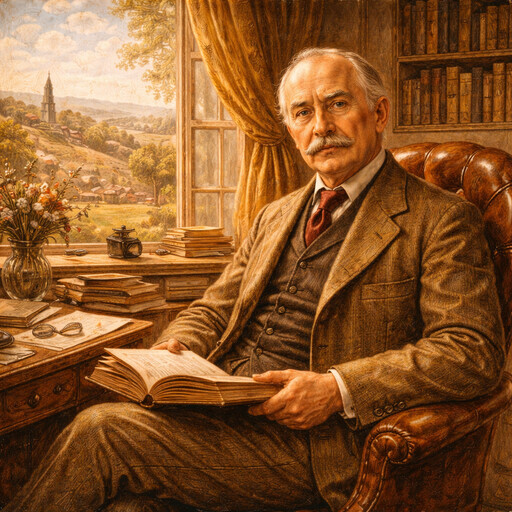
Thomas Hardy
English novelist and poet
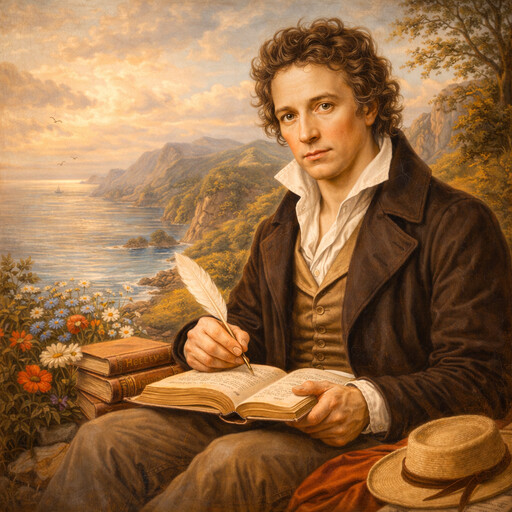
Percy Bysshe Shelley
English Romantic poet and writer
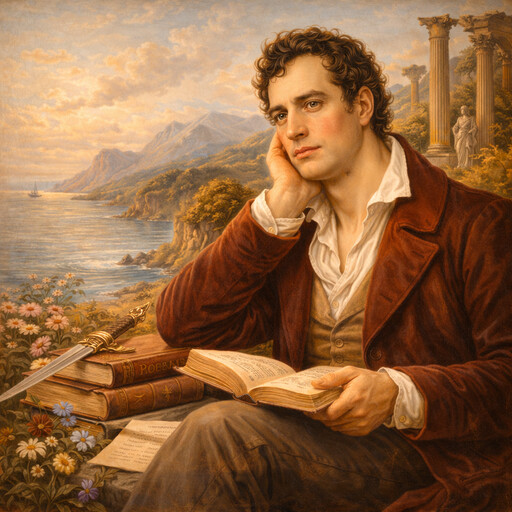
Lord Byron
English Romantic poet and nobleman
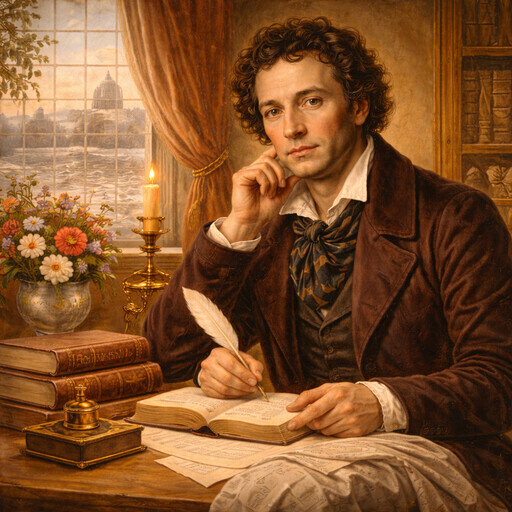
Alexander Pushkin
Founder of modern Russian literature

Romanticism
Art and thought of emotion
Johann Wolfgang von Goethe
German writer and thinker
Victor Hugo
French writer and poet
William Wordsworth
English Romantic poet of nature
Thomas More
English writer and government official
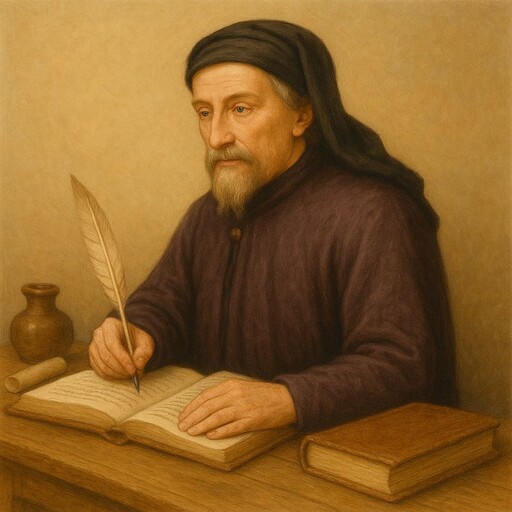
Geoffrey Chaucer
English poet of the Middle Ages