Italy stretches from the snow-capped Alps south along the Apennines, forming a long peninsula surrounded by the Mediterranean, Adriatic, Ionian, and Tyrrhenian Seas. The Dolomites tower above valleys, volcanoes such as Vesuvius and Etna remind citizens of tectonic forces, and coastal plains host citrus groves, olive terraces, and fishing ports.
Italy is a parliamentary republic with a president as head of state and a prime minister leading the council of ministers. Regions and autonomous provinces coordinate transport, schools, and environmental protection, while municipalities preserve historic centers and archaeological parks. Citizens vote in a multi-party system that reflects both national and local priorities.
Ancient Etruscans, Romans, and later city-states such as Florence, Venice, and Milan fostered civic life, banking, and artistic patronage. The Renaissance brought scholars, architects, and inventors whose manuscripts, frescoes, and sculptures still attract visitors. Unification in the 19th century created a modern nation that navigated monarchy, world wars, and the transition to a republic after 1946.
Today Italy's economy blends advanced manufacturing, automotive design, aerospace, and the culinary and fashion industries centered in cities like Turin, Bologna, and Milan. Family-owned firms export furniture, ceramics, and robotics, while winemaking regions such as Tuscany and Piedmont contribute to rural livelihoods. Sustainable energy mixes hydropower in Alpine valleys with solar farms across the peninsula and island territories.
Italian culture thrives in UNESCO cities, seaside villages, and mountains where festivals celebrate opera, cinema, and regional dishes. Sports from cycling to football unite fans, and heritage conservation protects colosseums, palazzi, and underwater ruins. Italy participates in the European Union, Mediterranean dialogues, and United Nations missions that promote cultural diplomacy and scientific cooperation.
Italy
Level
readlittle.com
Mediterranean peninsula of history and design
What We Can Learn
- Italy's geography combines Alps, Apennines, volcanoes, and Mediterranean coasts.
- Democratic institutions balance national leadership with regional autonomy.
- Renaissance creativity and unification history shaped modern identity.
- Design, cuisine, and family businesses anchor the contemporary economy.
Related Reads
No image
Monarchy
Government ruled by a royal family

Johann Gottfried Herder
German thinker of culture and language
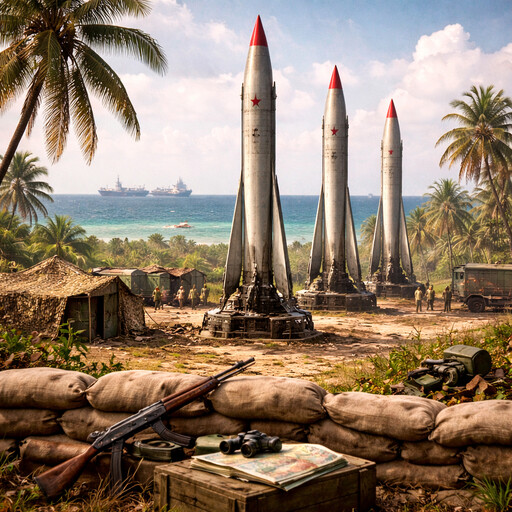
Cuban Missile Crisis
Cold War nuclear standoff in 1962
Henry Kissinger
American diplomat and foreign policy leader
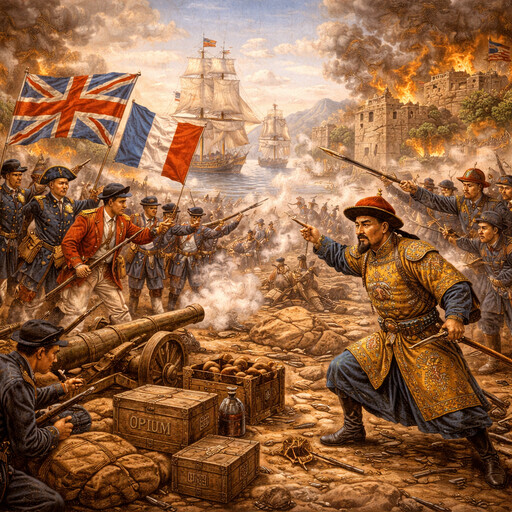
Second Opium War
Renewed conflict between China and Western powers
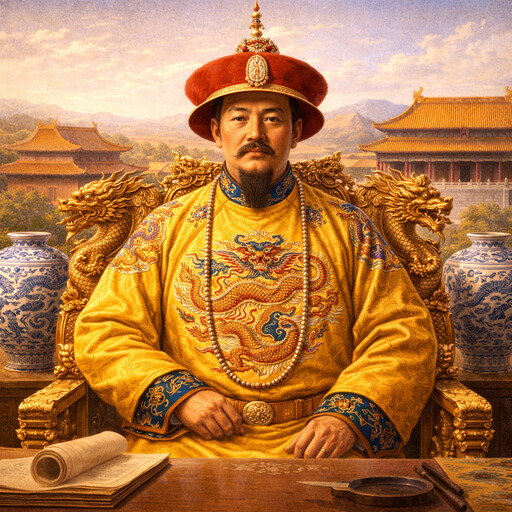
Ming dynasty
Chinese dynasty from 1368 to 1644
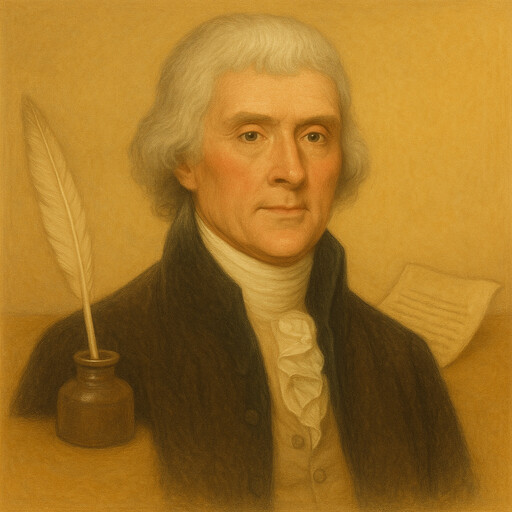
Thomas Jefferson
Author and third U.S. president
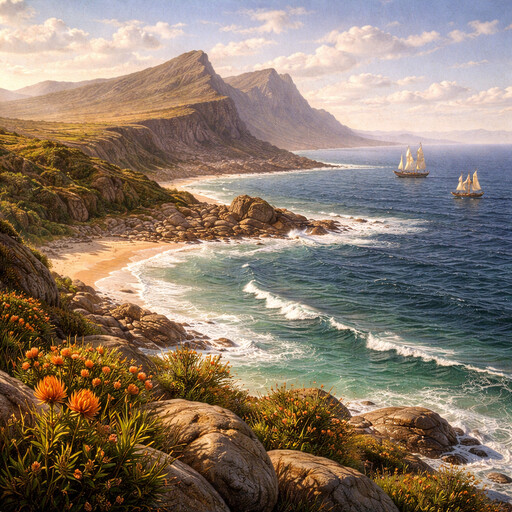
Cape of Good Hope
Southern headland of Africa
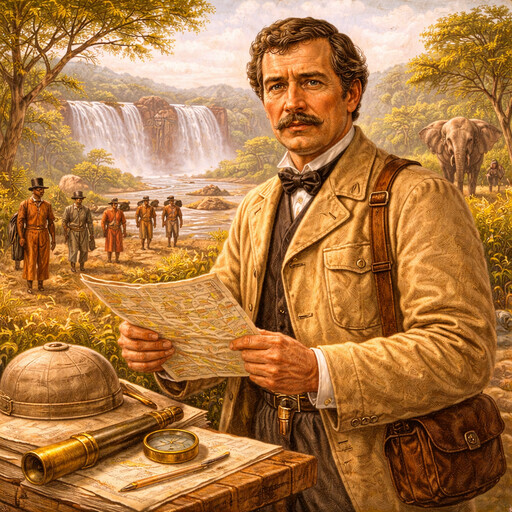
David Livingstone
Scottish explorer of Africa
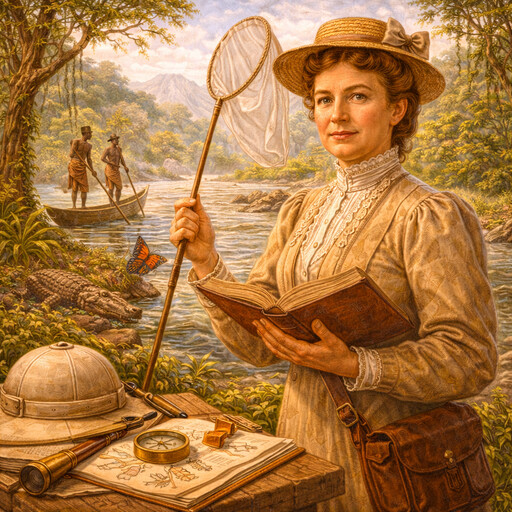
Mary Kingsley
British traveler and writer in West Africa
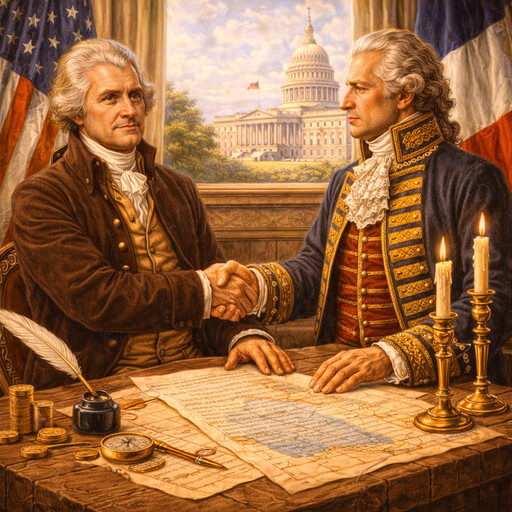
Louisiana Purchase
A land deal that doubled the United States

Lewis and Clark Expedition
Exploring the land west of the Mississippi