Romanticism was a cultural movement that began in Europe in the late 1700s and continued into the mid-1800s. It appeared first in literature and art, and later influenced music and thinking. Romanticism focused on strong feelings, imagination, and the natural world. It developed partly as a response to the Enlightenment'', which emphasized reason and rules.
Romantic writers and artists often showed emotions such as joy, fear, sadness, and wonder. They believed that feelings were an important part of human life. Many works of Romanticism describe personal experiences. A ''personal experience'' means something felt or lived by an individual. This focus made Romantic works different from earlier styles that followed strict forms.
Nature was a central theme in Romanticism. Mountains, forests, storms, and rivers appeared often in poems and paintings. Nature was shown as powerful and sometimes dangerous. Romantic artists believed nature could affect human emotions. For example, a painting of a stormy sea could express fear or strength without using words.
Romanticism also valued imagination and creativity. Imagination means the ability to form new ideas or images in the mind. Writers used imagination to create new stories, myths, and symbols. Some Romantic works included elements of the past, such as medieval legends or folk tales. This interest in history was part of the movement’s style.
The movement spread across Europe and later to the Americas. In literature, well-known Romantic writers include William Wordsworth, Samuel Taylor Coleridge, Lord Byron, Percy Bysshe Shelley, and Johann Wolfgang von Goethe''. In music, composers such as Ludwig van Beethoven and Franz Schubert showed Romantic ideas through expressive melodies and changing musical forms.
By the mid-1800s, Romanticism began to change as new movements appeared. Even so, its influence continued. Many later artists kept using emotion, imagination, and nature in their work. Romanticism remains an important part of cultural history because it changed how people expressed ideas and feelings in art and writing.
Romanticism
Level
readlittle.com
Art and thought of emotion
What We Can Learn
- Romanticism was a cultural movement of the late 1700s and early 1800s.
- It emphasized emotion, imagination, and nature.
- It influenced literature, art, and music.
- It developed partly in response to Enlightenment ideas.
Related Reads
No image
Vienna
Capital city on the Danube River

Molotov–Ribbentrop Pact
Non-aggression agreement before World War II

Vilnius
Historic capital city of Lithuania

Adam Mickiewicz
Poet of Polish Romantic literature

Polish–Soviet War
War over borders after World War I

Munich Agreement
1938 agreement over Czechoslovak territory

Revolutions of 1848
Uprisings across Europe in 1848
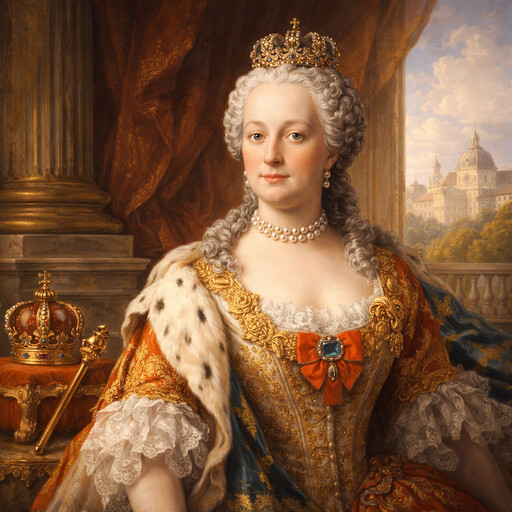
Maria Theresa
Powerful ruler of the Habsburg lands
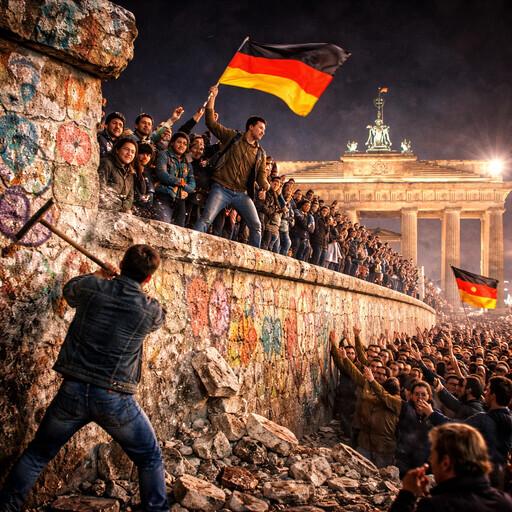
Fall of the Berlin Wall
End of Germany’s divided barrier
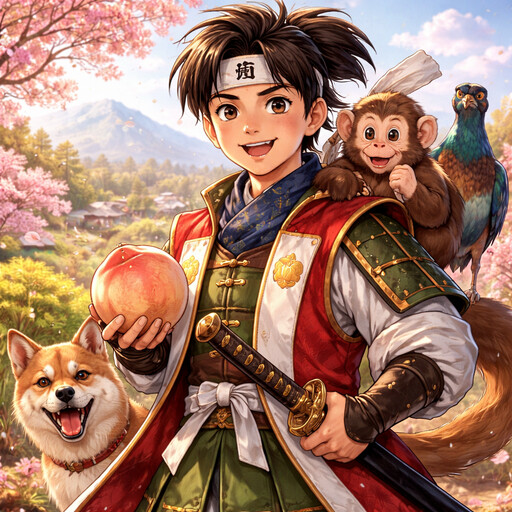
Momotarō
Peach Boy from Japanese folklore
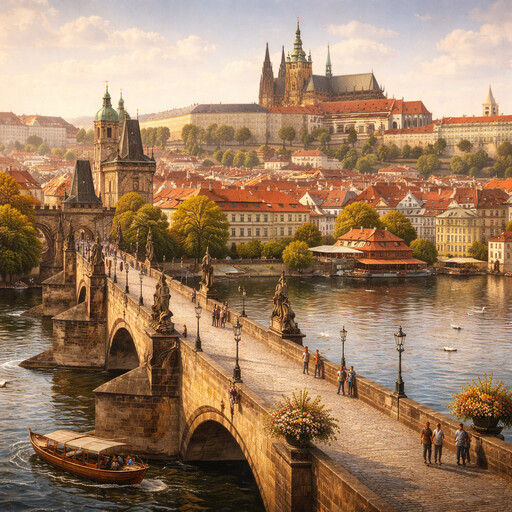
Prague
Historic capital city of the Czech Republic
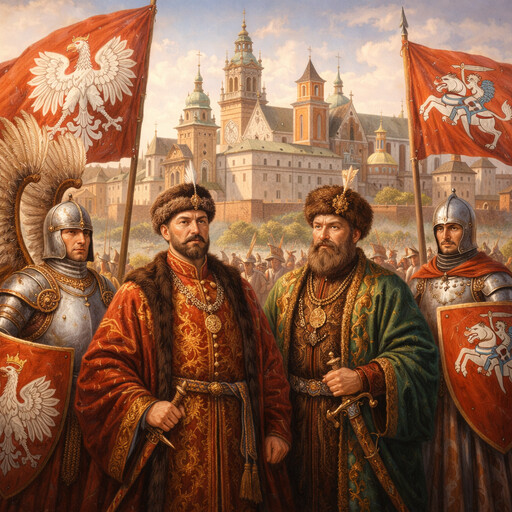
Polish–Lithuanian Commonwealth
A large early modern European state