Omnivores are animals that eat both plants and other animals. The word comes from Latin, where omni means 'everything' and vorare means 'to eat'. This means omnivores can eat many kinds of food, including fruits, vegetables, meat, fish, and insects. Having a flexible diet helps them survive in different environments where one type of food might not always be available.
Some examples of omnivores include humans, bears, raccoons, pigs, and chickens. Humans, for instance, can eat fruits, grains, and vegetables, but also meat, eggs, and fish. Bears eat berries and honey, but they also catch fish or small animals. This variety allows omnivores to live in forests, grasslands, cities, and even mountains.
Omnivores have special body parts that help them eat different kinds of food. They usually have both sharp teeth for cutting meat and flat teeth for chewing plants. Their stomachs can handle different kinds of food, though not as specialized as those of herbivores or carnivores. This means omnivores can adapt to eat whatever food is easiest to find.
Being an omnivore is helpful in the wild because it offers more food choices. When plants are not available, an omnivore can eat animals or insects, and when prey is hard to find, it can eat fruits or seeds. This flexibility helps them live in changing seasons or new habitats.
Omnivores play an important role in the food chain. They help keep populations balanced by eating both plants and animals. For example, they may control insect numbers while also spreading plant seeds through their droppings. In this way, omnivores connect different parts of the ecosystem and support nature’s balance.
Overall, omnivores are great examples of adaptability in the animal world. By eating many kinds of food, they can live in many places and survive when food is limited. This ability has also helped humans thrive in all parts of the world.
Omnivore
Level
readlittle.com
Animal that eats plants and meat
What We Can Learn
- Omnivores eat both plants and animals.
- They have teeth and stomachs for many food types.
- Omnivores live in many environments.
- They help balance ecosystems by connecting food chains.
Related Reads
Natural selection
How living things change over time
Habitat
Natural home of living things
Nutrient
Substance needed for growth and life
Cactus
Plant adapted to dry environments

Animal
Living organisms that eat other life

Rachel Carson
Scientist and writer on nature

Ecology
Study of living things and environments

Plant
Living organism that makes its own food

Amazon rainforest
Vast tropical forest in South America
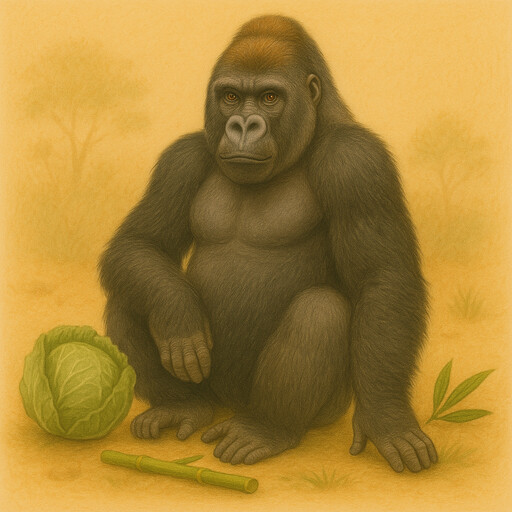
Gorilla
Forest gardeners with gentle strength
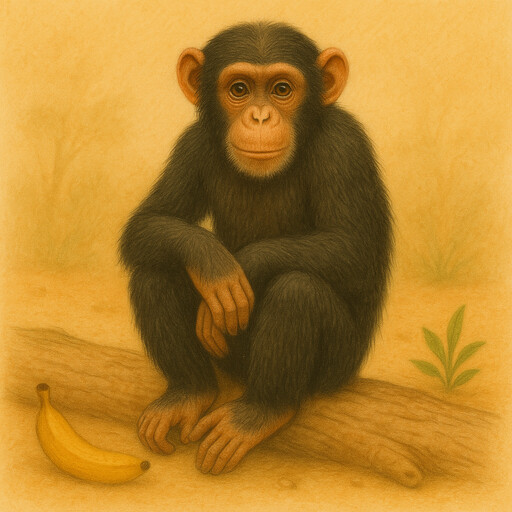
Chimpanzee
Inventive problem-solvers of African forests
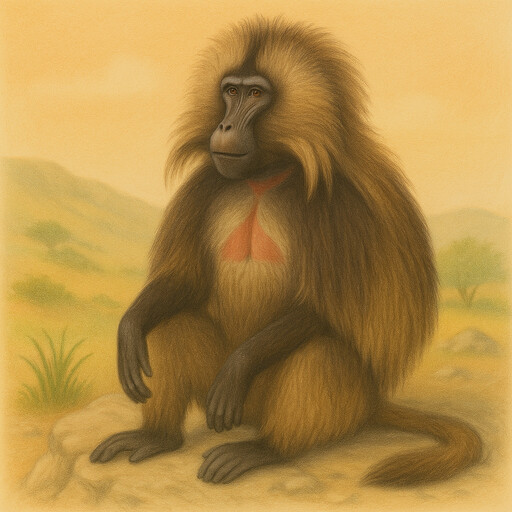
Gelada
Grass-eating monkeys of the highlands