A cactus is a type of plant that belongs to the family Cactaceae. Cacti are best known for their ability to live in dry regions with little rainfall. Most cacti are found in the Americas, especially in deserts of North and South America. A few species grow in forests or grasslands. Cacti have special structures that help them survive long periods without water.
One main feature of a cactus is its thick, fleshy stem. The stem stores water, which the plant uses during dry times. Unlike many plants, most cacti do not have normal leaves. Instead, they have spines. Spines are sharp, pointed structures that grow from the plant. They help reduce water loss and protect the cactus from animals. Because leaves lose water quickly, having spines instead of leaves helps the cactus survive.
Cacti also have a special outer layer called a waxy coating. This coating covers the stem and helps prevent water from escaping. Inside the stem, water is stored in soft tissue. When rain falls, the cactus absorbs water quickly. Some cacti can swell as they fill with water and then slowly shrink as the water is used. This process allows them to survive months without rain.
The roots of a cactus are usually spread out near the surface of the soil. This allows the plant to absorb water quickly after short rainstorms. In deserts, rain often falls suddenly and does not last long. Shallow roots help the cactus collect as much water as possible before it evaporates or runs off. Some cacti also have a deeper main root that helps anchor the plant.
Cacti produce flowers, often during certain seasons. Cactus flowers can be large, small, bright, or pale, depending on the species. Many flowers open only at night or during the early morning. This timing helps match the activity of pollinators such as insects, birds, or bats. Pollination is the process by which pollen moves from one flower to another, allowing seeds to form. After pollination, many cacti produce fruits that contain seeds.
Cacti vary widely in size and shape. Some are small and round, growing close to the ground. Others, such as the saguaro cactus, grow tall and can reach several meters in height. Cacti have been used by people for food, tools, and shelter in different cultures. Today, cacti are also grown as houseplants in many parts of the world. They remain an important part of desert ecosystems.
Cactus
Level
readlittle.com
Plant adapted to dry environments
What We Can Learn
- Cacti are plants adapted to dry environments
- Most cacti store water in thick stems
- Spines replace leaves and reduce water loss
- Cacti mainly grow in the Americas
Related Reads

Botany
The study of plants and plant life
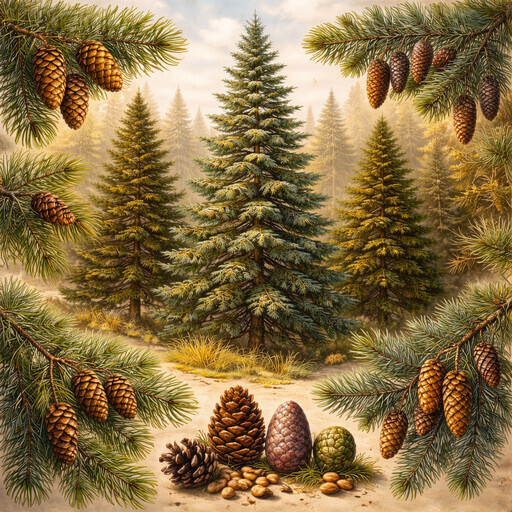
Conifer
Cone-bearing trees and shrubs

Evergreen
Plants that keep leaves year-round

Cotton
A natural fiber from plants

Maple
A tree with leaves and sweet sap

George Washington Carver
American scientist and agricultural researcher

Deciduous
Plants that lose leaves seasonally
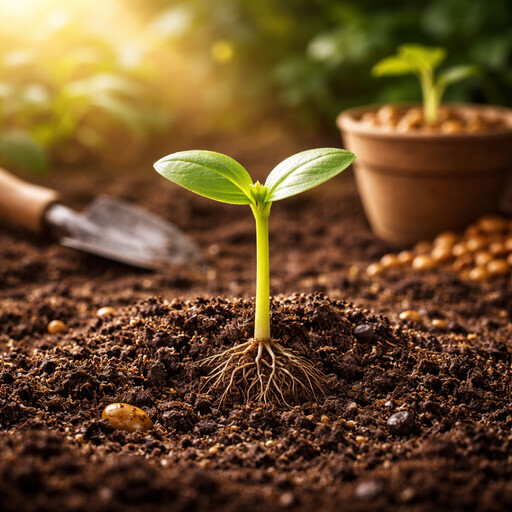
Seedling
Young plant after germination

Photosynthesis
How plants make food using light

Nutrient
Substance needed for growth and life

Animal
Living organisms that eat other life

Plant
Living organism that makes its own food