Habitat means the natural place where a living thing lives. Every plant and animal has a habitat where it can survive and grow. A habitat includes the land, water, air, and other living things around it. For example, a frog may live in a pond, while a camel lives in a desert. Each habitat has special conditions that suit the needs of the organisms that live there.
Habitats can be found all over Earth. Some are on land, such as forests, grasslands, deserts, and mountains. Others are in water, such as rivers, lakes, wetlands, and oceans. There are also habitats in very cold places, like the Arctic, and in very hot places, like tropical rainforests. The climate, which means the usual weather of a place, helps shape each habitat.
A habitat provides basic needs. These include food, water, shelter, and space. Food gives energy. Water is needed for all life processes. Shelter protects organisms from weather and enemies. Space allows living things to move, grow, and reproduce. If one of these needs is missing, an organism may not survive in that habitat.
Many habitats contain many different kinds of living things. This group of living things is called a community. Plants often form the base of a habitat by making food using sunlight. Animals may eat plants or other animals. Small organisms, such as bacteria and fungi, help break down dead plants and animals. This helps return nutrients to the habitat.
Habitats can change over time. Changes may happen naturally, such as floods, fires, or storms. Changes can also happen when humans build cities, cut down forests, or pollute water. When a habitat changes too much, some plants and animals may leave or die. New species may also move in if the conditions become suitable for them.
Scientists study habitats to understand how living things interact with their environment. By observing habitats, they learn how plants and animals depend on each other and on their surroundings. This knowledge helps explain why different areas of Earth have different kinds of life.
Habitat
Level
readlittle.com
Natural home of living things
What We Can Learn
- A habitat is the natural home of an organism.
- Habitats provide food, water, shelter, and space.
- Habitats exist on land and in water.
- Habitats can change over time.
Related Reads

Rachel Carson
Scientist and writer on nature

Ecology
Study of living things and environments
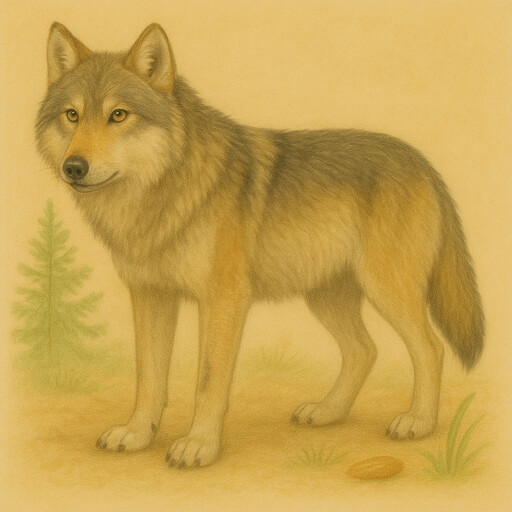
Wolf
Pack planners of forests and tundra
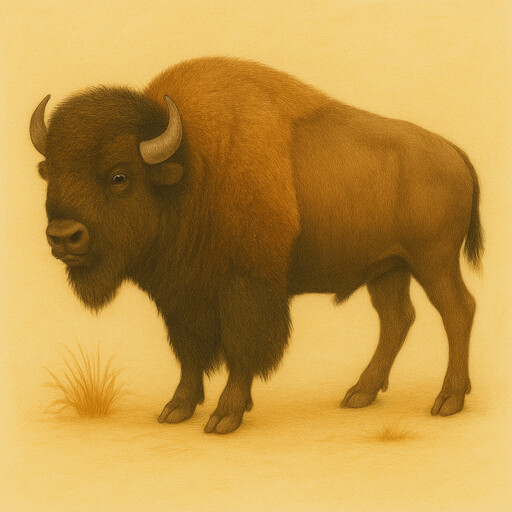
Bison
Great Plains grazers with thunder hooves
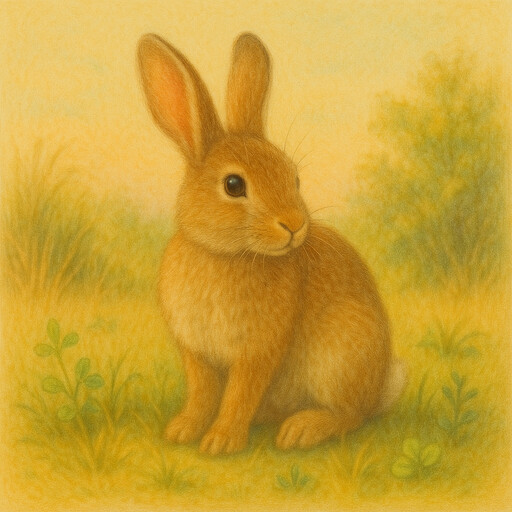
Rabbit
Fast diggers with gentle hearts
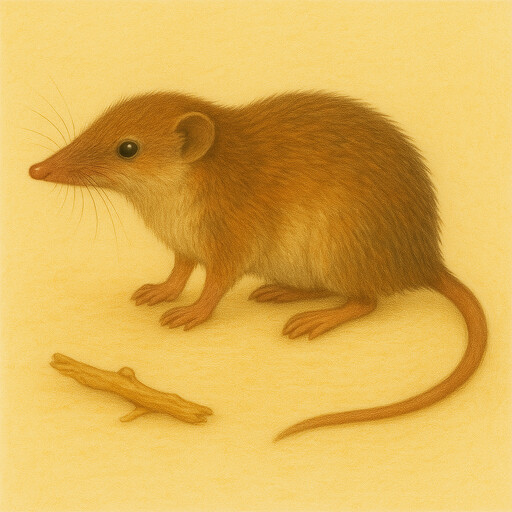
Shrew
Tiny insectivores with turbo metabolisms
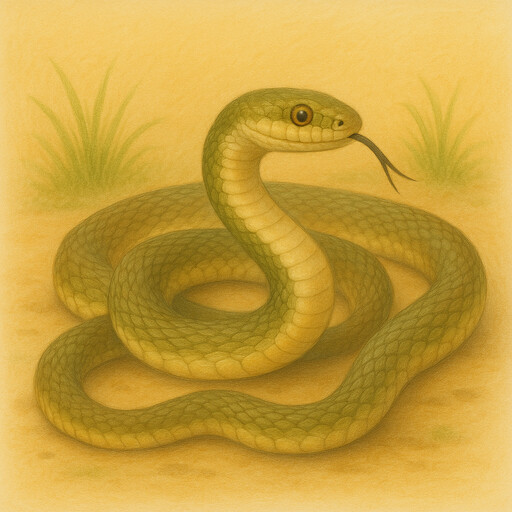
Snake
Silent slitherers with surprising senses

Iguazu Falls
Binational cascades of the Iguazu River

Lake Baikal
Siberia's deep rift lake of endemics
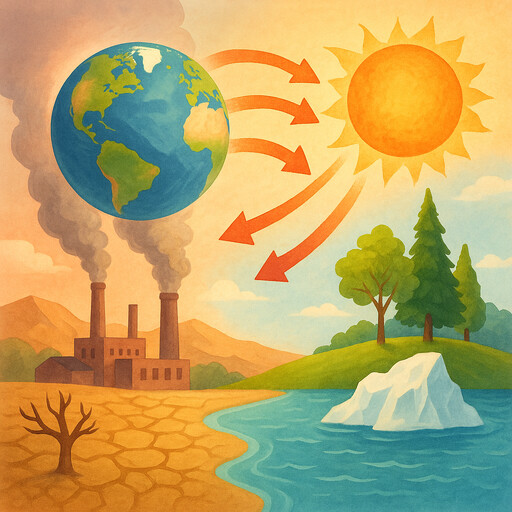
Climate Change
Changes in Earth’s long-term climate
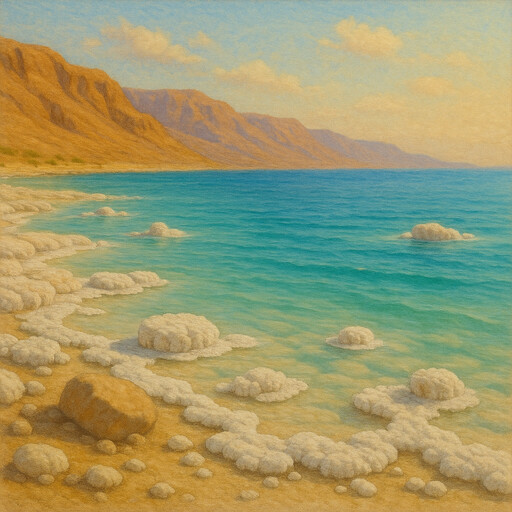
Dead Sea
Earth's lowest hypersaline lake
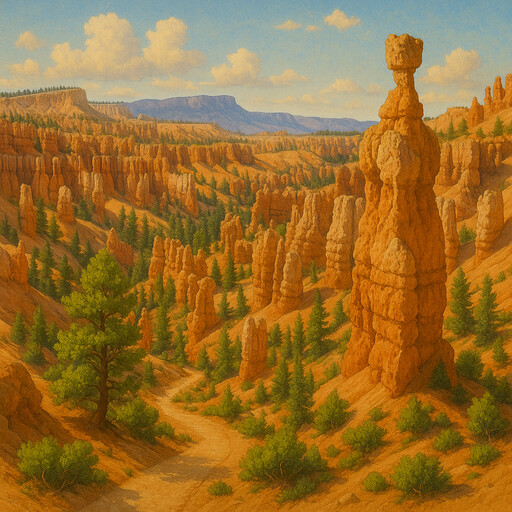
Bryce Canyon
Hoodoo amphitheater on the Paunsaugunt Plateau