India extends from the peaks of the Himalayas to the Indian Ocean, surrounded by Pakistan, China, Nepal, Bhutan, Bangladesh, Myanmar, and Sri Lanka across the sea. The northern Indo-Gangetic Plain holds fertile soil watered by the Ganges, Yamuna, and Brahmaputra Rivers, while central plateaus and the Thar Desert show rocky hills and sandy dunes. Southern states touch the Arabian Sea and Bay of Bengal, with rainforests in the Western Ghats, coffee plantations in Karnataka, and monsoon forests in the northeast.
India is the world's largest democracy and operates as a federal parliamentary republic. Citizens elect the Lok Sabha, or House of the People, and state assemblies, while the Rajya Sabha represents states at the national level. A president serves as head of state, and a prime minister leads the Council of Ministers. States and union territories manage police, health care, and education, and the central government builds national highways, space missions, and digital infrastructure.
India's history includes the Indus Valley Civilization, Vedic periods, empires such as Maurya, Gupta, Mughal, and Maratha, and British colonial rule. Nonviolent movements led by Mahatma Gandhi and others achieved independence in 1947, and the constitution took effect in 1950. Today India is part of the United Nations, G20, BRICS, and numerous regional organizations.
The economy combines agriculture, industry, and services. Farmers grow rice, wheat, pulses, sugarcane, and cotton and export tea and spices such as cardamom and pepper. Major industrial centers produce steel, automobiles, and pharmaceuticals, while cities like Bengaluru, Hyderabad, Pune, and Gurgaon lead software, biotech, and aerospace research. Satellite launches from ISRO, wind farms in Tamil Nadu, and solar parks in Rajasthan show India's investment in science and clean energy.
Culture reflects dozens of official languages, classical dance forms, and film industries. Hindus, Muslims, Christians, Sikhs, Buddhists, Jains, and other communities share festivals such as Diwali, Eid, Christmas, and Baisakhi. Traditional arts range from Bharatanatyam dance to miniature painting, and modern pop music mixes Hindi, Tamil, Telugu, and Punjabi lyrics. Meals change by region but may include rice, roti, lentils, yogurt, chutneys, and spices like turmeric and cumin. Kids learn to greet elders with "Namaste" or regional greetings, and schools teach STEM, classical arts, and sports like cricket and hockey.
India
Level
readlittle.com
Subcontinent of rivers and voices
What We Can Learn
- India stretches from Himalayan peaks to coastal deltas with varied climates.
- A federal parliamentary republic balances national ministries with state governments.
- Empires, colonial rule, and independence shaped the modern nation.
- Farming, industry, services, and festivals showcase ongoing innovation.
Related Reads

Johann Gottfried Herder
German thinker of culture and language
No image
Monarchy
Government ruled by a royal family
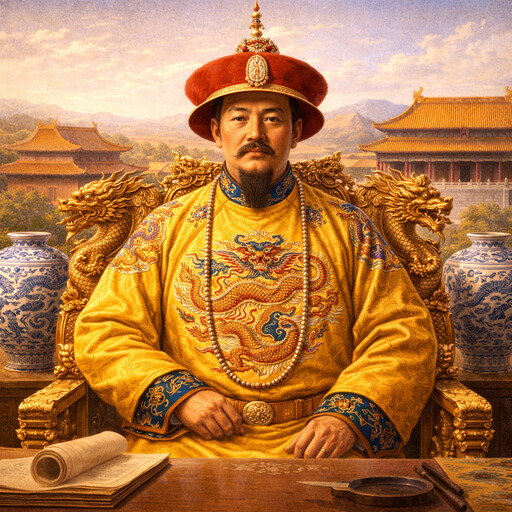
Ming dynasty
Chinese dynasty from 1368 to 1644
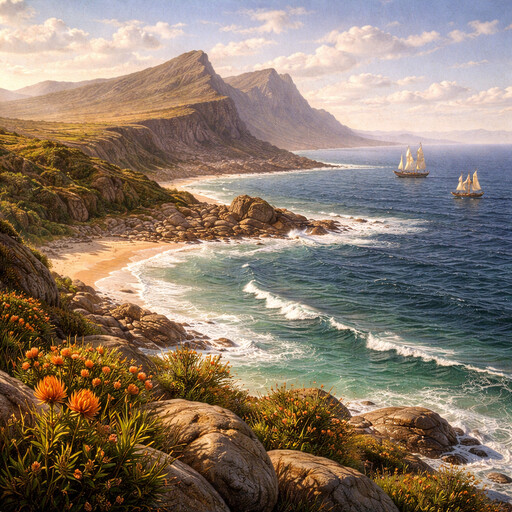
Cape of Good Hope
Southern headland of Africa
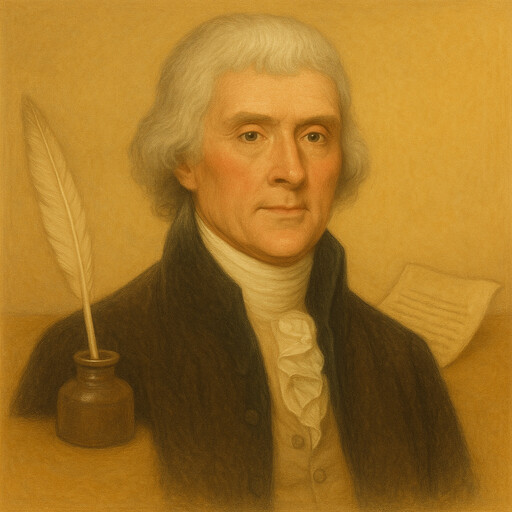
Thomas Jefferson
Author and third U.S. president
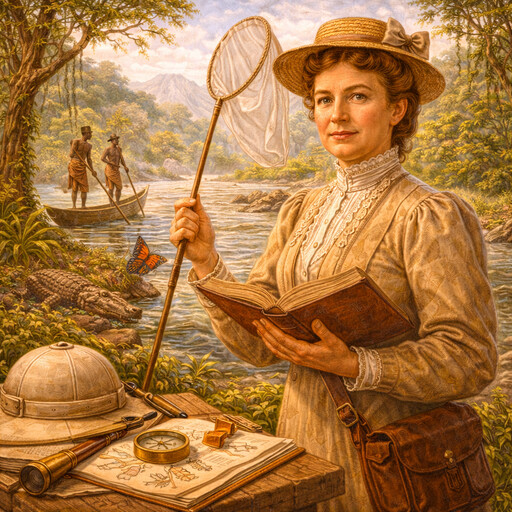
Mary Kingsley
British traveler and writer in West Africa
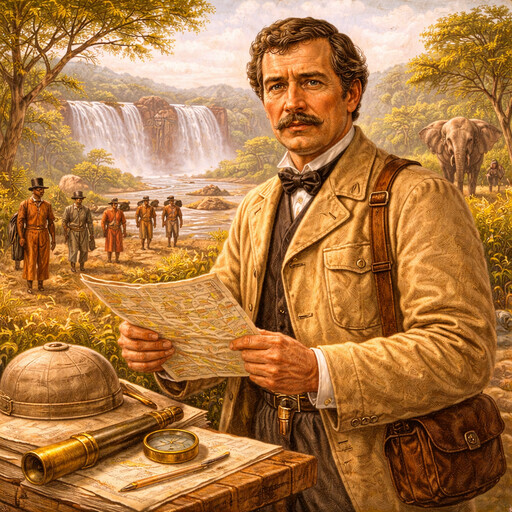
David Livingstone
Scottish explorer of Africa
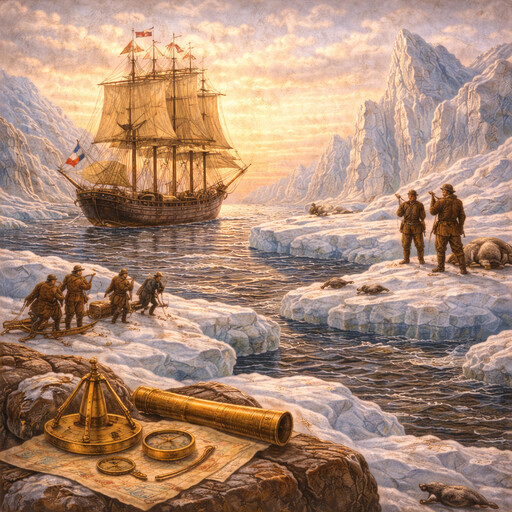
Northwest Passage
A sea route through Arctic waters
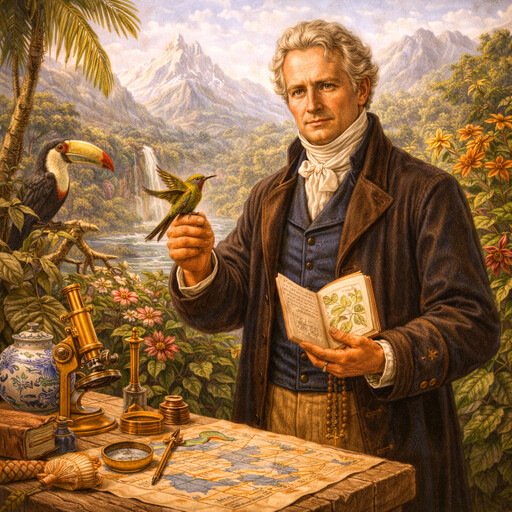
Alexander von Humboldt
Explorer of nature and the natural world
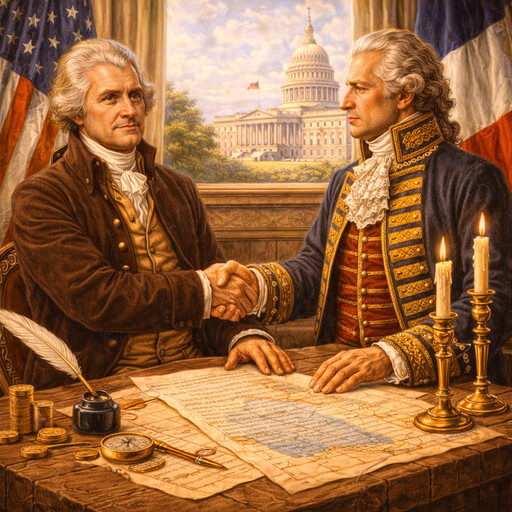
Louisiana Purchase
A land deal that doubled the United States

Lewis and Clark Expedition
Exploring the land west of the Mississippi
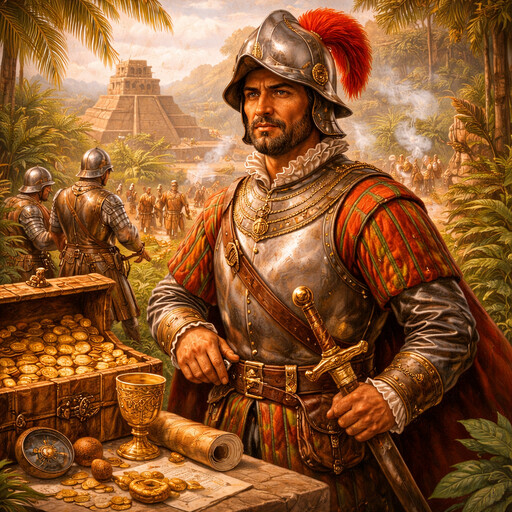
Conquistador
Spanish explorers and soldiers of empire