Spain spans the Iberian Peninsula from the Pyrenees to the Atlantic and Mediterranean, with plateaus such as the Meseta, river valleys like the Ebro and Guadalquivir, and volcanic archipelagos in the Canary Islands. Coastal plains host citrus groves and olive orchards, while interior mountains shelter ancient forests and wildlife reserves.
Spain is a parliamentary monarchy headed by a constitutional king and governed by a prime minister and Cortes Generales. Seventeen autonomous communities and two autonomous cities manage education, healthcare, and infrastructure through statutes of autonomy that respect regional languages and traditions. Municipal councils oversee urban planning, heritage conservation, and local services.
History weaves together Iberian tribes, Roman provinces, Islamic Al-Andalus, and Christian kingdoms that gradually completed the Reconquista. Spanish sailors later crossed oceans on galleons, establishing global trade routes and exchanges of crops, ideas, and cultures. The 20th century brought a republic, civil war, dictatorship, and a peaceful transition to democracy that produced the 1978 constitution.
Spain's economy mixes industry, agriculture, renewable energy, and tourism, with regions specializing in automotive production, shipyards, ceramics, and high-speed rail technology. Viticulture and cuisine highlight tapas, seafood, and regional recipes paired with olive oil and saffron. Canary and Balearic Islands support astronomy, space tracking, and marine research alongside beach tourism.
Cultural life features cathedrals, palaces, and arts from Pablo Picasso to contemporary flamenco troupes. Festivals such as Las Fallas and La Feria de Abril combine music, costumes, and equestrian traditions, while sports fans follow football clubs across La Liga. Spain contributes troops and diplomats to the European Union, NATO, and Ibero-American summits that link Spanish-speaking nations.
Spain
Level
readlittle.com
Iberian kingdom of coasts and cultures
What We Can Learn
- Spain's geography spans mountains, plateaus, rivers, and island archipelagos.
- A parliamentary monarchy and autonomous communities share governance.
- Layers of Iberian, Islamic, and Christian history shape language and culture.
- Industries, renewable energy, cuisine, and tourism drive the economy.
Related Reads
No image
Monarchy
Government ruled by a royal family

Johann Gottfried Herder
German thinker of culture and language
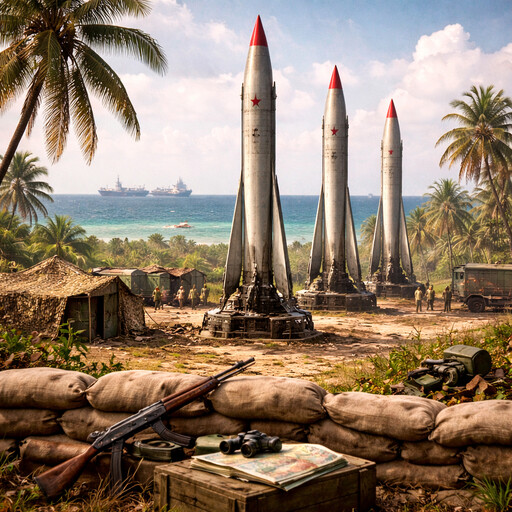
Cuban Missile Crisis
Cold War nuclear standoff in 1962
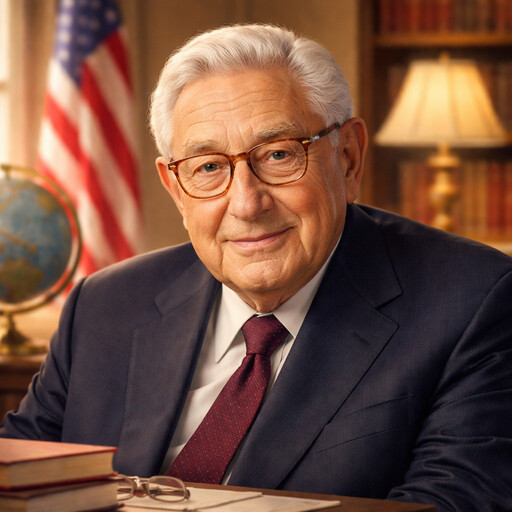
Henry Kissinger
American diplomat and foreign policy leader
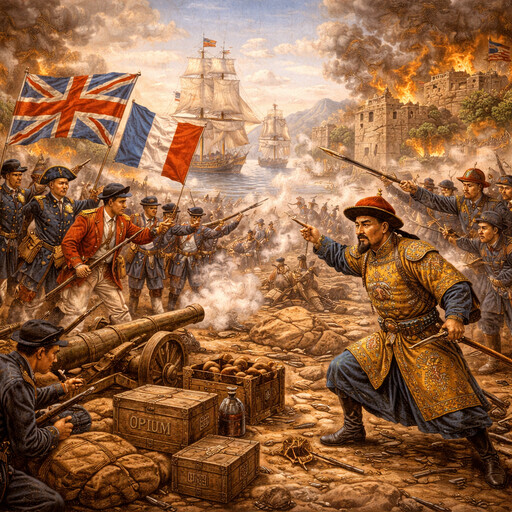
Second Opium War
Renewed conflict between China and Western powers
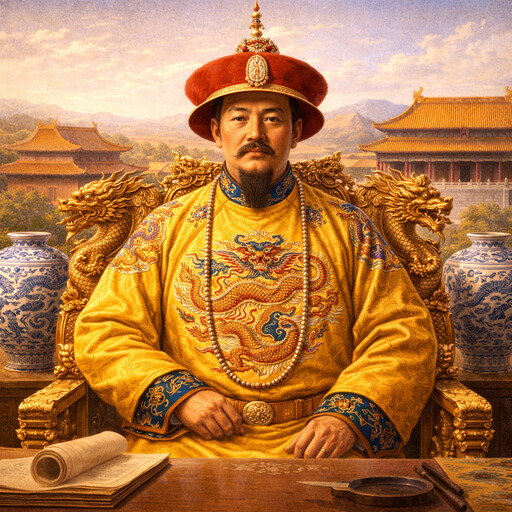
Ming dynasty
Chinese dynasty from 1368 to 1644
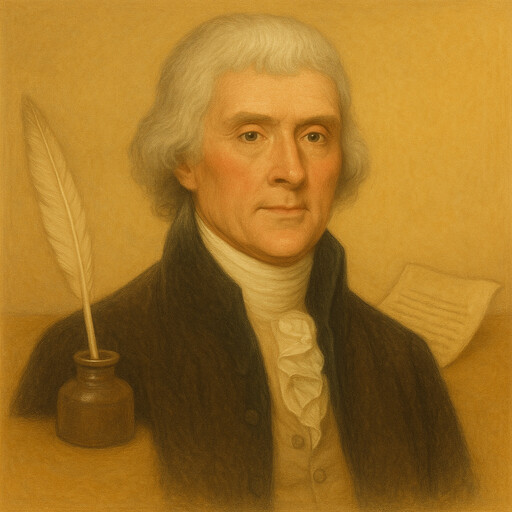
Thomas Jefferson
Author and third U.S. president
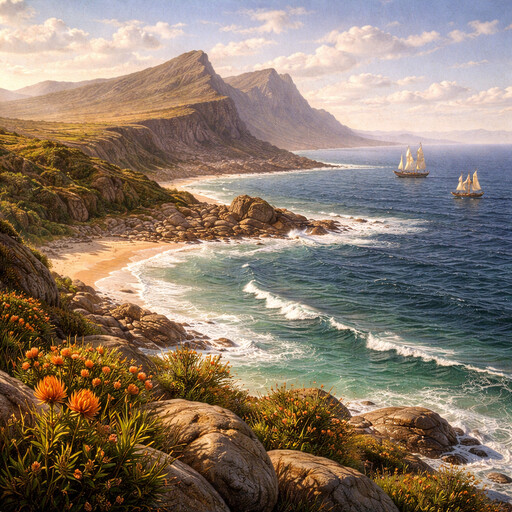
Cape of Good Hope
Southern headland of Africa
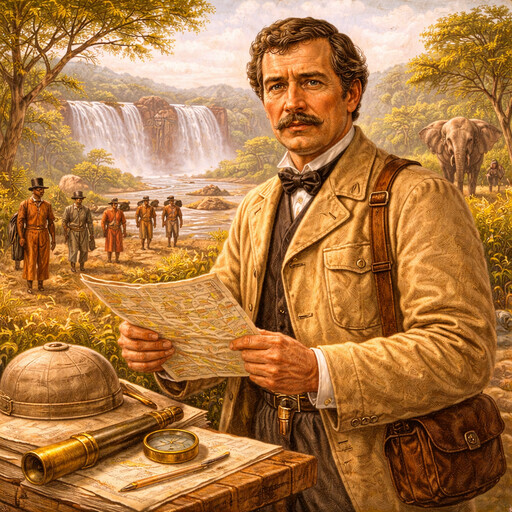
David Livingstone
Scottish explorer of Africa
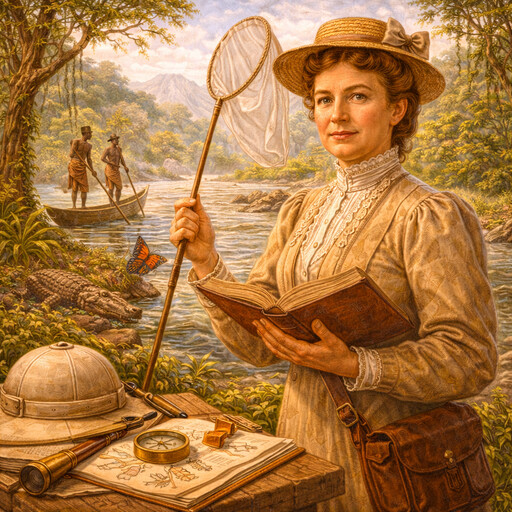
Mary Kingsley
British traveler and writer in West Africa
Louisiana Purchase
A land deal that doubled the United States

Lewis and Clark Expedition
Exploring the land west of the Mississippi