A museum is a building or place where objects are collected, stored, and displayed. These objects are chosen because they are important to history, art, science, or culture. People visit museums to see these objects arranged in rooms or galleries. A gallery is a space used to show items. Museums are found in many countries and cities around the world.
Museums contain many types of objects. Some museums show paintings, drawings, and sculptures. These are often called art museums. Other museums focus on history and show tools, clothing, coins, or documents from the past. Science museums may display fossils, machines, or models of the Earth and space. A fossil is the preserved remains of a plant or animal from long ago.
Objects in a museum are part of a collection. A collection is a group of items kept together. Museum workers carefully choose what to collect. They also record information about each object, such as its age, material, and place of origin. This information helps explain what the object is and where it comes from.
Museums protect their objects so they do not break or decay. Decay means slow damage over time. Many objects are kept in special rooms with controlled light, temperature, and air. This helps preserve items made of paper, wood, cloth, or metal. Only some objects are on display at one time. Others are stored safely.
Most museums are open to the public. Some are free, while others charge an entrance fee. A fee is money paid to enter a place. Museums are often supported by governments, universities, or private groups. Some museums are very large, with many floors and thousands of objects. Others are small and focus on one topic or local area.
The word museum comes from an ancient Greek word meaning a place for study. Over time, museums became places where objects were kept and shown. Today, museums exist in many forms. They may be indoors or outdoors, such as open-air museums that show old buildings. All museums organize objects so visitors can view them in a clear and ordered way.
Museum
Level
readlittle.com
Places that collect and display objects
What We Can Learn
- A museum collects and displays objects
- Museums show art, history, science, and culture
- Objects are protected and carefully stored
- Museums can be large or small
Related Reads
No image
Monarchy
Government ruled by a royal family

Johann Gottfried Herder
German thinker of culture and language

Dutch Golden Age
Period of Dutch global growth

Antarctic Treaty System
Agreements governing Antarctica
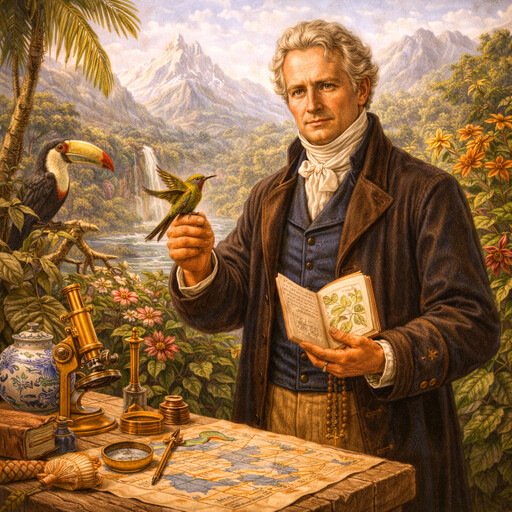
Alexander von Humboldt
Explorer of nature and the natural world

Conquistador
Spanish explorers and soldiers of empire
Botany
The study of plants and plant life
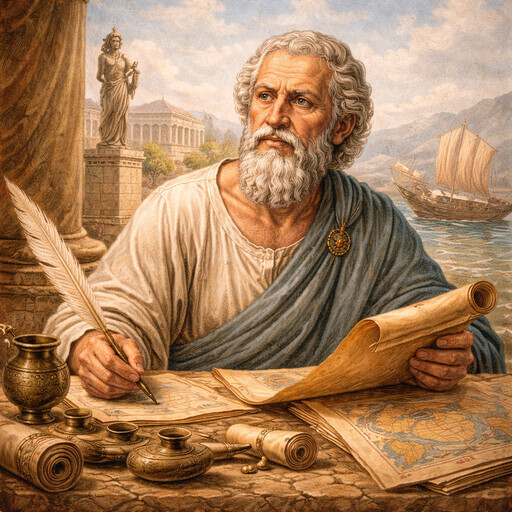
Herodotus
Ancient Greek writer of early history

Balkans
Southeastern European region
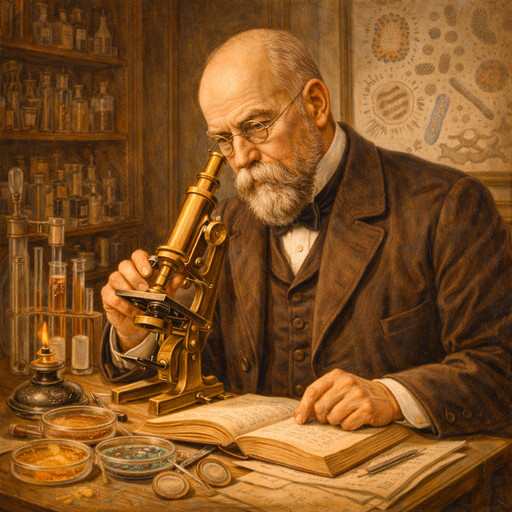
Robert Koch
German doctor who studied disease-causing bacteria
Louis Pasteur
French scientist who studied germs
Napoleon
French general and emperor