A citizen is a person who belongs to a country and is recognized by its government as a legal member. Citizens have rights, such as the right to live in their country, to work, and to be protected by its laws. They also have duties, such as obeying laws, paying taxes, and respecting the rights of others. Citizenship is one of the main ways people are connected to a nation.
Citizenship can be gained in different ways. Most people become citizens by birth, meaning they are born in a country or to parents who are citizens of that country. Others can become citizens through naturalization, a legal process where a person who was born in another country applies and is approved to become a citizen. Some countries also allow dual citizenship, where a person can be a citizen of two countries at the same time.
Being a citizen usually means having both rights and responsibilities. Rights are freedoms or protections that a citizen has under the law. Examples include the right to vote, to go to school, and to express opinions freely. Responsibilities are duties that citizens are expected to follow, such as obeying laws, helping their community, and participating in public life. In some countries, citizens may also have the duty to serve on a jury or in the military.
Citizenship is closely related to the idea of government and society. Governments make and enforce laws that protect citizens and keep order. In return, citizens take part in civic life by voting, following the law, and working for the common good. When people work together in this way, they help their communities and countries function smoothly.
There are also people who live in a country but are not citizens. These may include residents, visitors, or immigrants who have not yet become citizens. Such people may have some rights, but not all the rights that citizens have. For example, they may live and work in the country but might not be able to vote in elections.
Citizenship is an important part of identity. It tells where a person legally belongs and what nation protects and governs them. Citizens share a connection through laws, symbols, and values of their country, such as its flag, national anthem, or constitution. While the rules for citizenship differ among nations, the idea of belonging to a community under common laws is shared around the world.
Citizen
Level
readlittle.com
A member of a country or nation
What We Can Learn
- A citizen is a legal member of a country.
- Citizenship can come by birth, naturalization, or dual membership.
- Citizens have rights and responsibilities under the law.
- Citizenship connects people to their nation and community.
Related Reads
No image
Monarchy
Government ruled by a royal family
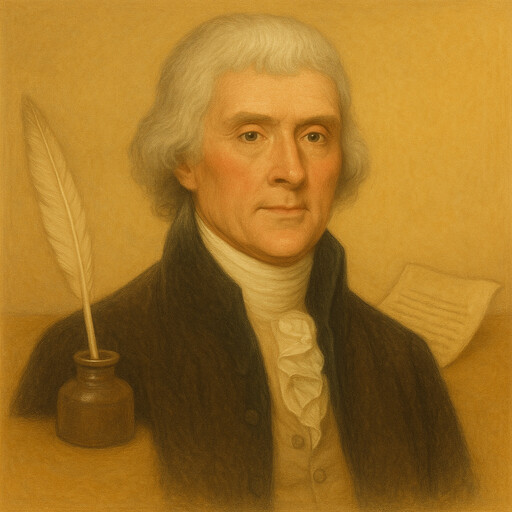
Thomas Jefferson
Author and third U.S. president

Totalitarianism
A system of complete state control

Han dynasty
Long-lasting dynasty of ancient China

Nationalism
Idea linking people to a shared nation

Qin dynasty
First imperial dynasty of China
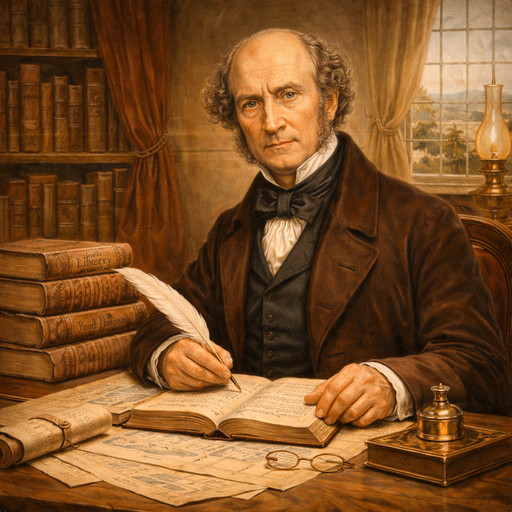
John Stuart Mill
British thinker on society and freedom
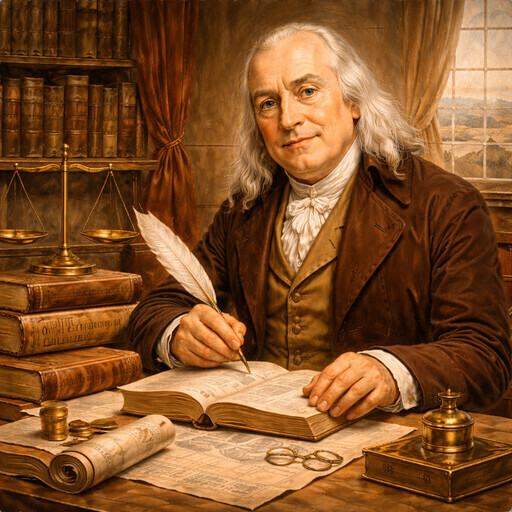
Jeremy Bentham
British thinker on law and society
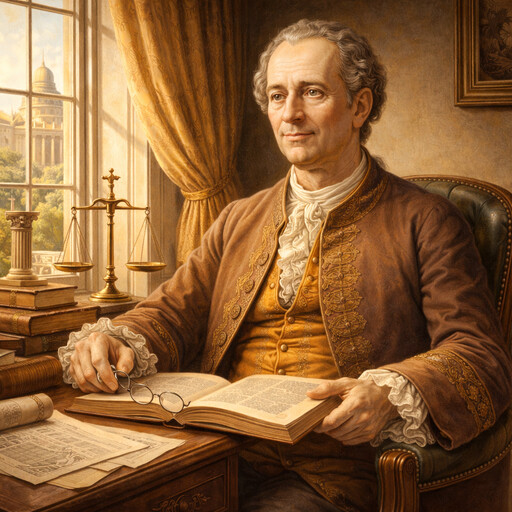
Montesquieu
French thinker on laws and government

Jean-Jacques Rousseau
Enlightenment writer on society and government

Thomas Cromwell
Chief minister to King Henry VIII

John Locke
Thinker who wrote about mind and government